News
Geopolitics · Global Trade · Shipping · Supply Chain
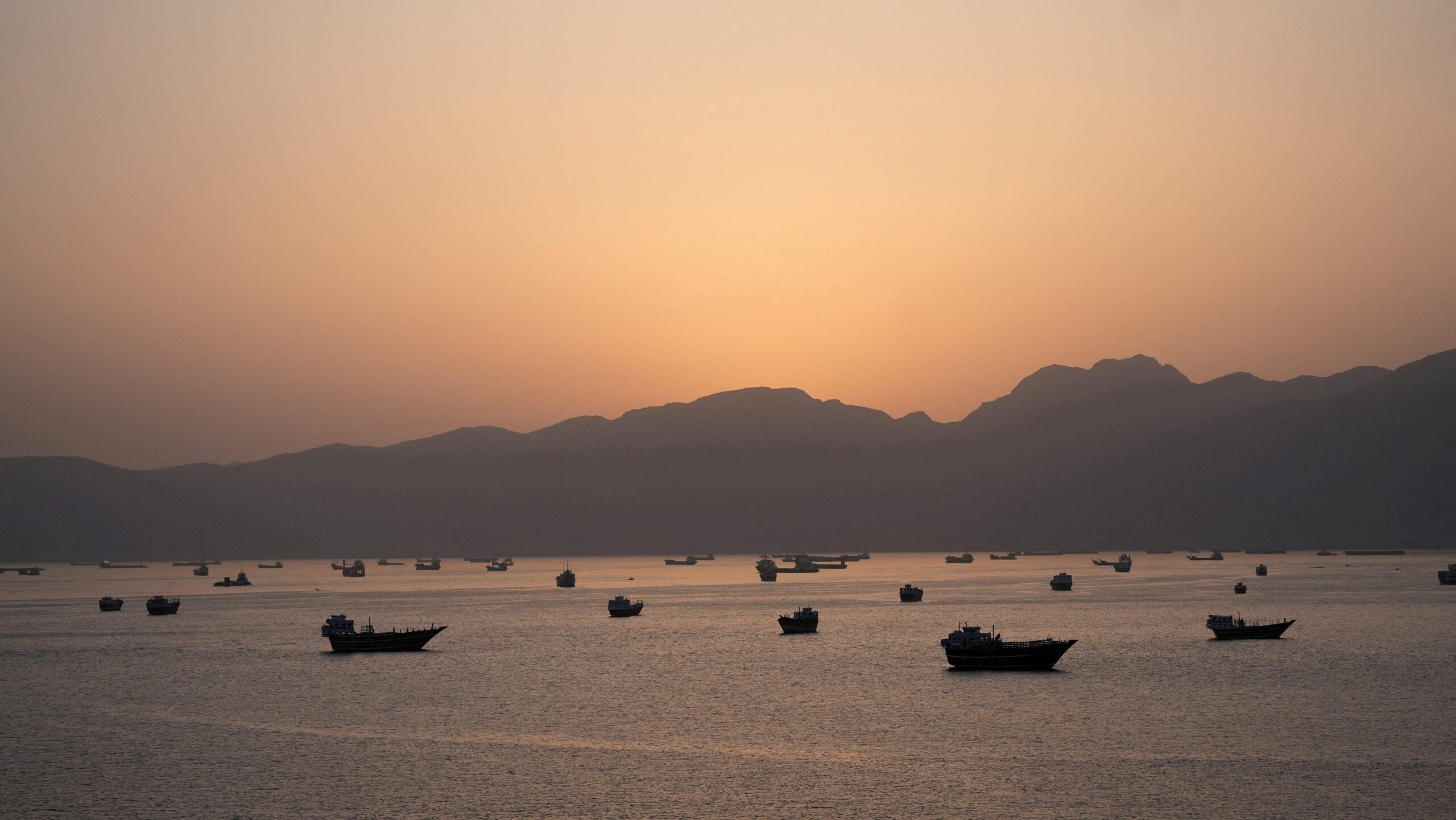
US-Israeli strikes on Iran, renewed Houthi threats in the Red Sea, and the ongoing Russia-Ukraine conflict have placed the Strait of Hormuz and Red Sea corridors under simultaneous, severe pressure, directly impacting 80% of international trade by volume and elevating global shipping risks.
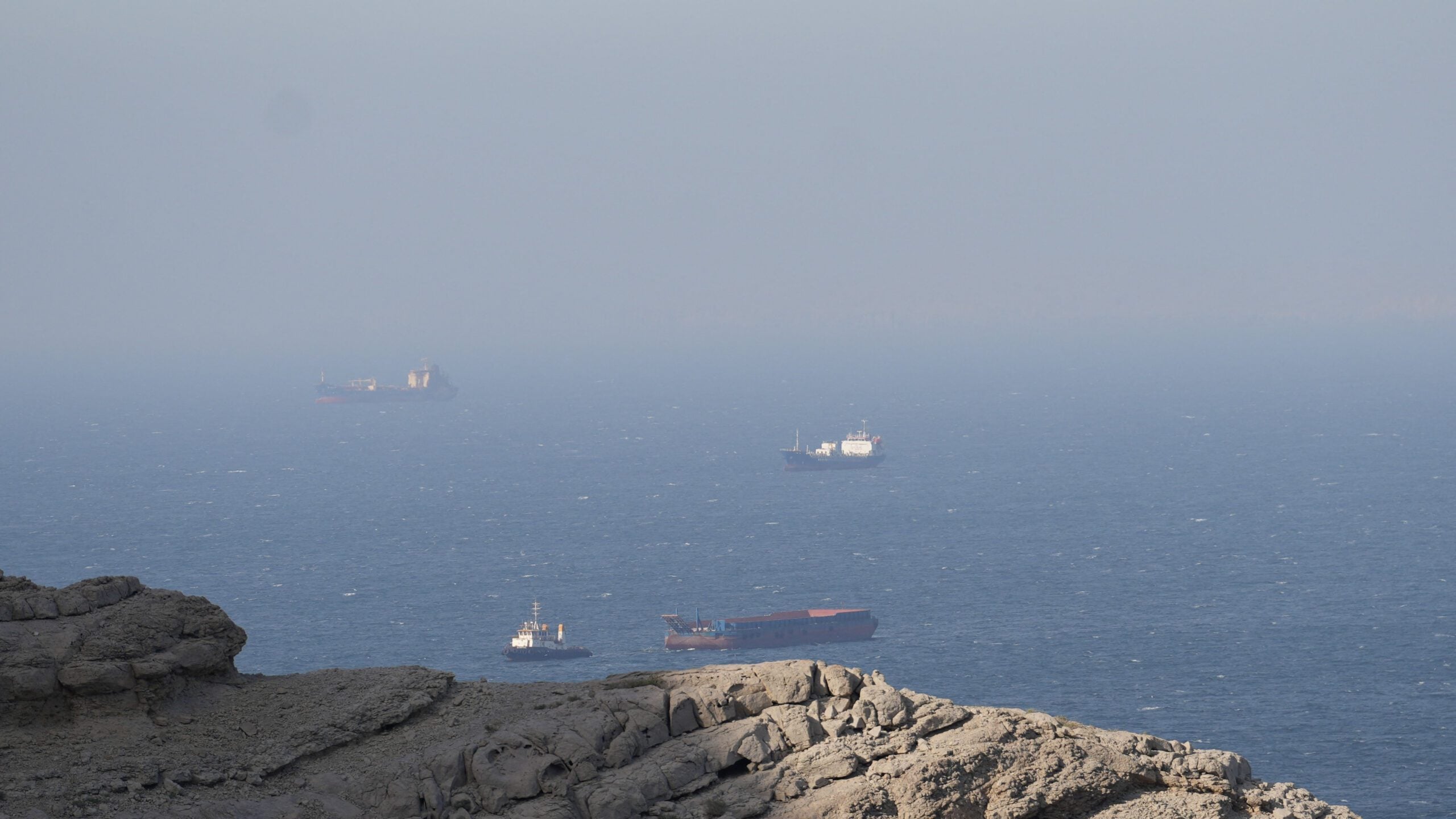
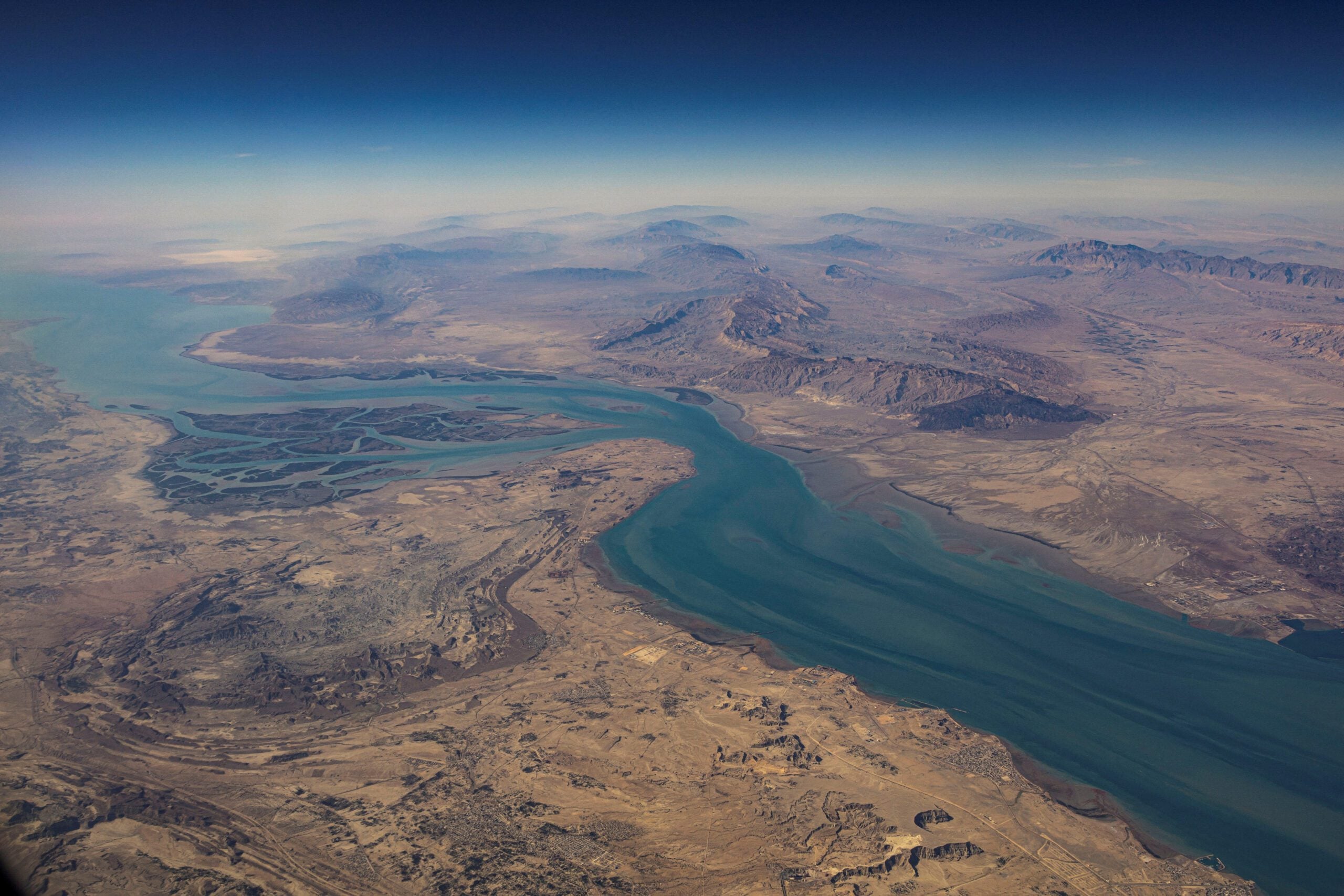
The Strait of Hormuz, critical for a fifth of global oil consumption and significant LNG exports, faces immediate operational concerns following Iranian Revolutionary Guard warnings and reported electronic interference. This prompted UK Maritime Trade Operations and Greece to issue advisories, leading to vessel stand-offs and course alterations.
Simultaneously, renewed Houthi threats in the Red Sea force major container lines to divert around the Cape of Good Hope, adding 10 to 14 days to Asia-Europe voyages, increasing costs, fuel consumption, and tightening effective fleet capacity. Instability in Pakistan's coastal flank further complicates regional logistics and insurance assessments.
The cumulative pressure across these chokepoints compresses flexibility, aggregates insurance exposure, and drives up costs for energy and container markets, with war-risk premiums reaching six-figure sums per voyage.