News
Energy Security · Geopolitics · Global Economy · Iran Conflict
The US-Israel war on Iran, initiated by President Trump with a decapitation strike against Supreme Leader Khamenei, aimed for regime change but instead produced significant unintended consequences.
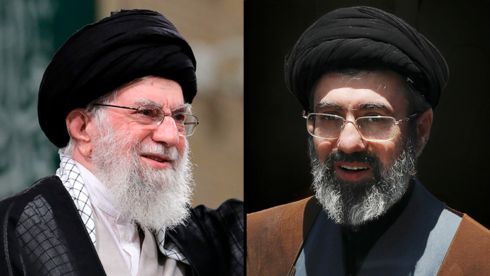
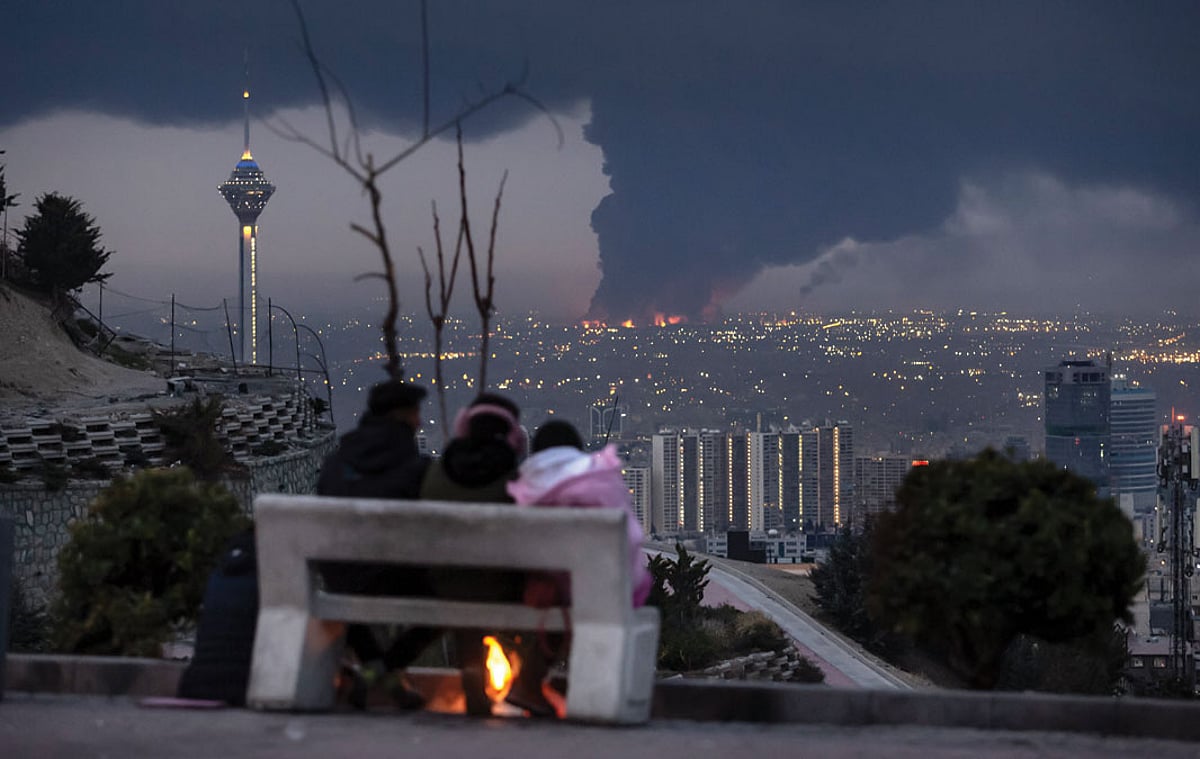
The "decapitate and delegate" strategy failed, leading to regime hardening and the rise of a more uncompromising leadership under Mojtaba Khamenei, fueled by a narrative of martyrdom. The conflict quickly expanded, disrupting energy production and shipping in the Persian Gulf, causing global oil and LNG prices to surge and inflicting inflationary shocks, particularly on the Global South.
Domestically, the war faced broad opposition in the US, challenging Trump's "endless wars" promise and raising legal and constitutional concerns. Geopolitically, the war underscored the fragility of the global energy system, the enduring importance of maritime chokepoints like the Strait of Hormuz, and the erosion of international norms through actions like targeted assassinations. For India, the crisis exposed structural weaknesses in energy security, highlighting the need for unified governance, diversification of transit routes, strategic LPG reserves, and refinery flexibility.
The conflict also demonstrated how low-cost drone and missile technologies can challenge advanced militaries and how regional wars instantly generate global economic repercussions, ultimately accelerating nuclear proliferation incentives rather than curbing them.