News
Geopolitical Risk · Iran Nuclear Deal · Oil Markets · Sanctions Relief
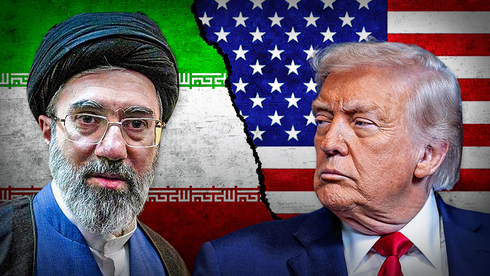
US President Donald Trump and Iran are set to digitally sign a framework agreement on Sunday, establishing a 60-day ceasefire and negotiations for a final accord on Iran's nuclear program, sanctions relief, and the reopening of the Strait of Hormuz, despite significant unresolved issues.
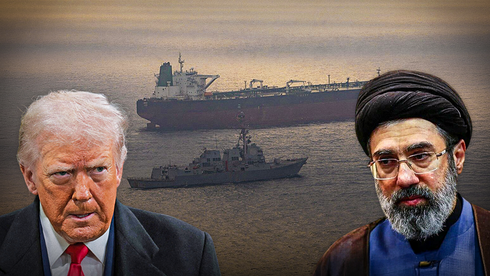
This brief memorandum of understanding extends a ceasefire and aims to suspend Iranian threats in the Strait of Hormuz, allowing shipping to return to pre-war levels, in exchange for the US lifting its blockade on Iranian ports. However, major disagreements persist regarding Iran's nuclear program, with the US seeking dismantling and Iran postponing substantive discussions, and the fate of Iran's 10.9 metric tons of uranium enriched between 2% and 60% remains unclear.
The deal does not address Iran's ballistic missile program, and while Trump insists no Iranian funds will be released, Reuters reported the United Arab Emirates has already provided Iran access to $3 billion of $10 billion in released assets, though Abu Dhabi denied this. Israel expresses concern that the deal fails to eliminate nuclear and missile threats and could restrict its actions against Hezbollah in Lebanon.
Technical talks are expected to follow the signing, with Trump aiming for a quick, comprehensive agreement.