News
Geopolitics · Iran Deal · Middle East Security · Oil Prices
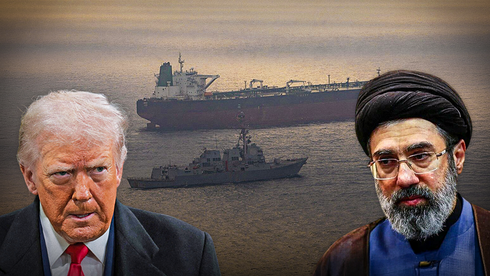
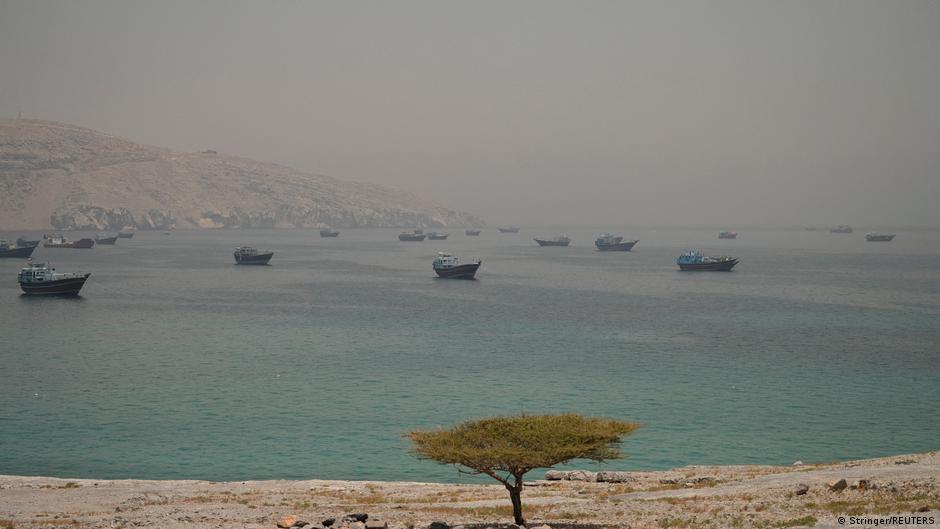
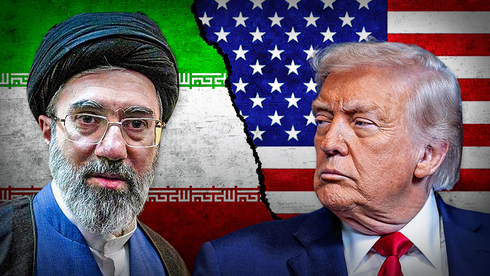
US officials confirm an emerging deal framework with Iran, involving the reopening of the Strait of Hormuz and 60 days of nuclear talks, which leads to Iran relinquishing highly enriched uranium and receiving sanctions relief, despite strong concerns from Israel's security establishment.
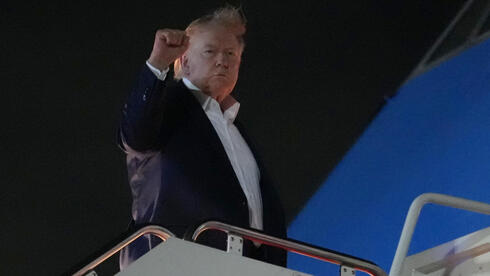
President Donald Trump stated on Truth Social that negotiations proceed constructively, but he instructed representatives not to rush, ensuring the US blockade remains in full effect until a certified agreement. The framework requires Iran to remove its enriched uranium stockpile and freeze future enrichment, with sanctions relief and unfreezing of Iranian assets contingent on reopening Hormuz and meeting nuclear commitments.
This allows Iran to sell oil more freely, injecting billions of dollars into its economy. Israel's security officials warn the agreement amounts to buying quiet at the price of a long-term threat, strengthening Iran and its proxy groups like Hezbollah.
US Secretary of State Marco Rubio confirmed significant progress, prioritizing Hormuz reopening, followed by nuclear negotiations. JPMorgan analysts estimate oil will average $97 a barrel for the rest of the year if the strait reopens by early June, though prices will not immediately return to pre-war levels.
Democrats express unease over the deal's resemblance to the pre-war status quo, while Republicans largely back Trump's approach.