News

Diesel Prices · Energy Costs · Inflation · Supply Chain
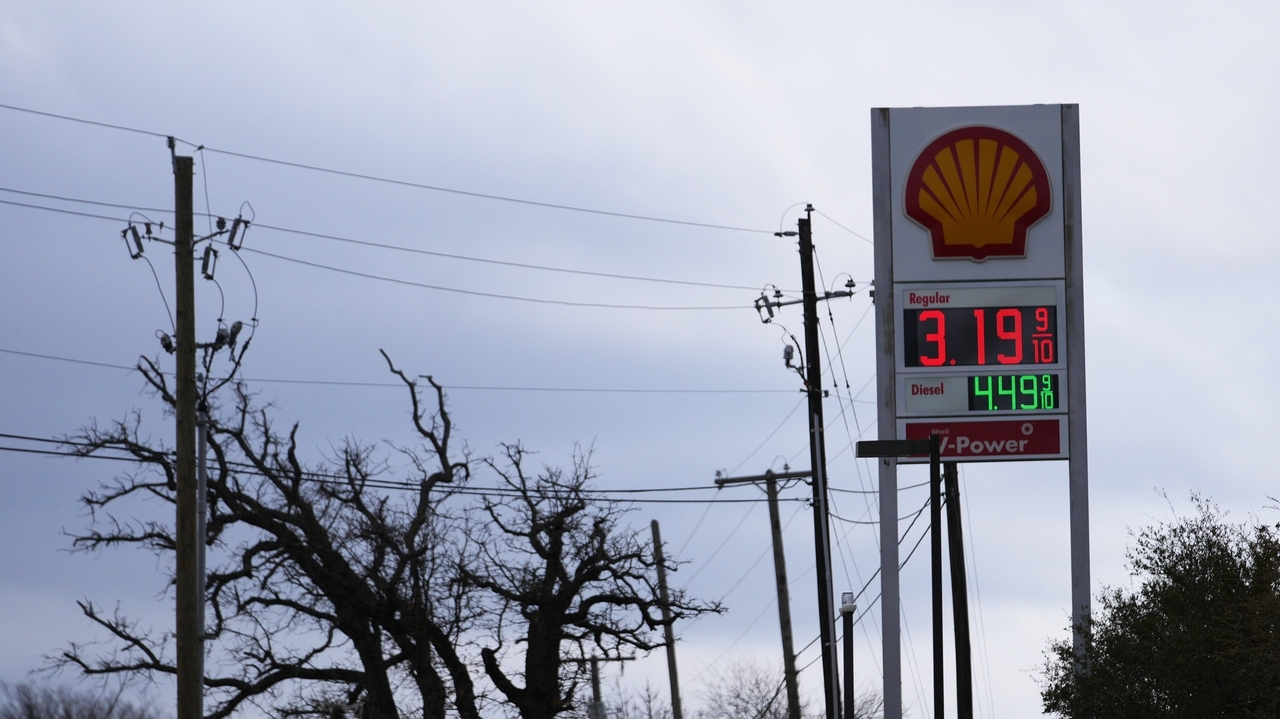
Diesel prices have surged dramatically, climbing 27% to $4.78 a gallon since February 28th, significantly outpacing gasoline price increases.
This spike is primarily attributed to the war in Iran disrupting critical oil supplies, including the closure of the Strait of Hormuz, which handles 20% of global oil. While crude benchmarks like WTI and Brent initially topped $100, they have since settled around $83-$84.
The impact of higher diesel costs is far-reaching due to its integral role in the transportation sector. Truckers, shipping companies, and farmers face increased operational expenses, which are then passed on to retailers and, ultimately, consumers.
This ripple effect is expected to drive up prices for nearly all goods, from food and clothing to electronics and home improvement items. Experts warn this could suppress economic growth, potentially leading to stagflation—a toxic mix of reheating inflation and slowing growth—and complicate the Federal Reserve's ability to cut interest rates.
The inelastic demand for diesel, unlike gasoline, means businesses have limited options to reduce consumption, exacerbating the economic pain.