News

Geopolitics · Inflation · Monetary Policy · Oil Prices
Oil prices surged on Tuesday, with international benchmark Brent crude reaching $103.89 per barrel (+3.6%) and US benchmark West Texas Intermediate (WTI) rising to $96.91 per barrel (+3.2%).
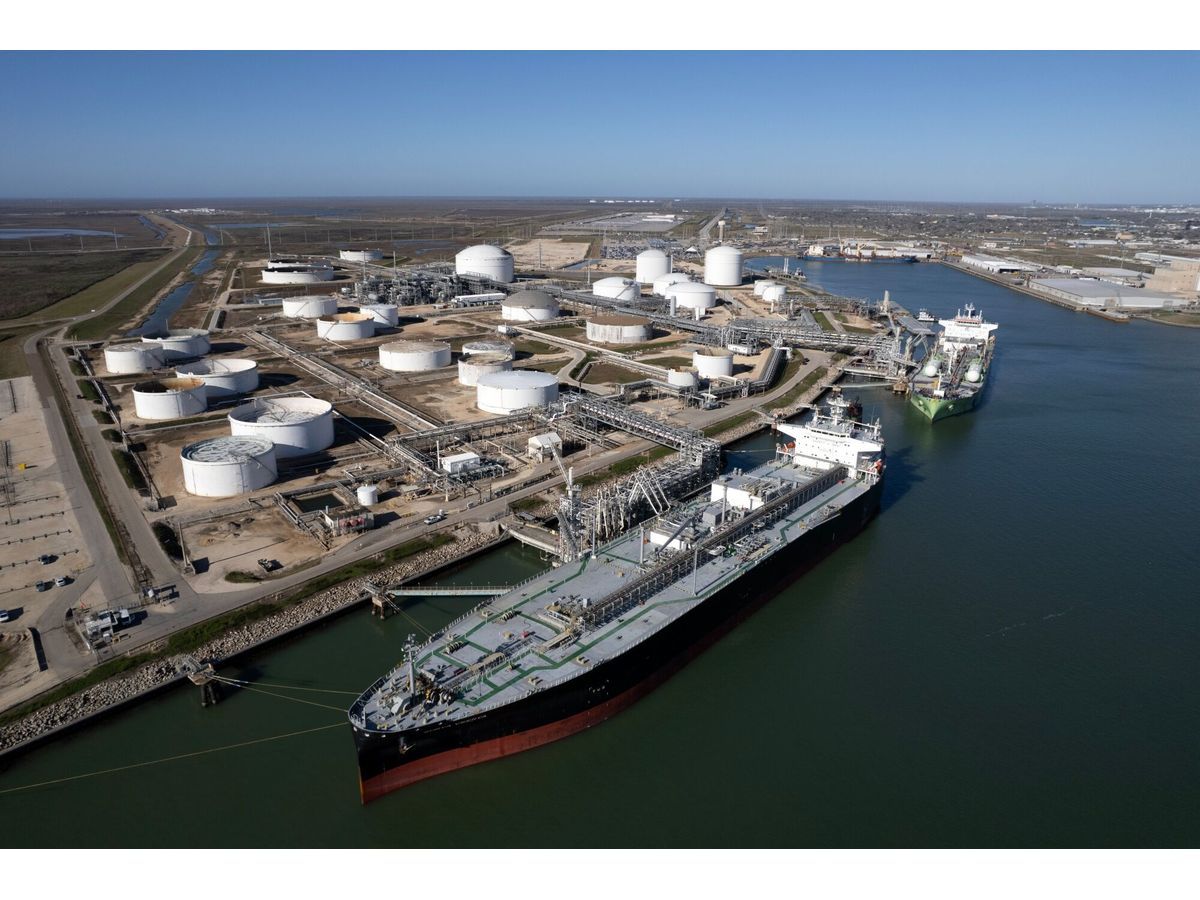
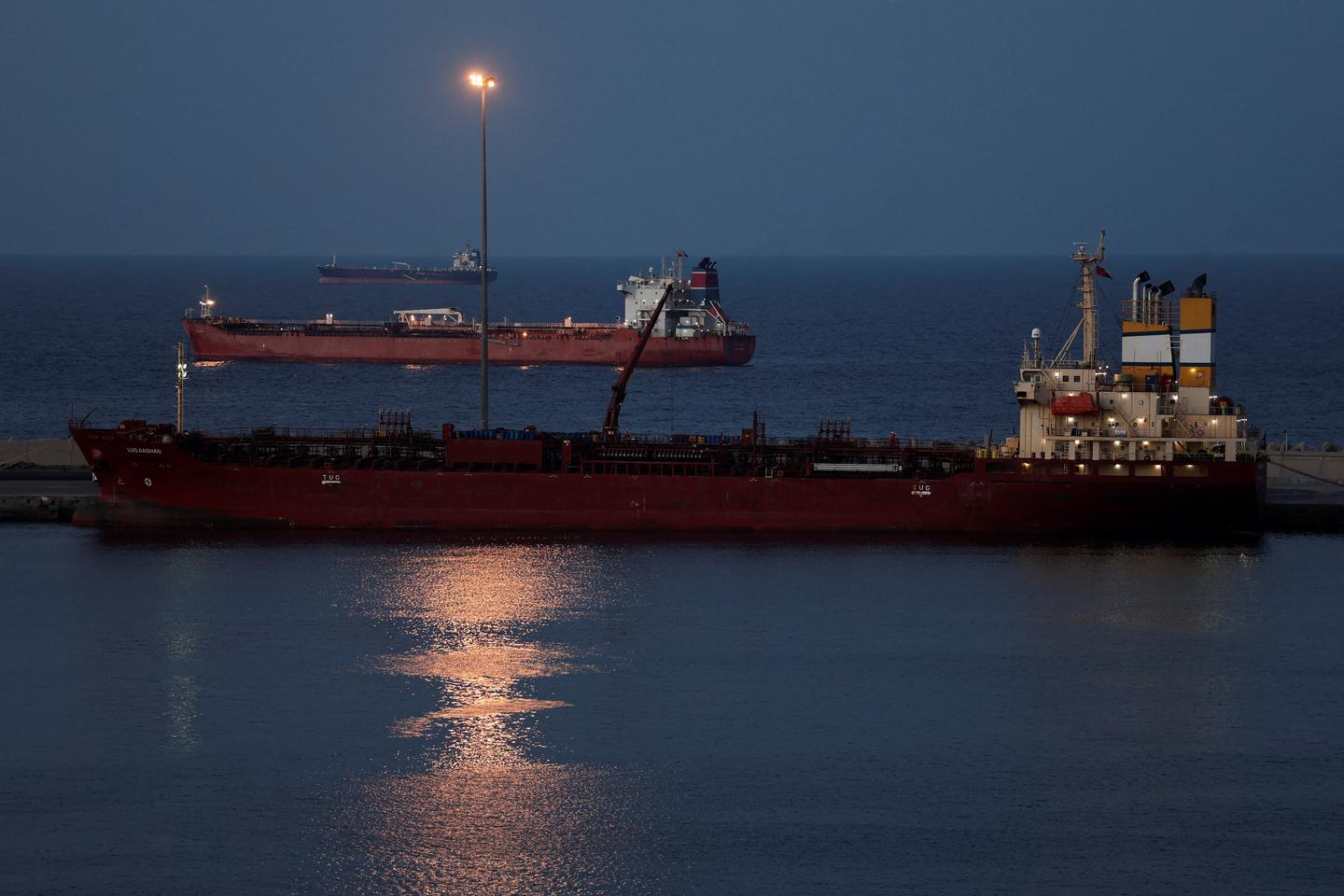
This rebound, following a 5% decline in the previous session, is primarily attributed to escalating geopolitical tensions between the US, Israel, and Iran. Concerns over potential supply disruptions in the Middle East, particularly regarding the Strait of Hormuz, which accounts for approximately 20% of global oil supply, are driving the market.
Despite reports of some vessels passing through the strait, its continued restricted transit signals persistent supply-side risks. Iran's warnings of targeting US-affiliated industries and its selective allowance of vessel passage, coupled with some US allies declining to deploy ships to reopen the waterway, exacerbate uncertainty.
The upward pressure on energy prices is intensifying inflation concerns, leading investors to anticipate that global central banks, including the US Federal Reserve, European Central Bank, and Bank of Japan, may maintain tighter monetary policies.