News
Auto Sales · Electric Vehicles · Inventory · Pricing
EV sales declined in Q1 2024 for the first time since 2020, prompting automakers like Ford to cut prices and offer incentives as inventory levels surged to 114 days' supply, significantly above the normal 60-70 days.
Electric vehicles constituted 7.3% of new U.S. car sales in Q1, a decrease from 8.1% in the previous quarter, according to Kelley Blue Book data. Karl Brauer, executive analyst at iSeeCars, states that electric cars must compete with gasoline models on price to achieve higher sales volumes.
Jessica Caldwell, head of insights at Edmunds, highlights a significant disparity between consumer expectations for EV pricing, vehicle body type, and range, and the actual market offerings; nearly half of surveyed "EV intenders" desire to pay less than $40,000, yet only four models meet this price point. The average new EV price was $55,167 in Q1, marking a 3.8% reduction from the prior quarter and a 9% decrease year-over-year, though still exceeding the average for all vehicles at $47,200 in February.
CoPilot's data indicates EV prices fell by an average of $302 in March, with specific models like the Hyundai Ioniq 5 and Volkswagen ID.4 experiencing drops of $2,119 and $1,825, respectively. Despite some production cuts, dealers maintained a substantial 114 days’ supply of EVs in mid-March, far above the industry standard of 60-70 days, according to Cox Automotive.
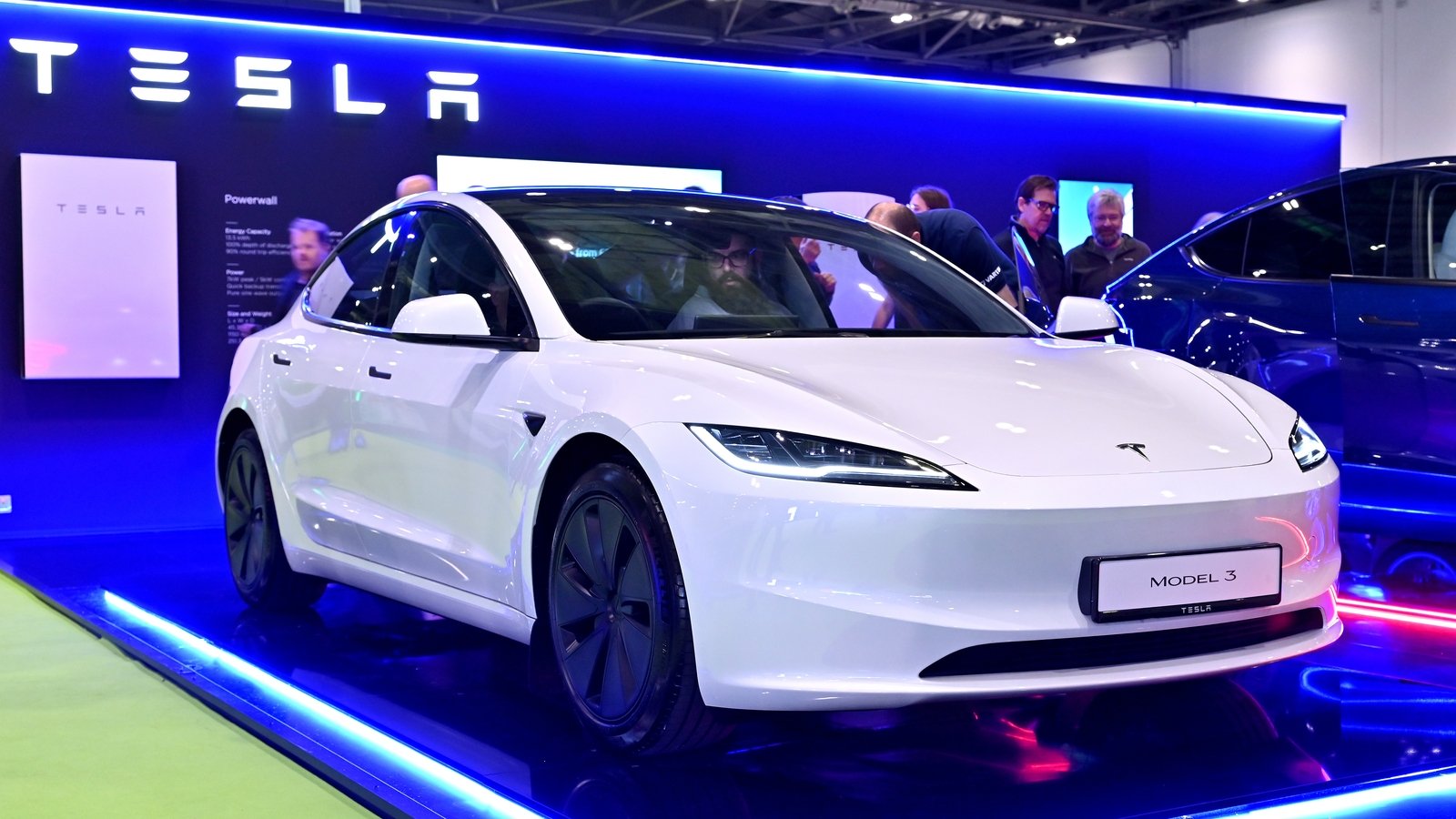
Bank of America analysis suggests Tesla, with its direct-to-consumer model, faces unique inventory risks and is compelled to reduce production in 2024 due to the slow sales pace.