
Araverus
HomeNewsMarkets
News
HeadlinesThreads
© 2026 Araverus
AboutContactPrivacyTerms
News/Economy
Top Story

Mideast War Ignites Inflation, Central Banks Eye Hikes

Part of Fed's Rate Outlook Shifts Amid Global Risks

Araverus Team|Thursday, March 12, 2026 at 7:33 AM

Mideast War Ignites Inflation, Central Banks Eye Hikes

Araverus Team

Mar 12, 2026 · 7:33 AM

Bonds · Geopolitics · Inflation · Interest Rates

BondsGeopoliticsInflationInterest Rates

Key Takeaway

Investors must recalibrate portfolios for persistent geopolitical risk, which is now a primary driver of inflation and monetary policy, potentially leading to higher interest rates and continued volatility in global bond markets, with China offering a notable exception.

The escalating US-Israeli conflict with Iran is reigniting global inflation fears, triggering a significant sell-off in sovereign debt markets worldwide.

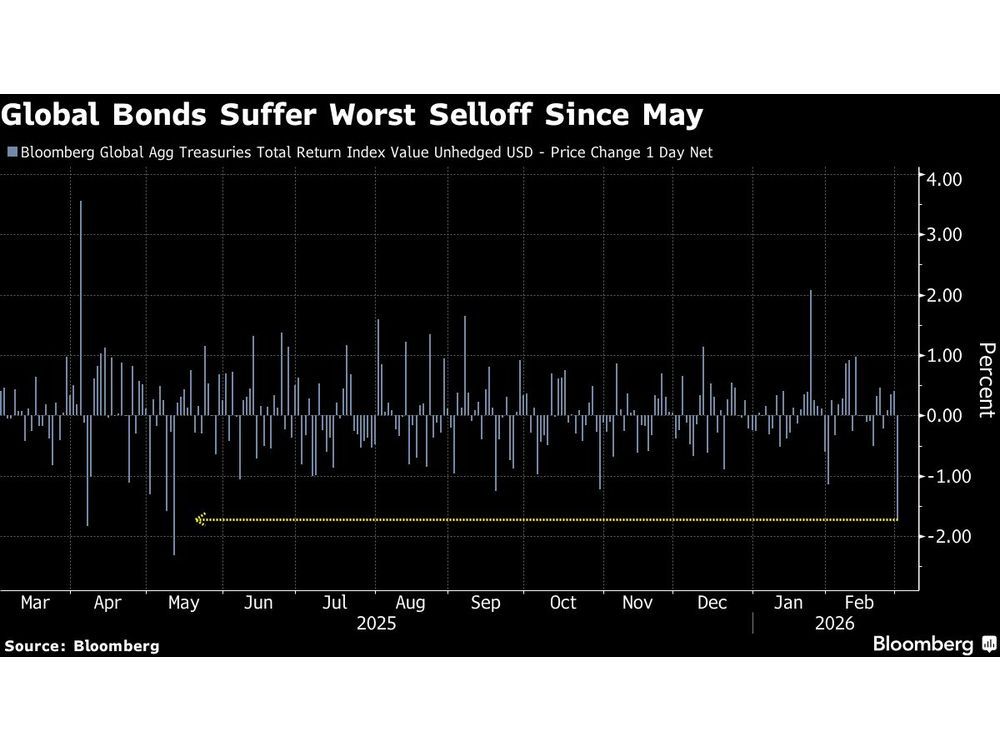
Bonds, which had seen a strong start to the year, are losing their haven appeal as traders anticipate prolonged Middle East instability will drive up oil prices and supercharge inflation. This shift is forcing central banks to reassess monetary policy, with previous expectations for easing now appearing less likely.

European Central Bank Chief Economist Philip Lane warned of a "substantial spike" in inflation and output drop, leading traders to price in a near 50% chance of an ECB hike this year, a stark reversal from earlier cut expectations. Similarly, Australia's central bank chief, Michele Bullock, indicated a potential rate increase this month, causing Australian yields to jump 14 basis points.

US 10-year yields also rose, contributing to a 0.8% slide in a Bloomberg global bond gauge. Experts like Mohamed El-Erian note a "stagflationary wind," while Amundi's Monica Defend highlights geopolitics as a returning macro driver.

China remains an outlier, with its bond market stable due to central bank liquidity and easing expectations. The duration and spread of the conflict, particularly its impact on energy prices, remain critical variables for investors.

Thread Timeline: Fed's Rate Outlook Shifts Amid Global Risks

Mar 5, 2026Malaysia's Central Bank Holds Rates Steady at 2.75% Amid Global Risks, Citing Domestic Strength
Mar 9, 2026Global Stocks Dip, Dollar Rises, Oil Rallies
Mar 12, 2026

Mideast War Ignites Inflation, Central Banks Eye Hikes(current)

Mar 12, 2026Strong Dollar, Inflation Weigh on Gold Prices
Mar 12, 2026Market Weakness Prompts Shift to Defensive Consumer Stocks

Read More On

Central Banks Could Tilt Hawkish as Middle East Conflict Fuels Inflation Riskswsj.comS&P Futures Waver as Middle East Conflict Uncertainty Persists, U.S. Inflation Data in Focus - Barchart.combarchart.comRBA weighs inflation risk from Middle East conflict - mpamag.commpamag.comCentral Banks Scramble as War Drives Up Inflation Expectations - Crude Oil Prices Today | OilPrice.comoilprice.comBSP watches Middle East conflict for inflation risks - Inquirer.netbusiness.inquirer.net

Related Articles

Markets★★★Similarity: 77% · 3d ago

Treasury Yields Stall as Oil Eases on Hopes War Could End Soon

Bonds traded sideways as markets navigated contradicting assessments of how long the war in Iran could last.

Economy★Similarity: 76% · 2d ago

Government Bonds Look Vulnerable as Lengthy Period of High Oil Prices Looms

Government-bond yields rose before tentatively stabilizing Thursday as oil prices and no signs of de-escalation in the Middle East worsened the outlook for inflation and economic growth.

Economy★★Similarity: 75% · 9d ago

ECB Could Change Policy Stance If Iran War Drags On, ECB’s De Guindos Says

An extended war in the Middle East could push up inflation expectations and prompt a change in the European Central Bank’s policy stance, its vice president said Thursday.

Economy★Similarity: 75% · 3d ago

Bond Yields Jump as Oil Prices Rise, Middle East War Outlook Uncertain

Government bond yields rose sharply as the U.S.-Israel conflict with Iran showed no signs of de-escalation and oil prices remained elevated.