News

Energy Security · Geopolitics · Oil Storage · Supply Chain
Saudi Aramco is considering expanding its global oil-storage network after the Iran war highlighted the critical role of strategic reserves in maintaining crude supply to customers, as stated by Chairman Yasir Al-Rumayyan at the Future Investment Initiative Priority Summit in Rome.
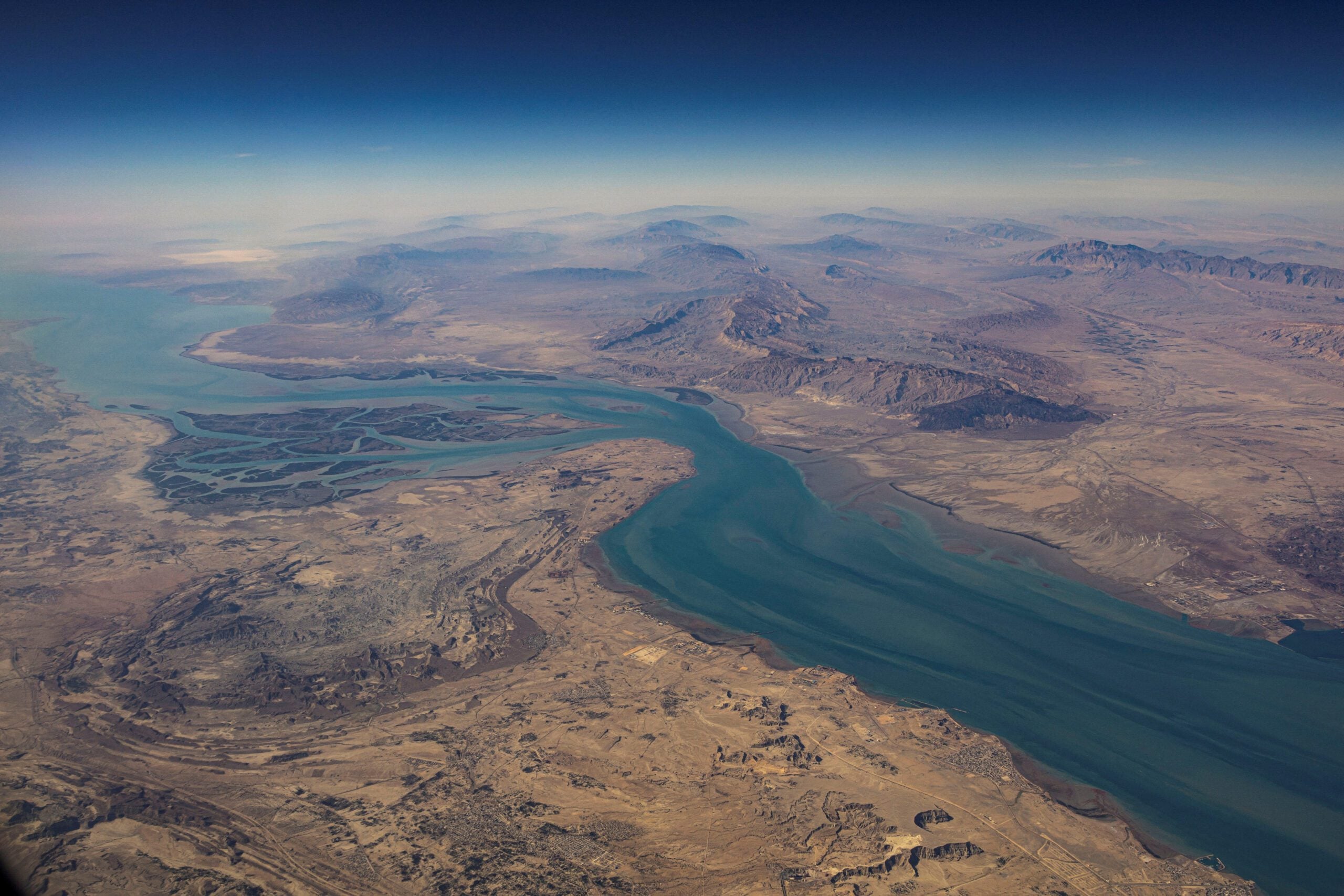
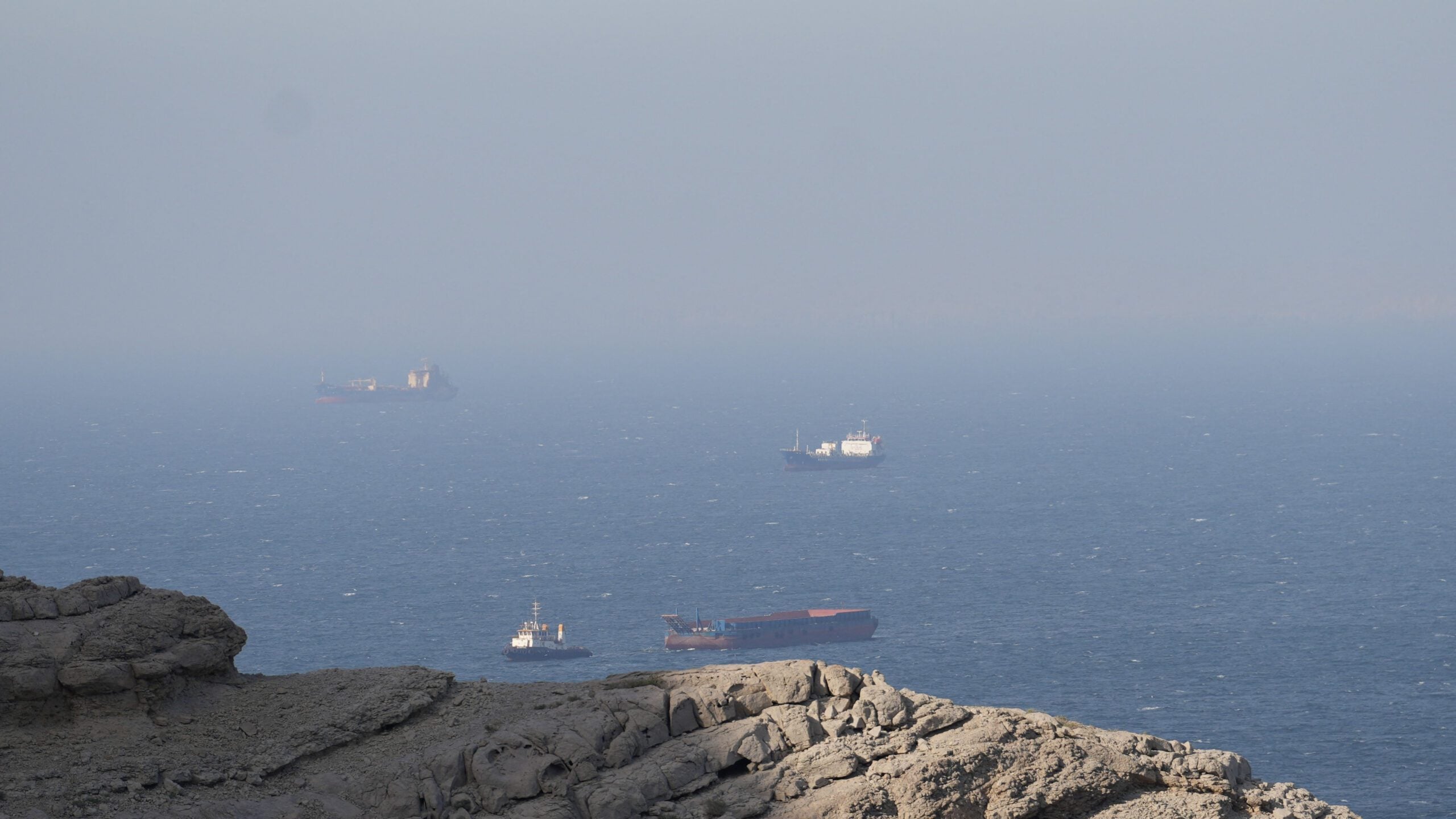
This strategic initiative directly responds to the vulnerabilities exposed during the recent conflict, which saw the near-closure of the vital Strait of Hormuz waterway. During that period, Saudi Arabia effectively leveraged its East-West pipeline network, transporting crude from the Gulf to the Red Sea port of Yanbu, alongside its existing storage facilities, to meet customer demand.
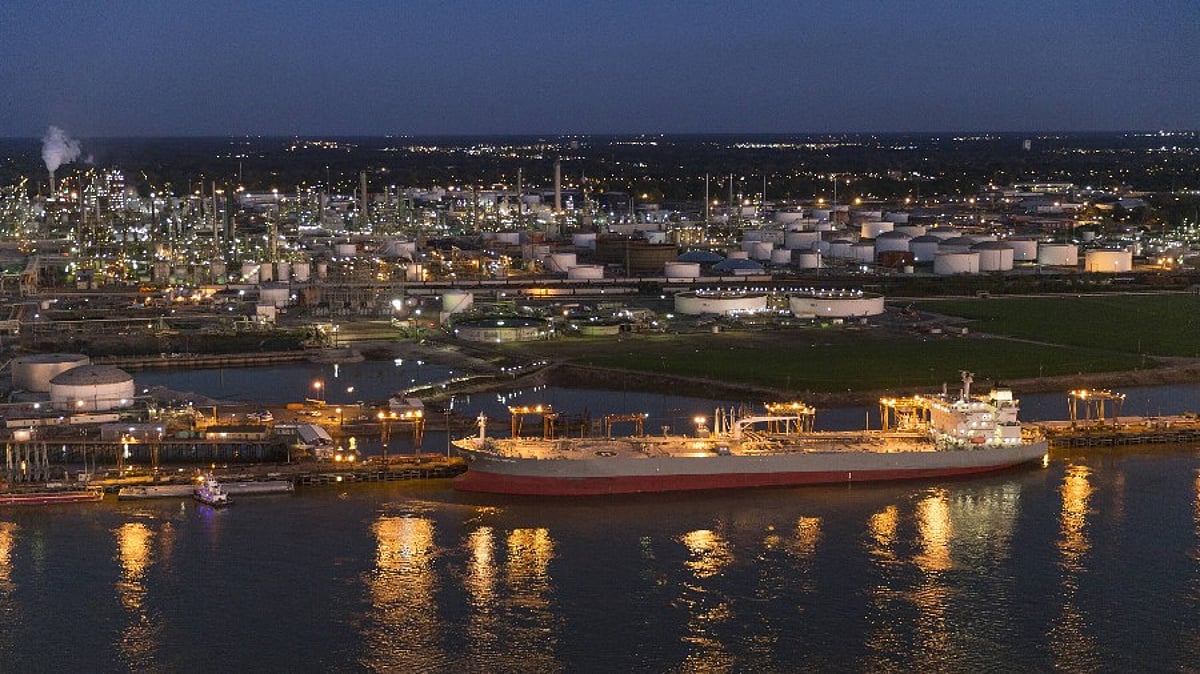
Aramco currently maintains over 2 million barrels per day of spare production capacity and operates a network of crude storage sites both within Saudi Arabia and internationally, with a notable presence in Asia. The company does not publicly disclose its total storage volumes.
Al-Rumayyan underscored the importance of these reserves by referencing the strategic stockpiles maintained by major economies such as China and the U.S., asserting that such long-term planning prevented a far more severe global crisis. The proposed expansion aims to enhance the resilience of global oil supply chains against future geopolitical disruptions and ensure consistent crude delivery.