
Araverus
NewsMarketsResearch
News
HeadlinesThreadsAtlas
© 2026 Araverus
AboutContactPrivacyTerms

Araverus does not provide financial, investment, or trading advice. All content is for informational purposes only. Full disclaimer

  1. News
  2. /
  3. Tech
  4. /
  5. AI

AI Job Fears Echo History, Not Jobless Future

Story Thread|AI's Economic and Workforce Impact

Araverus Team|Thursday, April 2, 2026 at 3:50 PM

AI Job Fears Echo History, Not Jobless Future

Araverus Team

Apr 2, 2026 · 3:50 PM

AI · Automation · Economic History · Employment

AIAutomationEconomic HistoryEmployment

Key Takeaway

The historical analysis suggests that while AI will transform labor markets, widespread job elimination is not a foregone conclusion, meaning investors should focus on companies augmenting human capabilities rather than solely replacing them. This means sustained consumer demand and a need for workforce retraining initiatives across sectors, impacting education, technology, and human capital management industries. It also means continued investment in AI tools that enhance productivity rather than just cut costs for technology and industrial sectors.

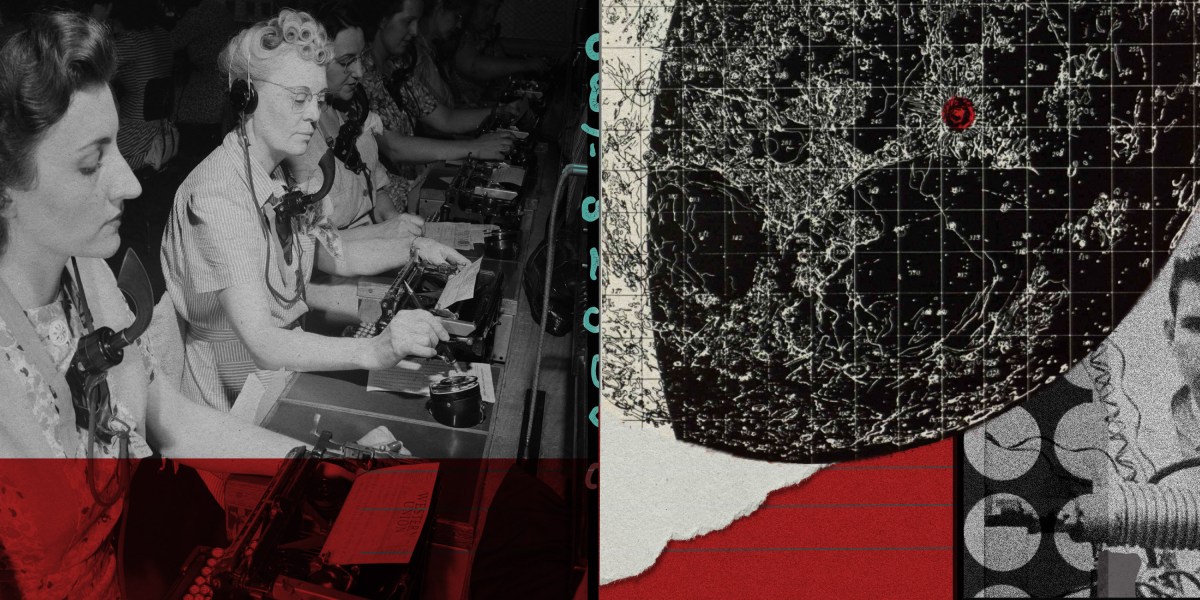
The article analyzes historical anxieties about technological unemployment, featuring economists John Maynard Keynes, Karl T. Compton, and Robert Solow, to contextualize current fears regarding AI's impact on jobs, ultimately concluding that a jobless future is a distraction.

In 1938, during the Great Depression with 20% US unemployment, MIT President Karl T. Compton argued technology created more jobs overall, despite individual displacement, a view that clashed with President Franklin D. Roosevelt. Similarly, in 1962, Nobel laureate Robert Solow debunked automation panic, noting productivity growth was not revolutionary, though specific labor types became obsolete.

The early 2010s saw economists Erik Brynjolfsson and Andrew McAfee argue technology destroyed jobs faster than it created them, impacting manufacturing and clerical roles, a concern President Barack Obama echoed in 2017. Today, Elon Musk predicts a "no job needed" future, but the article refutes this, citing Goldman Sachs' estimate that generative AI exposes two-thirds of US jobs to partial automation, not full replacement, with a 1.5% annual productivity impact over 10 years.

MIT's David Autor found 60% of 2018 jobs did not exist before 1940, emphasizing that society chooses whether AI augments or replaces workers, underscoring the need for corporate responsibility in managing transitions.

Thread Timeline: AI's Economic and Workforce Impact

Mar 19, 2026AI Improves Consumer Complaint Relief by 6.9%
Mar 22, 2026AI Forces Young Workers to Reskill, Rethink Careers
Mar 24, 2026AI Transforms Workforce, Displacing 92 Million Jobs by 2030
Mar 26, 2026AI Layoffs: Corporate Explanations Face Doubt
Apr 2, 2026

AI Job Fears Echo History, Not Jobless Future(current)

Read More On

The New Jobs Being Created by AIwsj.comPeople are worried that AI will take everyone’s jobs. We’ve been here before. - MIT Technology Reviewtechnologyreview.comIs AI coming for your job? Maybe. See which industries are most, least at risk - USA Todayusatoday.comKeen bosses, strange mistakes and a looming threat: workers on training AI to do their jobs - The Guardiantheguardian.comAI will create as many jobs as it displaces - report - BBCbbc.co.uk

Related Articles

Tech★★★Similarity: 65% · 6d ago

The Playbook That Elon Musk Relies On to Make His Wild Ideas Work

Musk’s five-step algorithm gets Tesla and SpaceX employees to achieve stretch goals and innovate, and it’s sure to come in handy in his push to build the world’s largest AI chip factory.

Tech★★Similarity: 65% · 5d ago

Silicon Valley Has Stopped Talking Politics—Except for This Google Executive

AI pioneer Jeff Dean is a rare tech leader who has been publicly criticizing actions by the Trump administration.

Tech★★Similarity: 64% · 2d ago

Apple Has Archives That Even Tim Cook Didn’t Know About. We Went Inside.

From design prototypes of its biggest products to early patents, Apple’s CEO gave us an intimate look at unseen items that help tell the story of 50 years of company history.

Economy★★★Similarity: 63% · 6h ago

The March jobs report due Friday morning will help resolve an anxious question hanging over the economy: Was February’s big drop in jobs a temporary setback, or the start of a more serious downturn?

Wall Street economists are expecting a March jobs rebound, but a disappointing report would confirm deeper concerns about the economy.