News
Federal Reserve · Geopolitics · Inflation · Treasury Yields
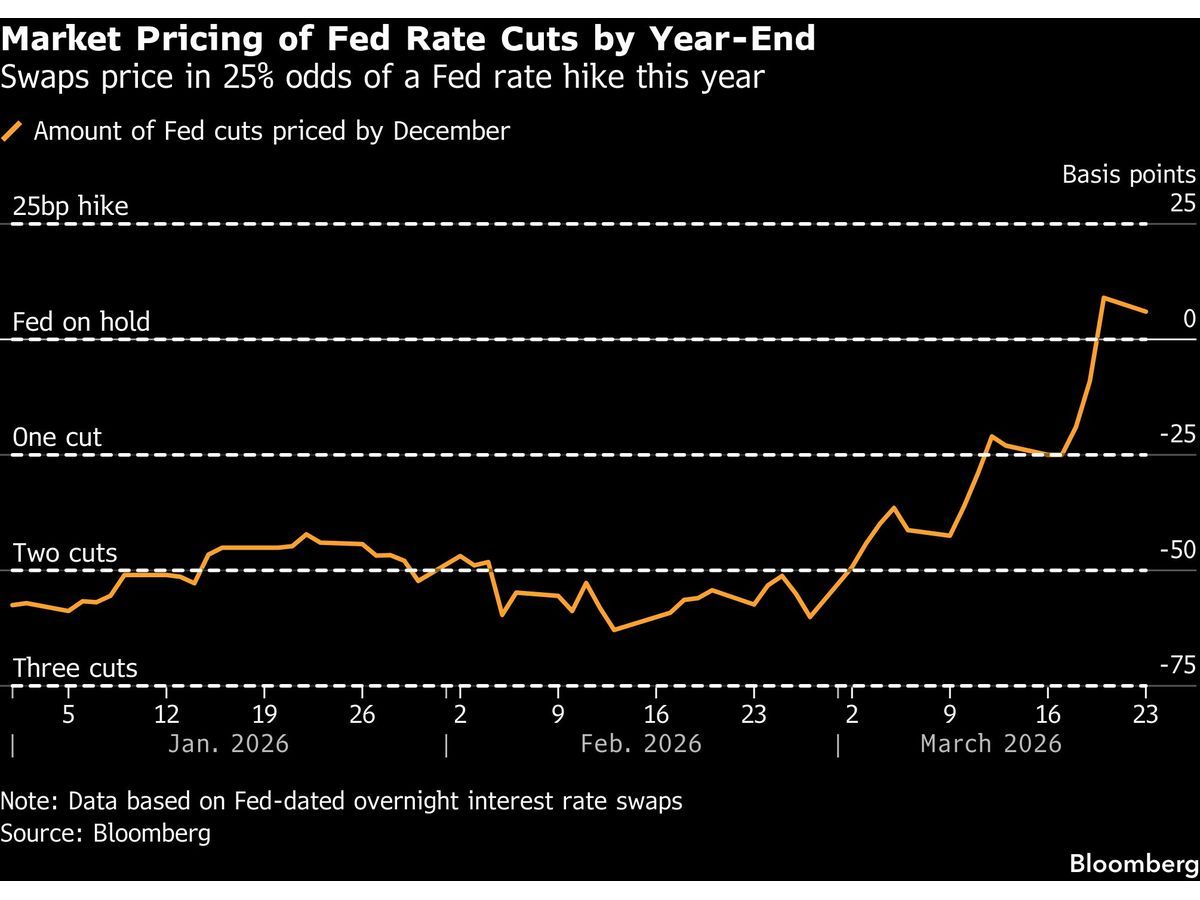
The US 10-year Treasury note yield surged to 4.41%, an eight-month high, driven by escalating Middle East conflict uncertainties, rising oil prices, and persistent inflation fears, which reversed Federal Reserve rate cut expectations to a nearly 50% chance of a December rate hike.
The initial jump to 4.07% on October 29, 2025, followed Fed Chairman Powell downplaying further rate cuts despite an expected 25bps cut and the end of quantitative tightening. Powell's reluctance to signal more cuts shifted focus from labor market softness to high inflation, causing yields across the curve to rise.
The Fed's balance sheet runoff will conclude in early December, with reinvestment into Treasury bills to stabilize overnight funding markets. However, by March 2026, the yield continued its ascent, reaching 4.39% and then 4.41%, as the Middle East conflict intensified, with reports of potential Pentagon troop deployments and President Trump extending deadlines for striking Iranian energy infrastructure.
This geopolitical tension fueled energy price increases, reinforcing inflation concerns and strengthening expectations for the Federal Reserve to maintain steady interest rates, a stark contrast to earlier market expectations of multiple rate cuts.
Yields Climb: Inflation, Mideast Conflict Drive Fed Hawkishness(current)