News
Hospitality Stocks · Luxury Hotels · Tourism Slump · Visa Policy
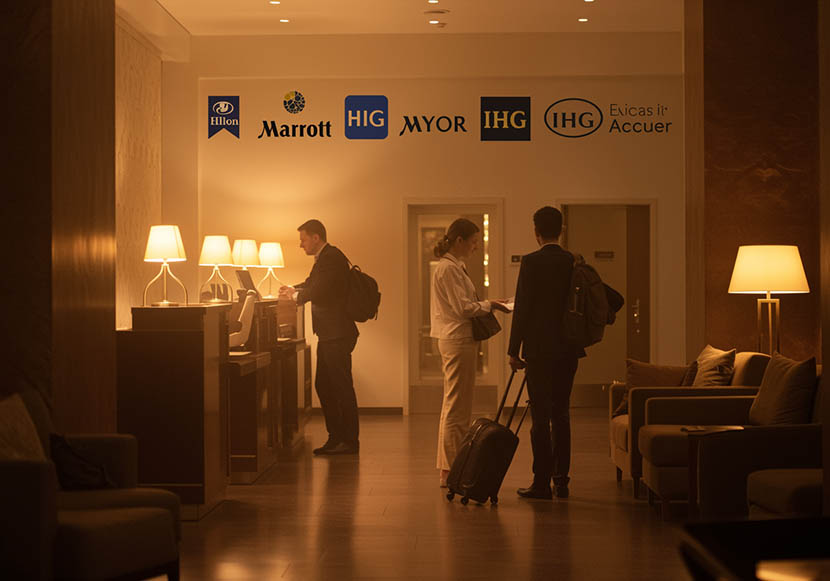
In mid-2025, the luxury hotel sector presents a mixed picture.
Hilton Worldwide reported a 0.5% decline in Q2 RevPAR, primarily due to weaker U.S. corporate and government travel, though international markets showed resilience. In contrast, Marriott, Hyatt, IHG, and Accor demonstrated growth, driven by strategic acquisitions, expansion into luxury and extended-stay segments, and strong commitments to sustainability.
Marriott's stock rose 8% YTD, Hyatt 12%, IHG 5%, and Accor 6%. Concurrently, the broader U.S. tourism industry faces a significant slump, with international visitor spending projected to drop 7% ($12.5 billion loss) in 2025.
This decline is largely attributed to stricter U.S. immigration policies, increased visa fees (up to $250), and global economic uncertainty, impacting cities like Seattle (26.9% visitor drop) and potentially costing the U.S. economy $29 billion. Airlines are adjusting forecasts, while international markets in Europe and Asia are rebounding faster due to more favorable travel policies.
The article suggests policy reforms are crucial for U.S. tourism recovery, positioning adaptable hotel chains for long-term success despite immediate headwinds.
Burger King Navigates Beef Costs, Drives Sales Growth