
News
Fed · Inflation · Oil Shock · Political Risk
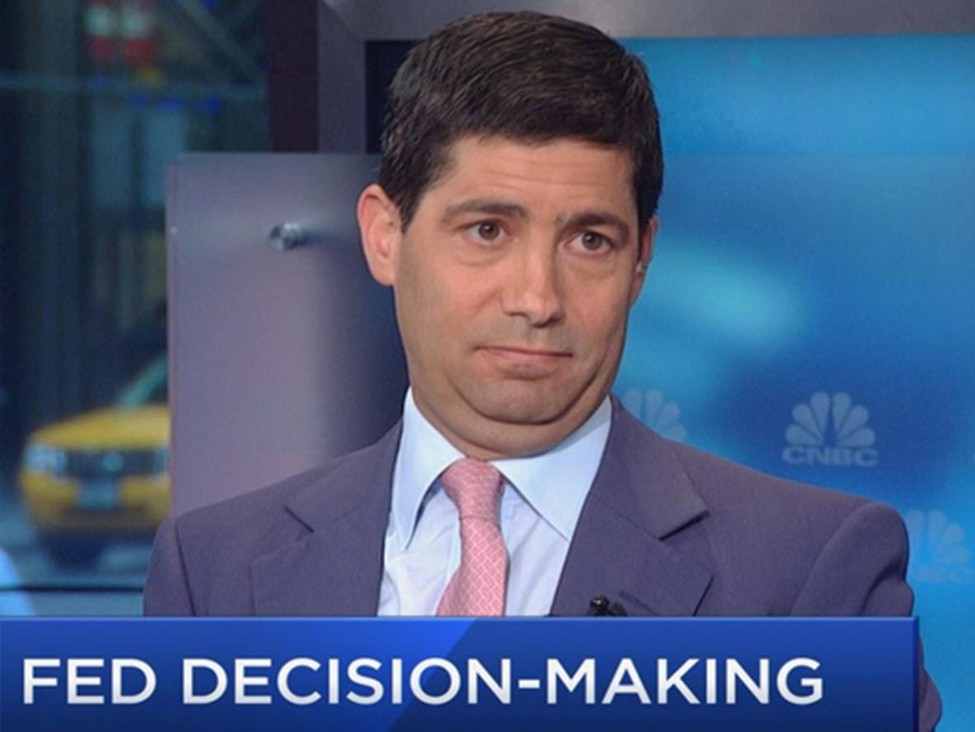
Kevin Warsh's potential Federal Reserve leadership faces an exceptionally complex transition, marked by rising inflation, an oil shock, and a stalled confirmation process, shifting market expectations from rate cuts to potential hikes.
Warsh, who previously signaled support for lower rates, now confronts building inflation pressures exacerbated by Middle East escalation and higher oil prices. His confirmation is delayed by a political dispute involving current Chair Jerome Powell and a Justice Department investigation, creating uncertainty about Powell's tenure.
President Donald Trump's demand for lower rates adds political tension, forcing Warsh to balance presidential expectations with a more cautious Federal Open Market Committee and inflation risks. Warsh's public criticism of Powell-era policy marks a departure from historical continuity, raising questions about transition management.
The macro backdrop, with persistent above-target inflation, makes policymakers less confident that oil shocks will quickly fade, increasing the risk of entrenched inflation expectations. This forces the Federal Reserve to prioritize inflation control over growth, with any easing scrutinized for political influence.
If confirmation stalls, Powell continues, prolonging uncertainty and reinforcing a "wait-and-see" market stance. If confirmed, Warsh's policy stance will be scrutinized; elevated energy prices force a cautious or even hawkish shift despite prior dovish signals.
Market volatility increases with any perceived division within the Federal Open Market Committee or between the Federal Reserve and the White House. Persistent inflation forces the Federal Reserve to prioritize price stability, potentially leading Warsh down a different policy path than initially signaled.
Warsh Fed Transition Faces Inflation, Oil, Political Headwinds(current)

