
News
Artificial Intelligence · Economic Policy · Federal Reserve · Interest Rates
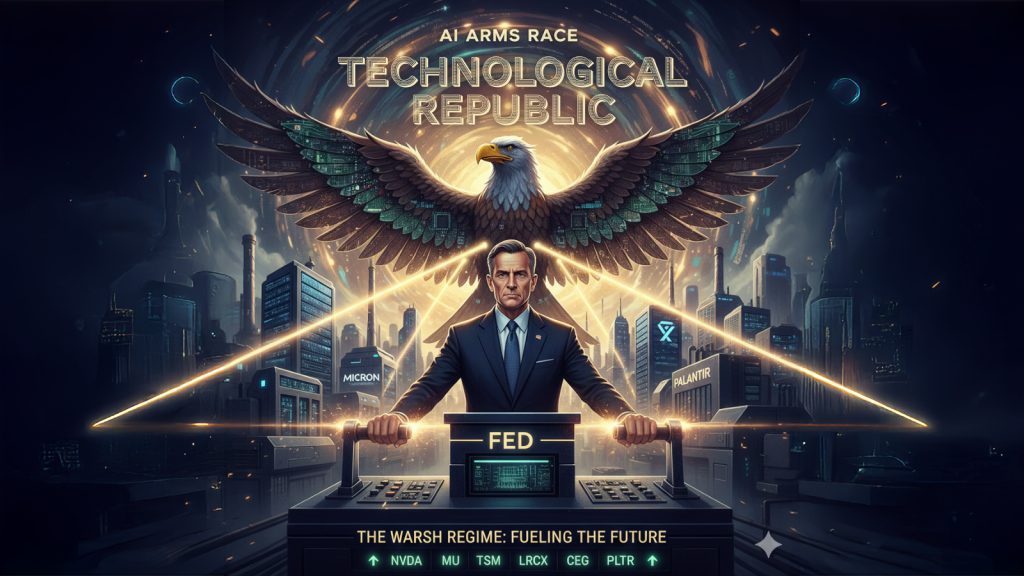
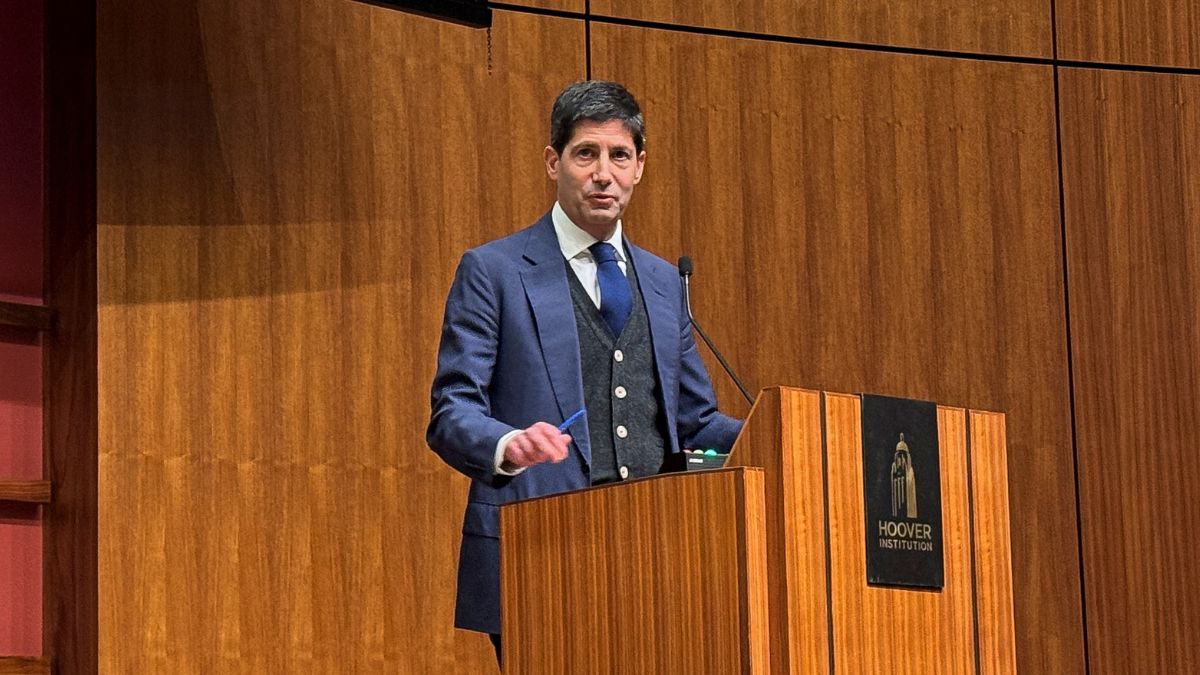
President Donald Trump, Treasury Secretary Scott Bessent, and Fed nominee Kevin Warsh advocate for aggressive Federal Reserve interest rate cuts, believing artificial intelligence will replicate the 1990s economic boom with productivity gains and low inflation, despite current inflation hovering above the central bank's 2% target.
Many economists, including Dario Perkins of TS Lombard, Joe Brusuelas of RSM, and Martin Baily of the Brookings Institution, express skepticism, arguing that the 1990s economic narrative is incomplete and AI's impact on productivity will take time to materialize. Federal Reserve Governor Michael Barr stated that an AI boom is unlikely to justify lower policy rates, as increased investment and higher wages could put upward pressure on rates.
Chicago Fed President Austan Goolsbee noted that former Fed Chair Alan Greenspan held off on raising rates in the 1990s, rather than slashing them. The current economic environment, marked by persistent U.S. government budget deficits expected to reach 120% of America's GDP by 2035 according to the Congressional Budget Office, and rising trade barriers, differs significantly from the 1990s.
Trump's Fed Nominee Warsh Pushes AI-Driven Rate Cuts(current)
)