News
Energy Security · Geopolitics · Hormuz · Oil
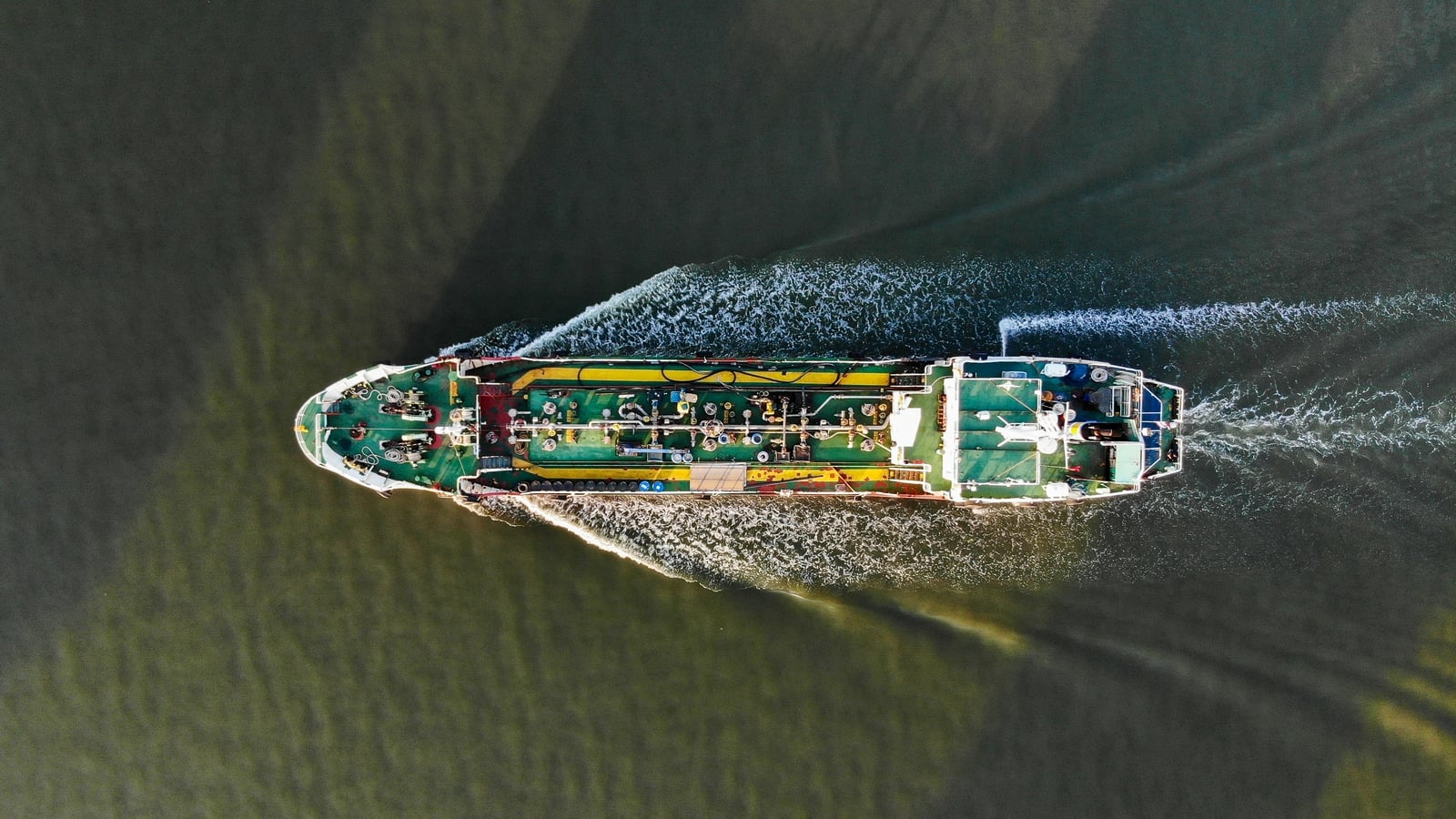
The Strait of Hormuz, a vital waterway between Iran and Oman, is crucial for global energy, with 20 million barrels of oil—nearly one-fifth of global consumption—passing through daily.
Any prolonged disruption would severely impact international energy markets and economies dependent on Gulf oil. The U.S. is exploring three main approaches to ensure stability: diplomacy, military force, or economic pressure.
Diplomacy, though considered the most direct route, is complicated by ongoing military operations and broader U.S.-Iran political uncertainties. While Iran's UN ambassador denies intent to disrupt trade, U.S. officials emphasize Iran's behavior as key to stability.
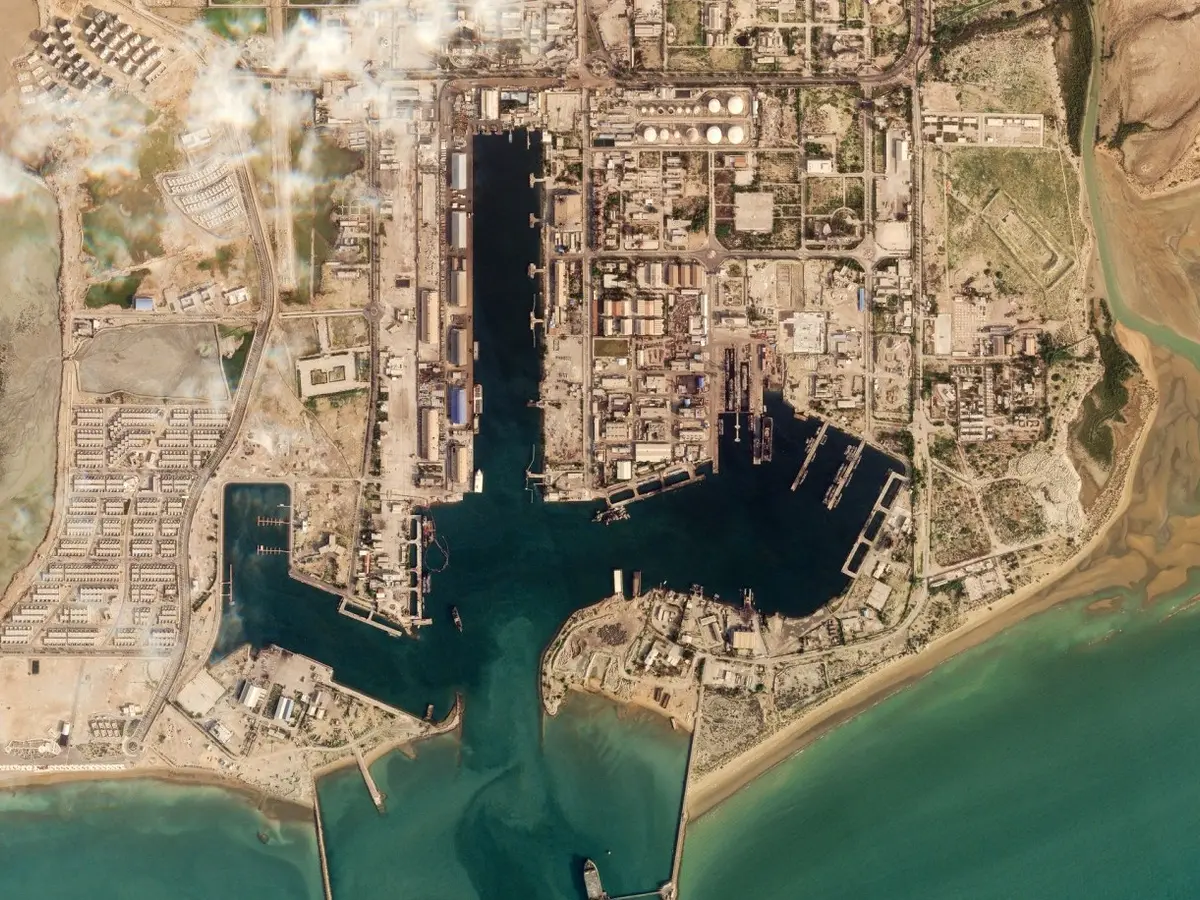
Military options, such as naval escorts, are challenging due to Iran's control of the northern coast with missiles and drones, potentially requiring a more extensive and risky military presence. Historical precedents, like the 1980s "Tanker War," highlight the difficulty of fully securing maritime routes.
Economic pressure via sanctions, targeting entities doing business with Tehran, could increase leverage but faces enforcement challenges due to covert trade routes. Each option presents significant hurdles, underscoring the complexity of securing this critical energy corridor.