News
Gulf Coast Infrastructure · OPEC · Shale Revolution · U.S. Oil Exports
Two years after lifting a 40-year ban, U.S. crude oil exports surged to 1.5-2 million barrels per day, landing in over 30 countries and challenging OPEC's market dominance, while driving significant investment in Gulf Coast shipping infrastructure.
The repeal unleashed a flood of U.S. shale oil, undercutting global crude prices and eroding OPEC's clout, with U.S. net imports dropping from 12.5 million bpd in 2005 to 4 million bpd today. U.S. producers now export between 1.5 million and 2 million barrels of crude a day, projected to rise to 4 million bpd by 2022, accounting for over 80 percent of global supply growth in the next decade, according to the International Energy Agency.
China, the world's top importer, became the largest buyer of U.S. crude outside Canada, with Unipec expecting to double imports to 300,000 bpd this year and considering long-term deals and infrastructure partnerships. Sinochem Group plans a Houston trading office.
U.S. oil production reached 10 million bpd in 2017, nearing a 1970 record and matching Saudi Arabia, close to Russia's 10.9 million bpd. David Fyfe of Gunvor Group expects U.S. crude output to grow 500,000-600,000 bpd through 2018, while the U.S. Energy Department forecasts 1.2 million bpd growth to 11 million bpd by year-end, with the bulk exported.
U.S. imports from OPEC declined to 37 percent from over half, with Saudi Arabia's share dropping to 709,000 bpd in the second half of 2017, the lowest since 1987. India and European nations like France are also significant new buyers.
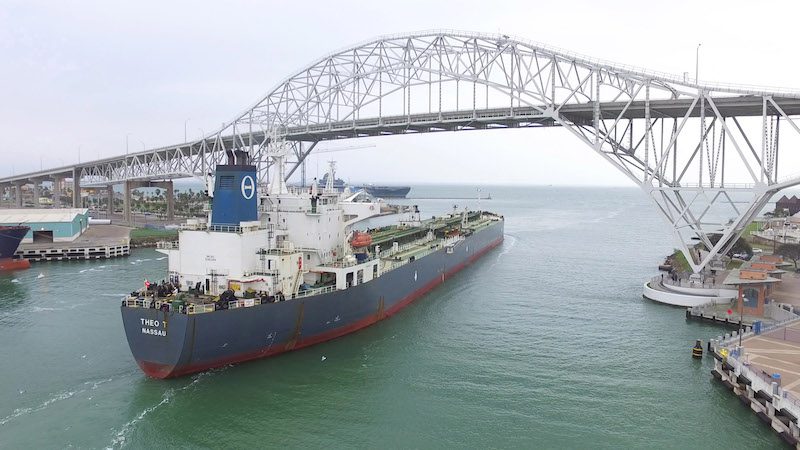
The export boom fueled a surge in Gulf Coast infrastructure investment, benefiting pipeline and logistics firms like Enterprise Products Partners, which reported record profits in 2017, and Magellan Midstream Partners, which expects to spend $1.7 billion over two years on new docks, storage, and marine terminals. Port Corpus Christi seeks $60 million in federal funding for a $320 million channel project to accommodate supertankers, crucial for U.S. crude competitiveness in Asia, as stated by Jarl Pedersen.