News
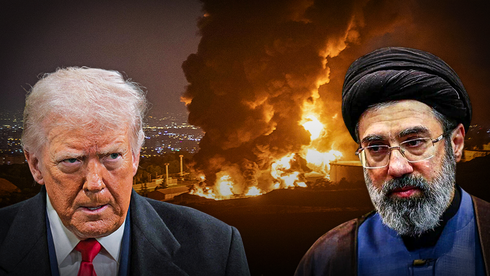
Investment Fund · Oil Markets · Sanctions Relief · US-Iran Deal
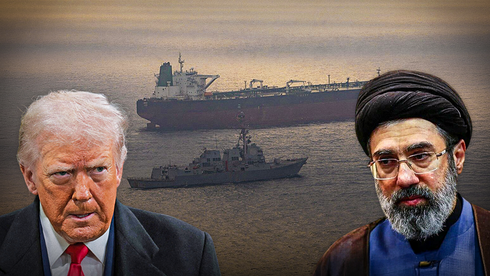
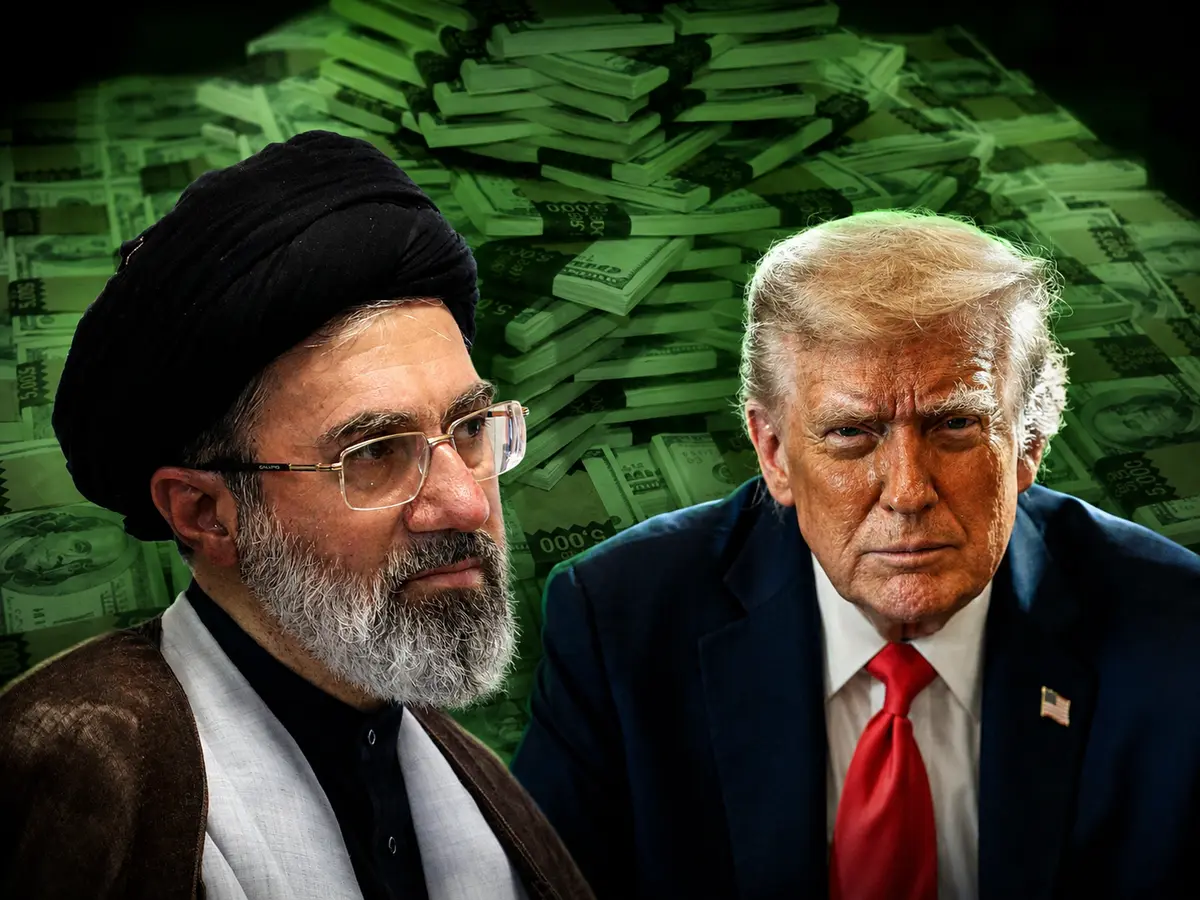
The United States and Iran are nearing an initial draft deal that includes a postwar international investment fund worth up to $300 billion, phased sanctions relief, and the gradual release of an estimated $24 billion in frozen Iranian assets, despite ongoing disputes over ceasefire terms, Hormuz access, and Iran’s nuclear program.
This agreement establishes a preliminary framework for more substantive, difficult negotiations lasting at least 60 days, during which both sides commit not to attack each other. The goal is to determine the future of Iran’s nuclear program, lift U.S. sanctions, and formally end the war.
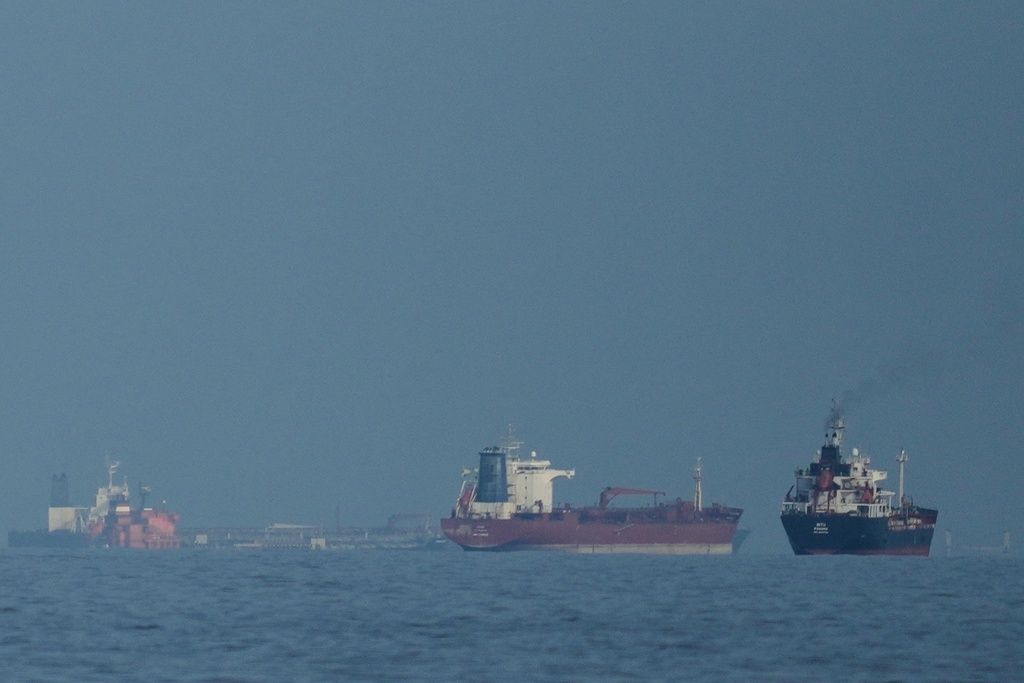
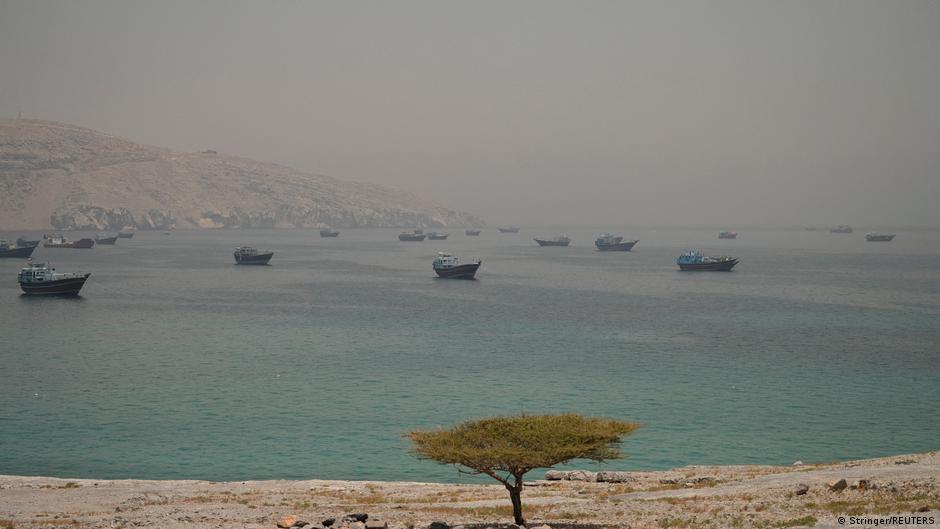
The draft outlines a 60-day cessation of hostilities, with an Iranian official stating it includes a "declaration of an end to the war" across all fronts, including Lebanon. The Strait of Hormuz, vital for global oil and gas transit, is expected to reopen immediately under the American understanding, with the U.S. naval blockade gradually reduced.
Iran agreed to allow maritime traffic to return to prewar levels for 30 days, but disputes remain over long-term transit fees, with President Trump opposing any fees. The $300 billion "postwar investment fund" is described by an Iranian official as a "reconstruction plan" and by diplomats as an international "investment fund" the United States promotes, a concept linked to Steve Witkoff and Jared Kushner.
Iran seeks access to up to $20 billion in frozen assets, with Trump's team exploring third-country facilitation via Qatar to avoid direct U.S. cash payments. Nuclear talks, addressing Iran’s 440 kg of enriched uranium and ten tons of lower-enriched material, are postponed to a second phase.
Iran would suspend its nuclear program for a U.S. commitment not to increase sanctions, with existing sanctions lifted upon a final agreement.