News
Geopolitics · Iran · Oil Sanctions · Strait Of Hormuz
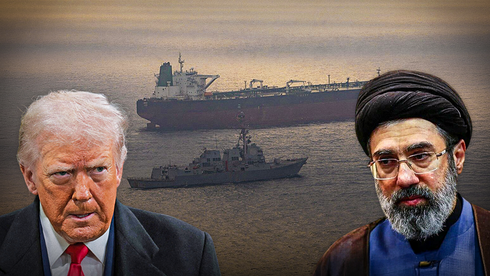
The United States and Iran signed a ceasefire deal this week, allowing Tehran to immediately begin exporting oil and fuel, with sanctions waivers also covering banking, transport, and insurance services, providing Iran an early financial incentive.
The agreement, signed electronically on Sunday, includes an extended pause in fighting and lifts both sides' blockades in the Strait of Hormuz. Sanctions relief remains tied to Iran's performance on key US demands, including keeping the Strait of Hormuz open and progress on its nuclear program, as stated by a senior US official.
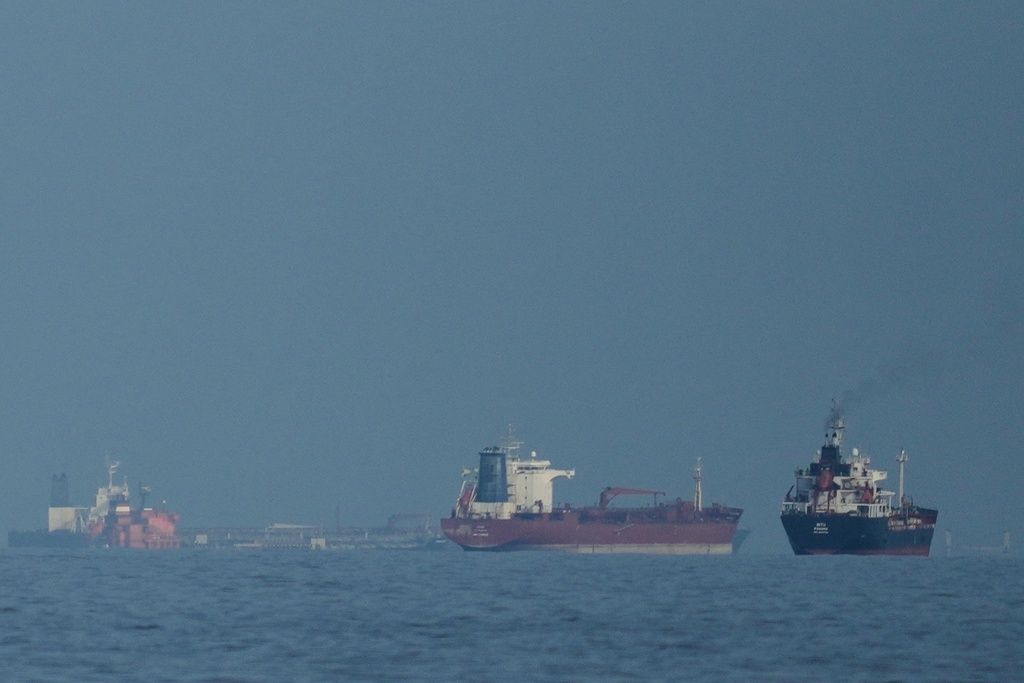
Iran will not receive immediate access to billions of dollars in frozen funds. An Iranian supertanker was observed leaving Chabahar port Tuesday with its tracker active, crossing the US blockade line into the Gulf of Oman, according to the nonprofit United Against Nuclear Iran.
Analysts confirmed Washington conceded oil exports to secure Hormuz access. The memorandum envisions greater financial relief if Iran destroys its enriched uranium stockpile and dismantles its nuclear program, including access to an estimated $100 billion in frozen assets and a $300 billion reconstruction fund.
Iran's state Mehr News Agency published what it said were 14 points of the draft memorandum, including a permanent ceasefire, a full lifting of the naval blockade within 30 days, reopening of the Strait of Hormuz, suspension of oil sanctions, and $24 billion in released frozen funds during a 60-day negotiating period. President Trump stated the US would not contribute to that reconstruction fund.