News
Defense Spending · Geopolitics · Humanitarian Aid · Middle East
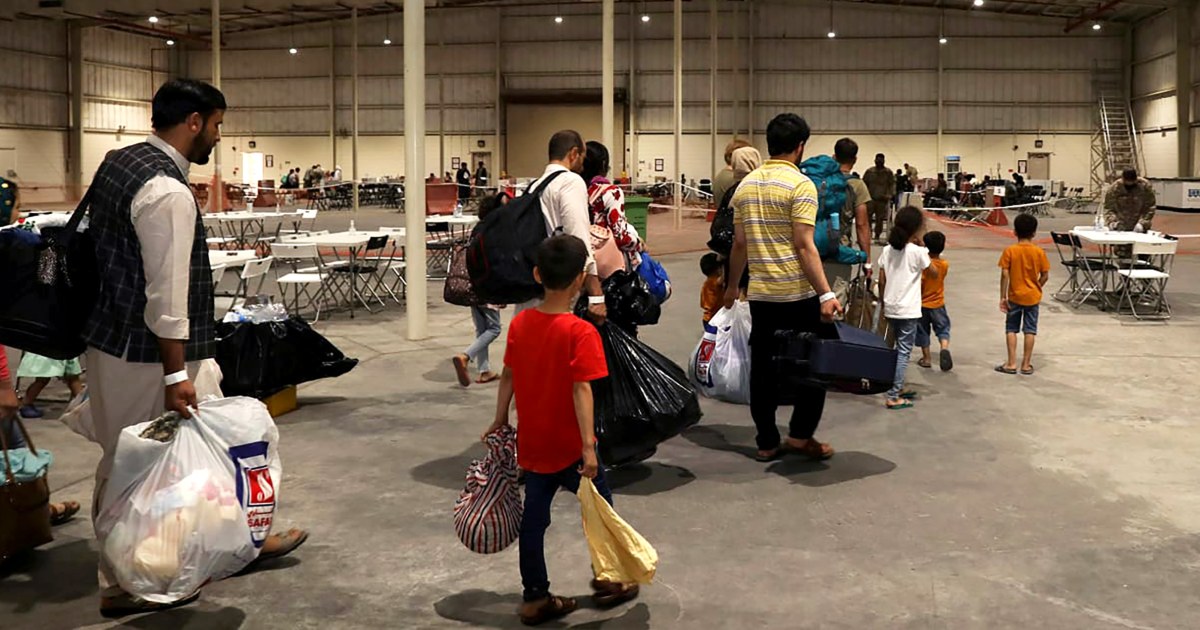
The Trump administration is reportedly advancing efforts to relocate Afghan individuals currently housed in a U.S. Mideast base, aiming to resolve their prolonged status and streamline regional operations.
This initiative, while humanitarian in nature, carries direct implications for U.S. foreign policy and defense spending. Without access to the full article, specific details regarding the exact number of Afghans involved, their proposed relocation destinations, or the precise estimated costs of this operation are not available.
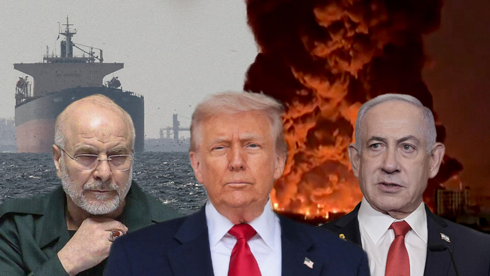
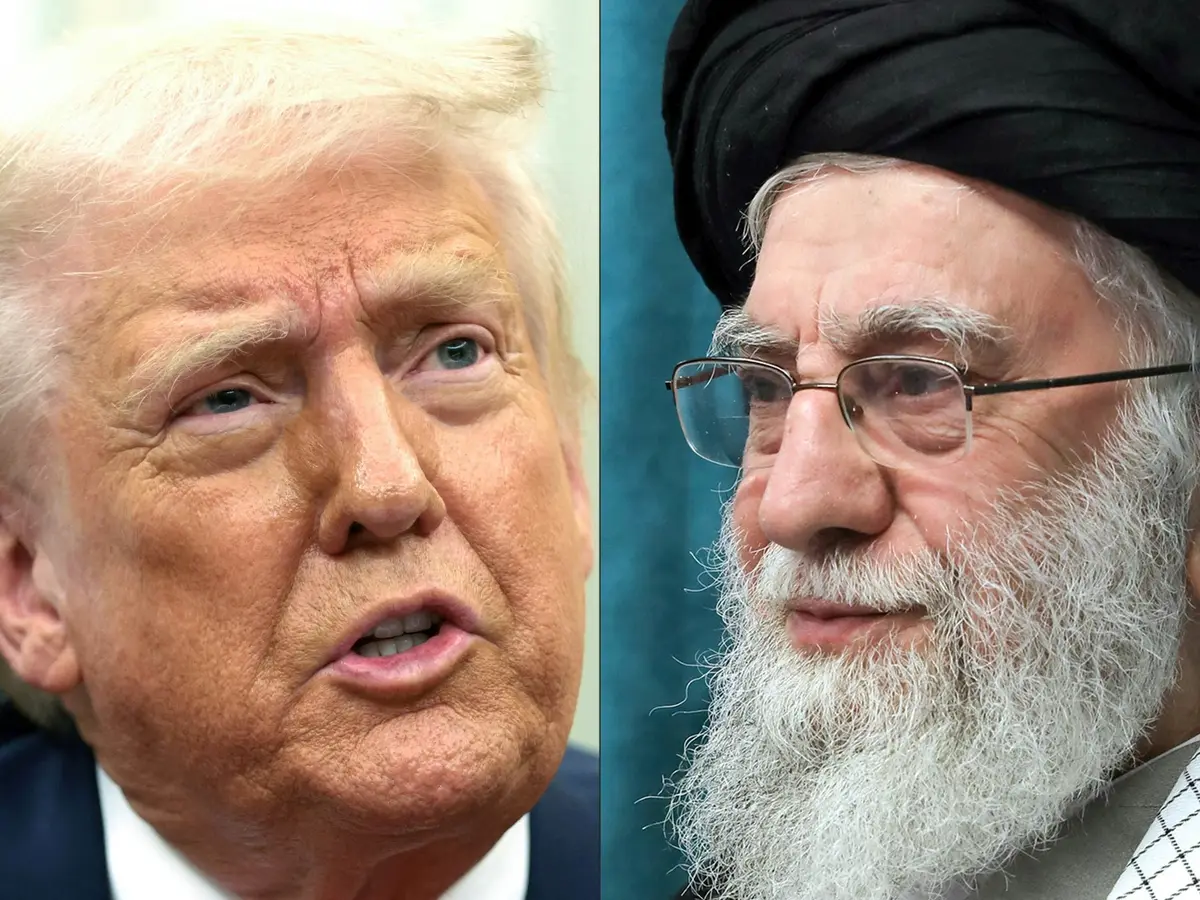
However, such large-scale logistical and humanitarian endeavors necessitate substantial budgetary allocations for transportation, resettlement infrastructure, and ongoing support services. The broader geopolitical environment, marked by recent reports of a US-Iran ceasefire and its subsequent impact on global oil prices and stock markets, underscores a period of significant re-evaluation of U.S. commitments and resource deployment in the Middle East.
Investors should closely monitor these policy shifts for their potential influence on defense contractors, logistics and transportation companies, and specialized aid organizations. Furthermore, the resolution of long-standing humanitarian issues contributes to regional stability, which directly affects energy markets and global trade routes, presenting both opportunities and risks for various sectors.
The administration's proactive stance on this issue signals a strategic effort to address lingering challenges from past conflicts, which could lead to a reallocation of future operational expenditures.