News
Energy Industry · Financial Risk · Oil Prices · US Economy
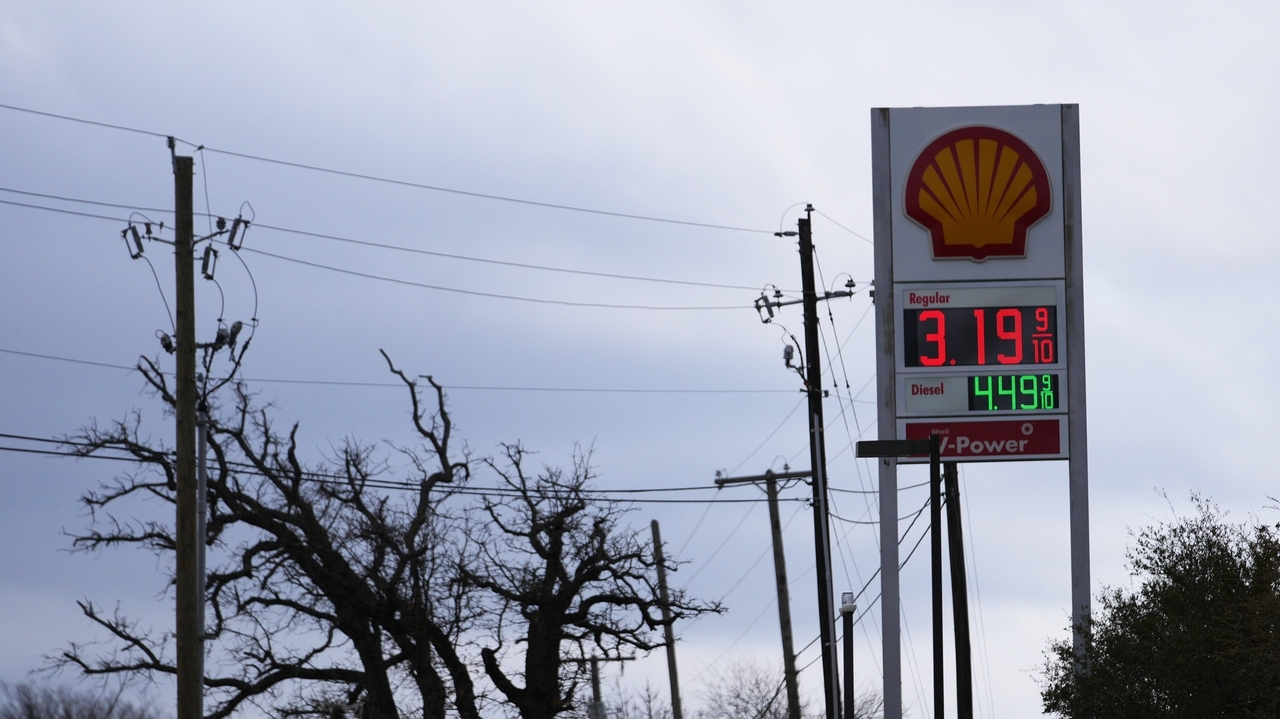
Historically, low oil prices boosted the U.S. economy by increasing consumer disposable income.
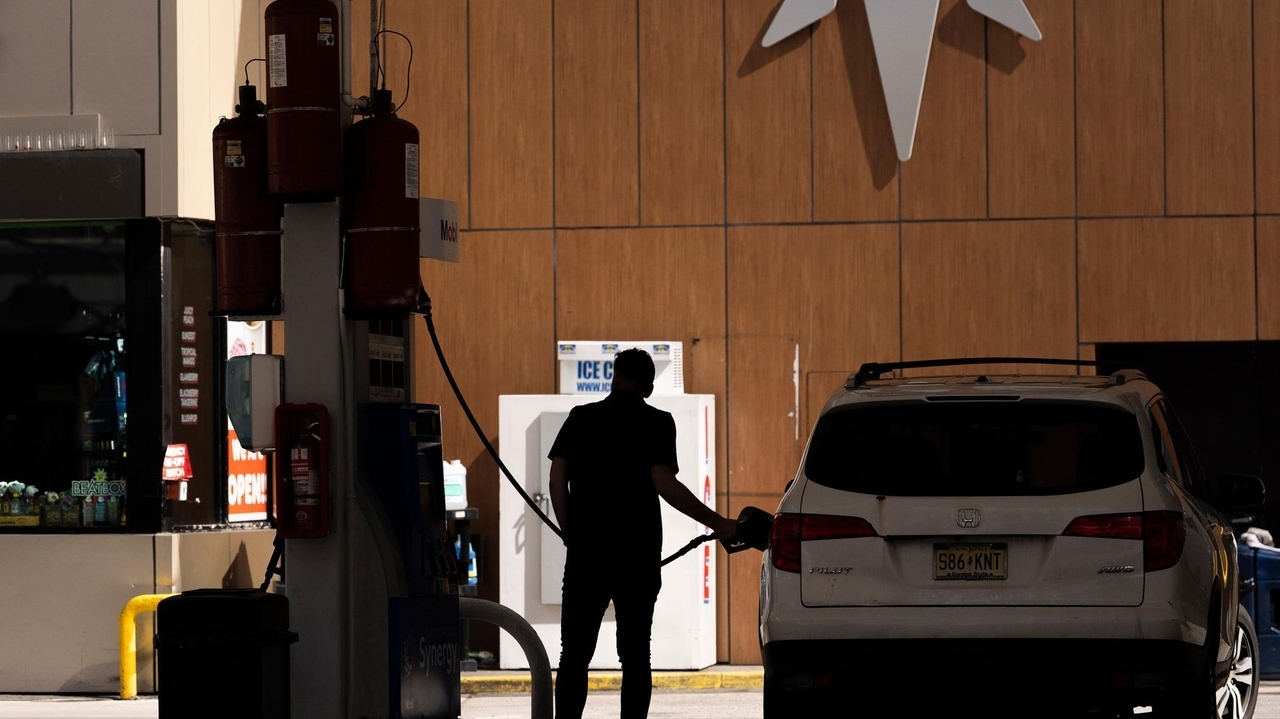
However, the recent crash in oil prices, from $100 per barrel in 2014 to under $30, presents a mixed and potentially worrying picture. While consumers save significantly at the pump—an average family could save $1,200 to $1,500 annually—the U.S. has become the world's largest oil producer, fundamentally altering the economic impact.
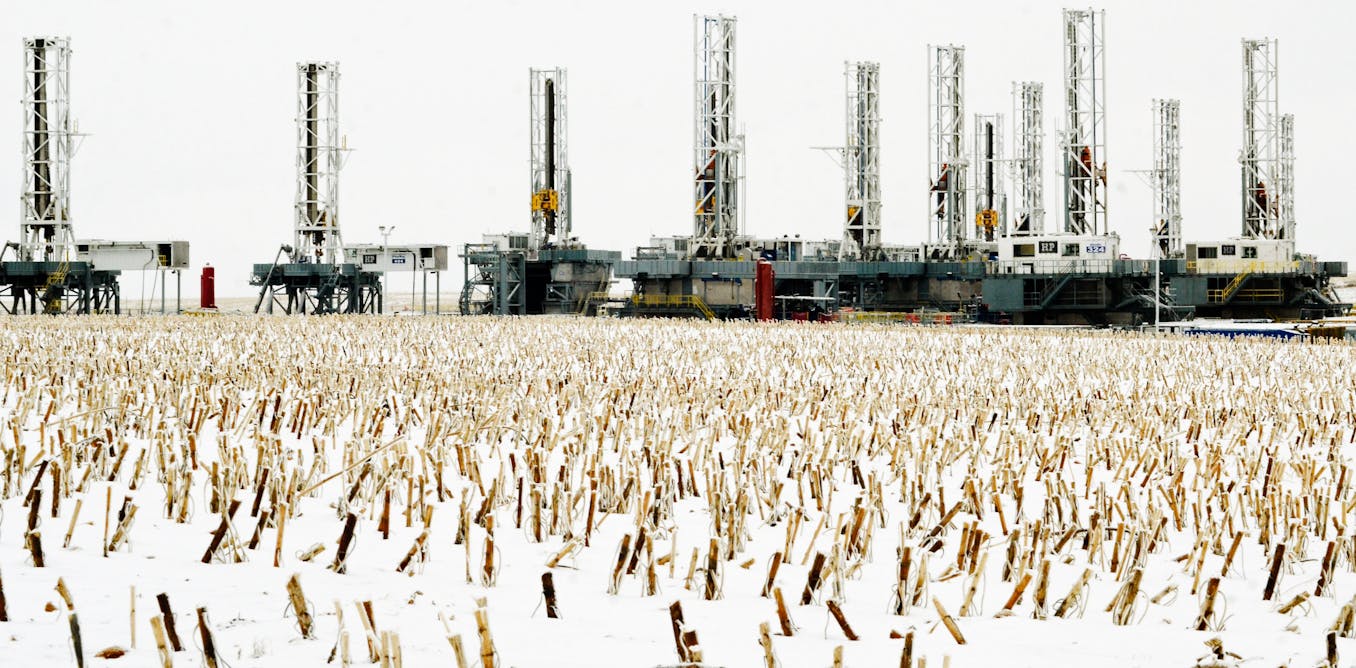
The domestic oil and gas industry, which supports over 10 million jobs, is severely impacted, leading to reduced investment, idle production, and massive layoffs, with companies like Schlumberger and Halliburton cutting 25 percent of their workforces. This downturn disproportionately affects oil-dependent states like Texas and North Dakota, threatening recession in those regions.
Furthermore, the financial sector faces significant risk. Banks, having loaned hundreds of billions to oil and gas companies, are vulnerable as hedging contracts expire and production costs (around $50 per barrel) far exceed current prices.
Major institutions like JP Morgan and Wells Fargo have already set aside $2.5 billion in reserves to cover anticipated losses, signaling potential ripple effects across financial markets.