News
Brand Partnerships · Lego · Sales Growth · Toy Market
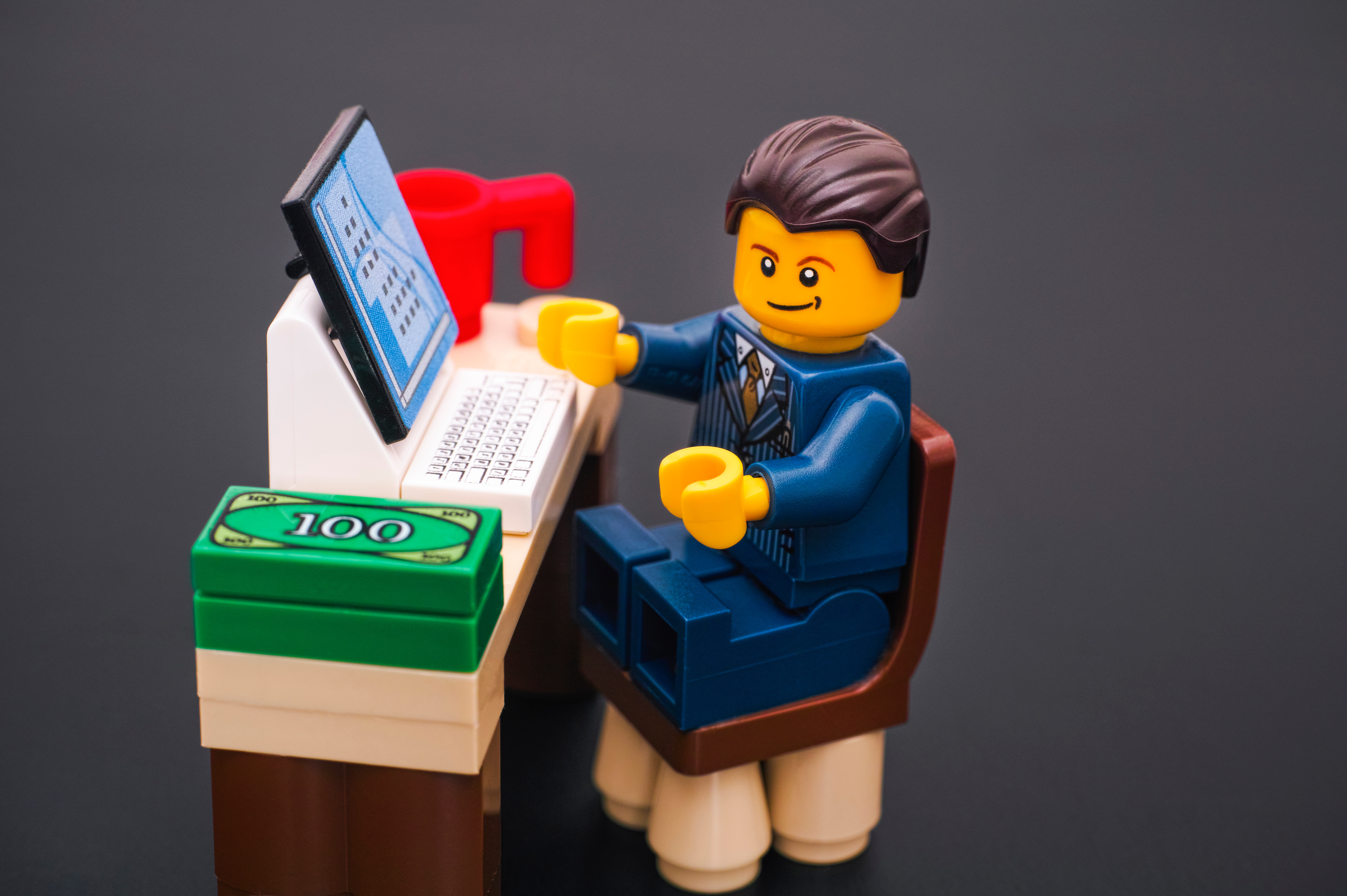
Danish toymaker Lego achieved a record first-half performance, with sales surging 12% to $5.43 billion (34.6 billion Danish crowns) and operating profit rising 10% to 9 billion crowns.
This robust growth significantly outpaced the global toy market's nearly 7% expansion, allowing Lego to gain market share against rivals like Mattel and Hasbro. CEO Niels Christiansen attributed this success to strong consumer demand, a resilient, geographically diversified supply chain spanning six countries, and strategic brand partnerships. The company launched a record 314 new sets, leveraging collaborations with major entertainment franchises such as Formula One, Fortnite, Jurassic Park, Bluey, and One Piece, with a Pokémon tie-up slated for 2026.
Its botanical line also successfully attracted adult consumers. Lego reported double-digit sales growth in the US and overall expansion across all major markets, including China, supported by 24 new store openings globally.
This strategic expansion and product diversification, coupled with manufacturing close to consumers, positions Lego for sustained dominance despite broader economic uncertainties, distinguishing it from peers more reliant on concentrated production.
Burger King Navigates Beef Costs, Drives Sales Growth