News
Beef Industry · Inflation · Labor Strike · Supply Chain
Approximately 3,800 JBS meatpacking workers in Greeley, Colorado, are set to strike on March 16, significantly disrupting operations at one of the largest U.S. beef processing plants.
This labor action, initiated by the United Food and Commercial Workers Local 7 union, stems from disputes over wages, which workers argue haven't kept pace with inflation, and company charges for protective equipment. JBS, the world's largest meat company, reported a third-quarter profit of $581 million, down from $693 million a year prior, and maintains it has negotiated fairly. The strike occurs amidst a critical period for the U.S. beef market, with the national cattle supply at a 75-year low and consumer beef prices reaching historic highs.
While meatpackers like JBS benefit from elevated prices, they also face record costs for cattle. JBS has begun adjusting cattle deliveries and shifting production to other facilities to mitigate the impact, with some ranchers already diverting livestock.
This event underscores the tight supply-demand dynamics in the beef industry and the growing pressure on labor costs, potentially exacerbating inflationary trends for consumers and challenging operational stability for major processors.
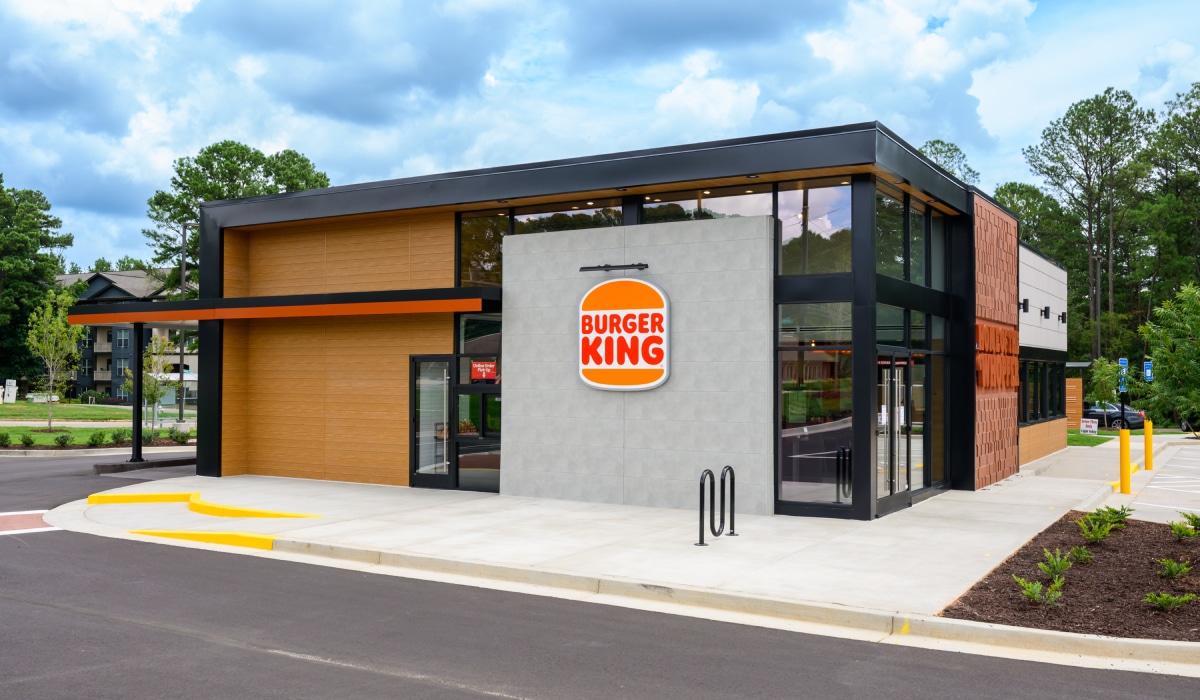
McDonald’s, Burger King and other brands push promotions, while beef prices have climbed to a record level.