News
Diplomacy · Geopolitics · Iran · Oil
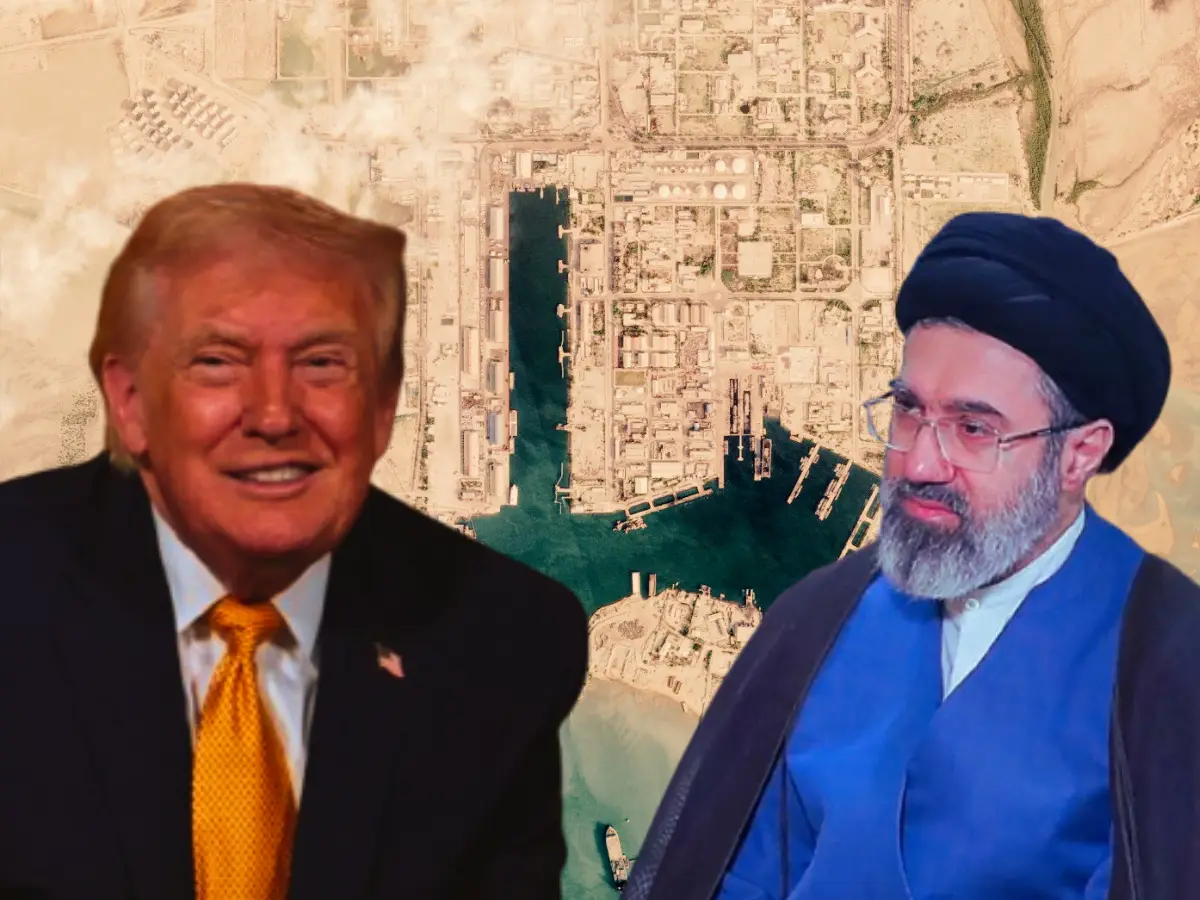
The article details Seyed Abbas Araghchi's role as Iran's foreign minister amidst a dangerous Middle East crisis, where US and Israeli airstrikes on Iran on February 28, 2026, abruptly ended nuclear negotiations, leading to a 17% surge in global oil prices and over 1,200 deaths in Iran.
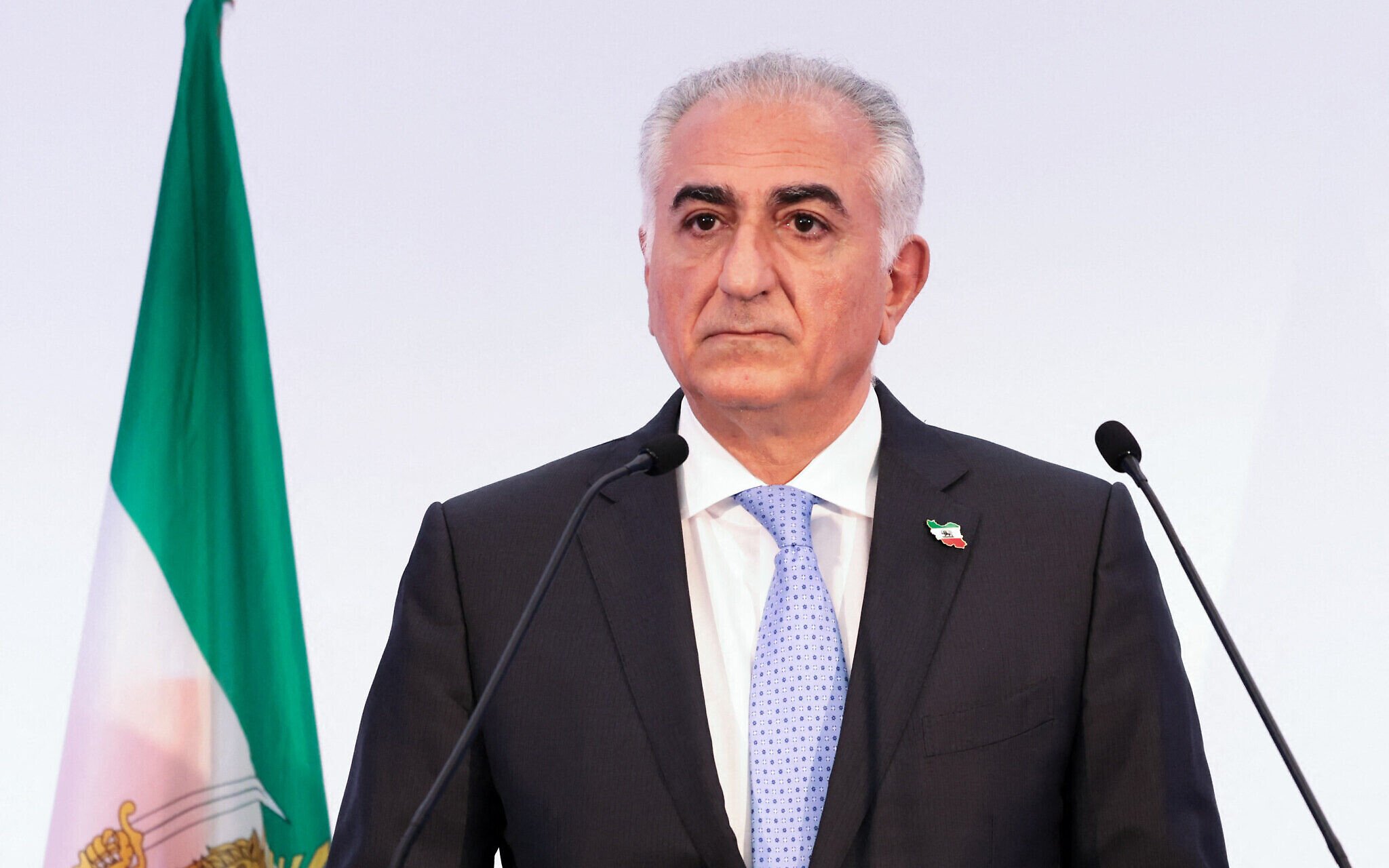
Araghchi, a veteran diplomat and former nuclear negotiator, now serves as Tehran's primary voice, navigating heightened conflict, sanctions, and protests. He confirmed Iran's nuclear program is not currently negotiable and stated Iran is "not asking for a ceasefire" under military pressure, refusing further communication with US envoys Steve Witkoff and Jared Kushner.
The conflict, which saw the killing of Supreme Leader Ayatollah Ali Khamenei and the succession of Mojtaba Khamenei, has also led to closer cooperation with Russia and China. Araghchi maintains the Strait of Hormuz is open to global shipping but closed to adversaries, attributing oil shipping disruptions to US/Israeli operations.
The crisis has resulted in over 1,200 deaths in Iran and 13 US service members dead, with Iranian missile attacks killing over 30 across Gulf states by mid-March 2026.
Iran Conflict Escalates, Araghchi Halts US Talks, Oil Surges(current)