News
Energy Markets · Geopolitics · Iraq · Middle East Conflict
The Iran-Israel-US war has intensified in Iraq, with Iran-backed Iraqi armed groups escalating attacks on Western diplomatic and military sites, while facing alleged US airstrikes and targeted assassinations, severely testing the Iraqi government's claimed neutrality.
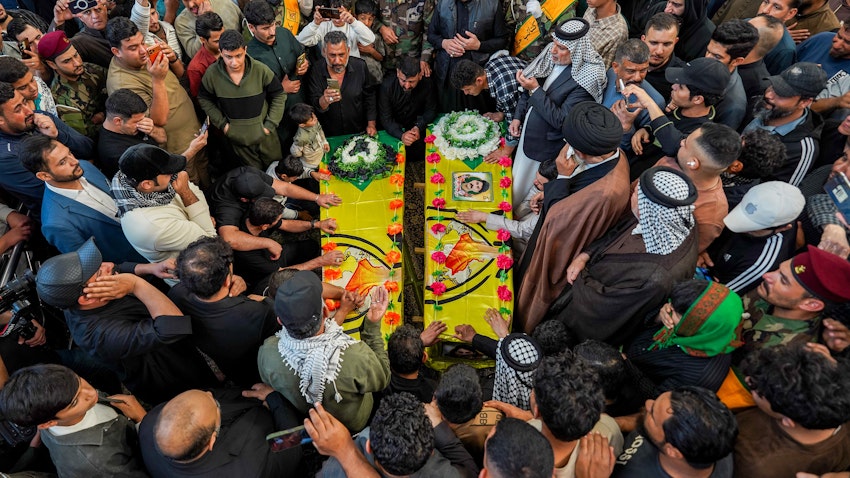
The "Islamic Resistance in Iraq" claimed hundreds of operations against "enemy bases" and offered a 150M IQD (113,000 USD) reward for US intelligence and military officials. Concurrently, unclaimed airstrikes, widely attributed to the US, reportedly killed dozens of Popular Mobilization Units (PMU) fighters and injured over 50.
Iraqi officials, including Prime Minister Muhammad Shia’ Al-Sudani and Deputy Foreign Minister Muhammad Hussein Bahr Al‑Ulum, condemned all strikes on Iraqi soil and attacks on diplomatic missions, while maintaining a "neutral" stance. Analysts Mohammad A. Salih and Lahib Higel characterize this neutrality as disingenuous due to inaction against autonomous PMU brigades.
Recent targeted missile strikes in Baghdad, including the Arasat district and Jadriya, suggest a shift in US strategy to directly target planners of attacks, crossing previous "red lines." Retaliatory attacks hit the US Embassy, Camp Victory, Baghdad International Airport, and Al-Karkh Central Prison, which holds thousands of Islamic State group detainees, raising concerns about potential escapes. The immediate future points to continued tit-for-tat airborne warfare, with urban centers potentially becoming central battlegrounds.
Iraq Conflict Escalates, US Missions Targeted(current)