News
Alan Greenspan · Economic Policy · Federal Reserve · Financial Crisis
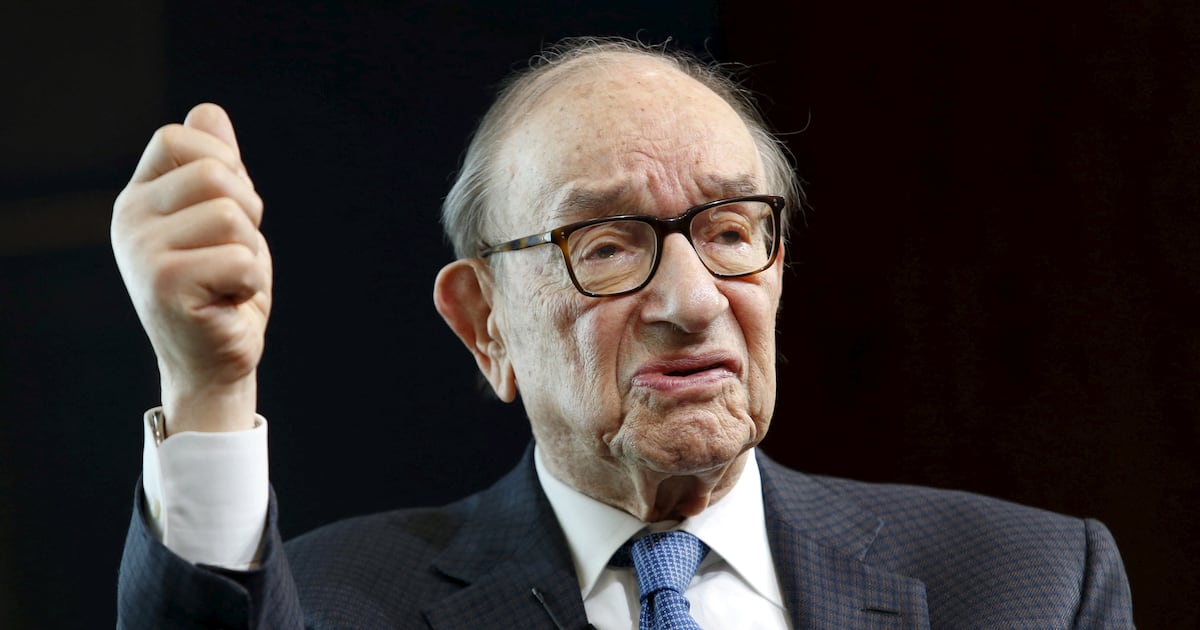
Alan Greenspan, former US Federal Reserve chairman, died at age 100 from Parkinson's complications, concluding an 18-year tenure marked by economic expansion and later criticism for his deregulatory stance preceding the 2008 financial crisis.
Greenspan, who served from 1987 to 2006, was celebrated as a "maestro" for guiding a record US economic expansion, overseeing a stock market boom, and low unemployment, with the S&P 500 Index almost quadrupling during that stretch. He popularized "irrational exuberance" and fostered the "Greenspan put" perception, where investors believed the Fed would always intervene to buoy markets, potentially encouraging excessive risk-taking.
However, critics, including the Financial Crisis Inquiry Commission, linked his opposition to financial regulation and free-market ideology to the 2008 meltdown, a view Greenspan himself partially conceded in 2008, stating regulators "failed" and his assumptions were "flawed." He defended his interest rate policy against bubble-busting, arguing it would crush prosperity. His legacy remains a subject of debate regarding the balance between market freedom and regulatory oversight.
Greenspan Dies at 100: Fed Maestro's Mixed Legacy(current)