News

Fed · Inflation · Interest Rates · Monetary Policy
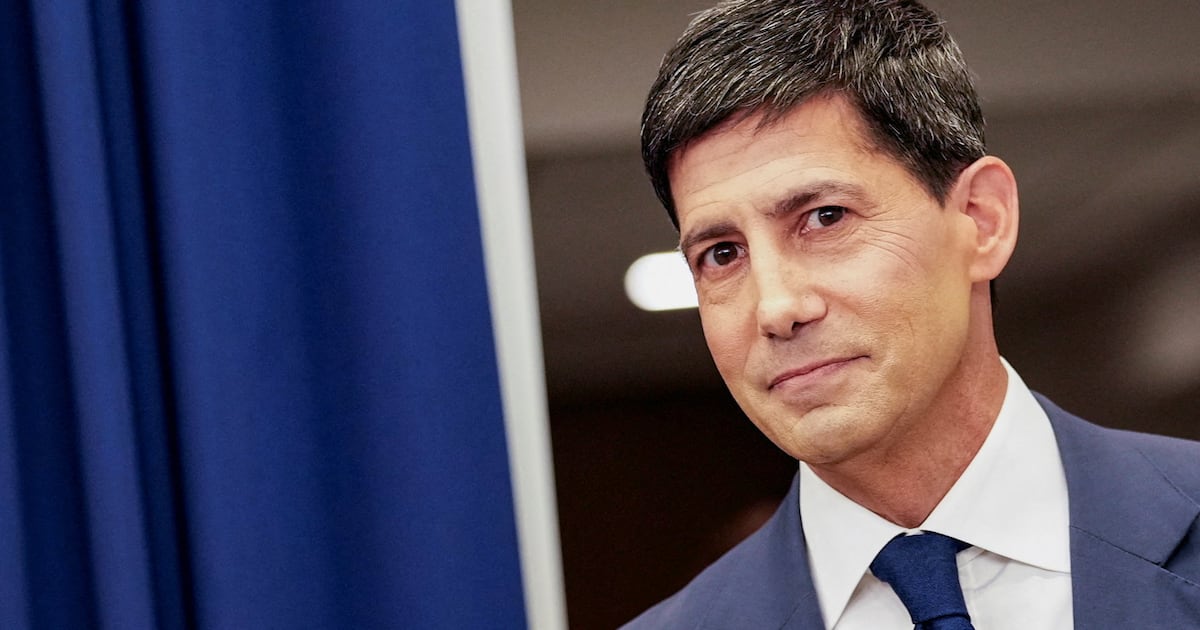
Kevin Warsh, in his first meeting as Fed Chairman, adopted a tough anti-inflation stance, shifting the central bank from an “easing bias” to expectations of a rate hike later this year, while keeping rates in the 3.5% to 3.75% range.
The Federal Reserve committee, in a unanimous vote, maintained current rates but signaled a future hike, citing "expanding at a solid pace" economic activity and "elevated" inflation, partly due to energy shocks amid the war in Iran. Chairman Warsh vowed to "deliver price stability" and announced new task forces across five areas, including communications and inflation frameworks.
Notably, Warsh declined to provide forward guidance, stating it is "not helpful" and that markets perform best reacting to actual data, a clear departure from his predecessor, Jerome Powell. Other Fed members increased their 2026 inflation projection to 3.6% from 2.7% and reduced expectations for cuts, with a median outlook now for one quarter-point hike this year, up from one cut previously.
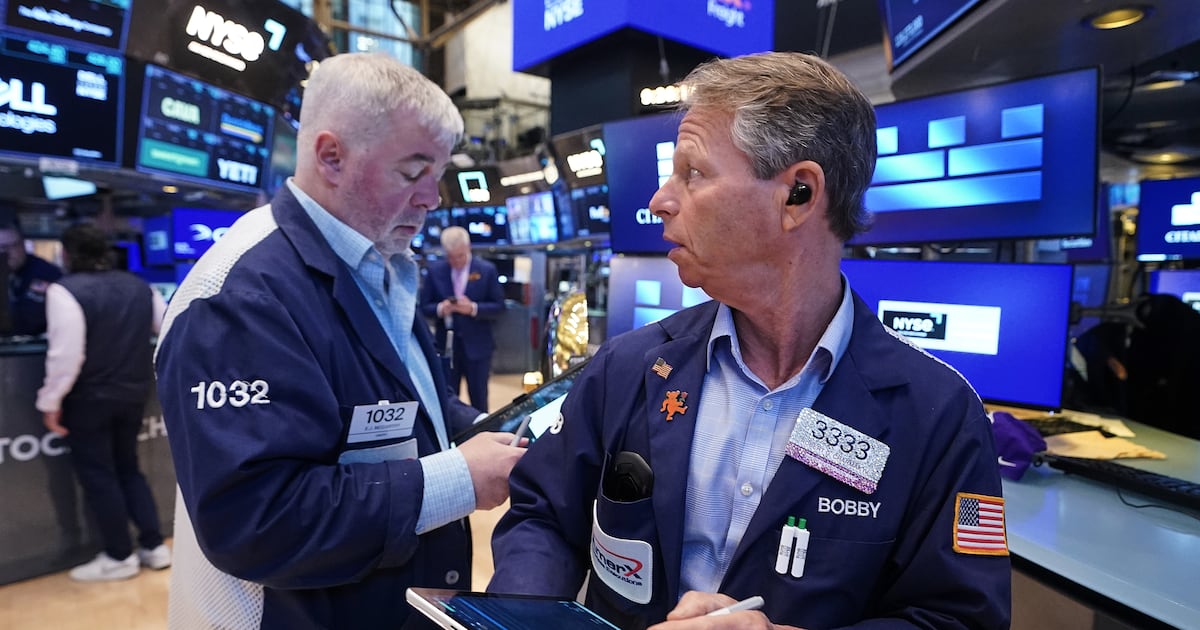
President Trump offered a surprisingly muted reaction, expressing confidence in Warsh despite acknowledging a rate hike "keeps our country down." The Dow Jones Industrial Average slumped over 500 points, or 1%, with the S&P 500 and Nasdaq also slipping 1.2% and 1.4% respectively, as markets reacted to the hawkish outlook and lack of forward guidance. Jeffrey Roach, chief economist for LPL Financial, compared this shift to Alan Greenspan's minimalist FOMC statements.