News
Alan Greenspan · Central Banking · Fed Policy · Financial Crisis
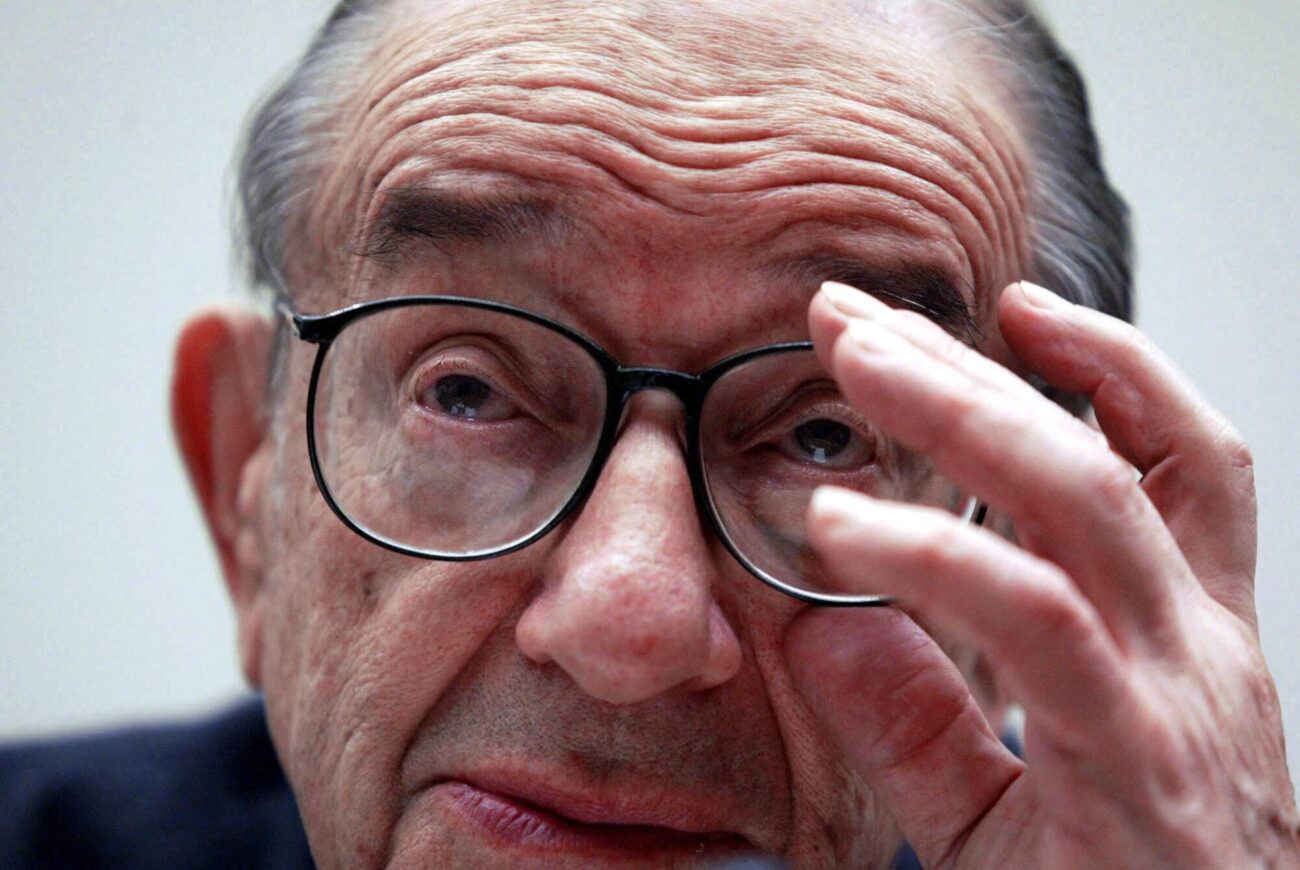
Alan Greenspan's 18½-year tenure as Federal Reserve chairman, initially lauded by figures like Nobel Laureate Milton Friedman, faced an austere reappraisal following the 2008-09 global financial crisis, fundamentally recasting his once-unparalleled influence over American finance and commerce.
Greenspan, who began life as a shy, only child of a single mother, transcended the central banker role, exercising extraordinary influence over American finance and commerce and enjoying unparalleled global stature during a period of remarkable prosperity. This period saw him hailed by former colleagues and Nobel Laureate Milton Friedman as the greatest central banker of all time upon his departure in 2006.
However, by the time of his death at age 100, the devastating 2008-09 global financial crisis had irrevocably shattered his aura of technocratic omnipotence. Just two years after his retirement, the profound financial crisis triggered a severe and critical re-evaluation of his entire record, challenging the very foundations of his previously celebrated views on economic management.
Greenspan's Fed Legacy Reappraised Post-2008 Crisis(current)