News
:max_bytes(150000):strip_icc()/GettyImages-72077391-0787e356aae1402891e6fd4c490ac605.jpg)
Gold · Investment Psychology · Precious Metals · Store Of Value
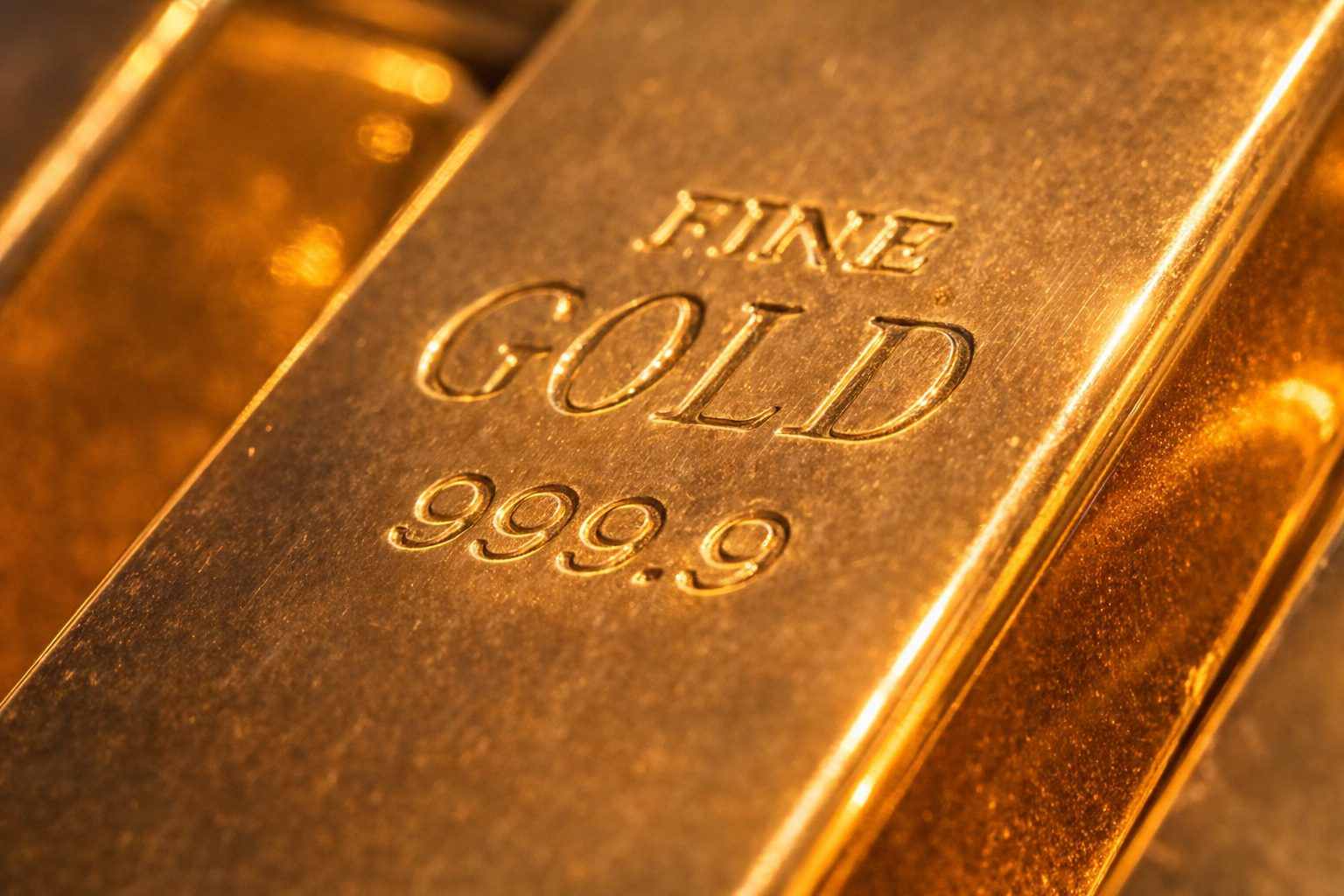
Gold's enduring value stems from a unique blend of its physical properties, psychological appeal, and collective human trust, maintaining its role as a store of wealth and practical asset across millennia, with prices reaching nominal record highs above $2,700 per ounce in 2024.
The article, referencing Investopedia, explains that gold's appeal transcends pure economics, rooted in human psychology, cultural value, and collective trust. It has served as a medium of exchange, store of value, jewelry, and symbol of power across civilizations from Egyptians to the Chinese Han dynasty.
Gold's physical properties—lustrous quality, relative scarcity, durability, and malleability—reinforce its perceived value, making it rare enough to be precious but abundant enough for commerce. Despite arguments against its intrinsic value, gold's role in electronics, medicine, and aerospace adds practical utility.
Central banks, including the U.S. with over 8.1 metric tons, continue to hold vast reserves, and surveys show younger investors have significant interest, demonstrating its evolving yet persistent relevance in the digital age. Gold's price fluctuations, like the 1980 peak (equivalent to $3,300 today) and late 1990s dip below $300, reflect both economic conditions and human sentiment.
Gold's future sees it coexisting with digital currencies, leveraging technology for accessibility while maintaining its fundamental appeal as a psychological anchor during uncertainty.