
News

Brent Crude · Geopolitics · Oil Market · Supply Surplus
Brent crude prices rose to $64.1 per barrel, reversing a downward trend, as geopolitical events including Venezuela's leadership change, new US sanctions on Iran, and Ukraine war stalled peace talks added a $4-$7 per barrel risk premium, while a global supply surplus capped further increases.
OPEC+ confirmed its decision to pause production increases for the first quarter of 2026, despite leading agencies like the IEA, EIA, and BNEF forecasting a growing supply surplus of 3.8 million bpd, 2.12 million bpd, and 3.2 million bpd respectively. Non-OPEC+ producers, including the United States, Canada, Brazil, and Guyana, achieved record output in 2025.
US-EU tensions over Greenland, with potential 10% to 25% tariffs, threaten to reduce global oil demand growth and exacerbate the surplus. The geopolitical premium is the primary driver of recent price increases, redirecting sanctioned oil exports to China and shifting market sentiment towards a bullish outlook.
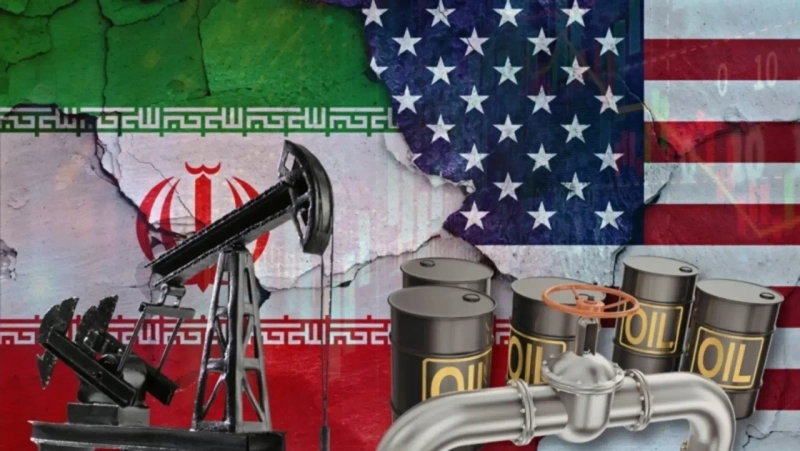
Venezuela's oil industry requires an estimated $100 billion investment to rebuild, with production costs ranging from $45 to $65 per barrel. Iran's 4.2 million bpd production, representing 4% of global output, faces uncertainty from US tariffs and threats.
ABN AMRO maintains an unchanged outlook due to high uncertainty, but the market remains highly sensitive to geopolitical developments. The supply glut is expected to expand throughout 2026, with OPEC+ likely to continue halting production increases to reclaim market share.
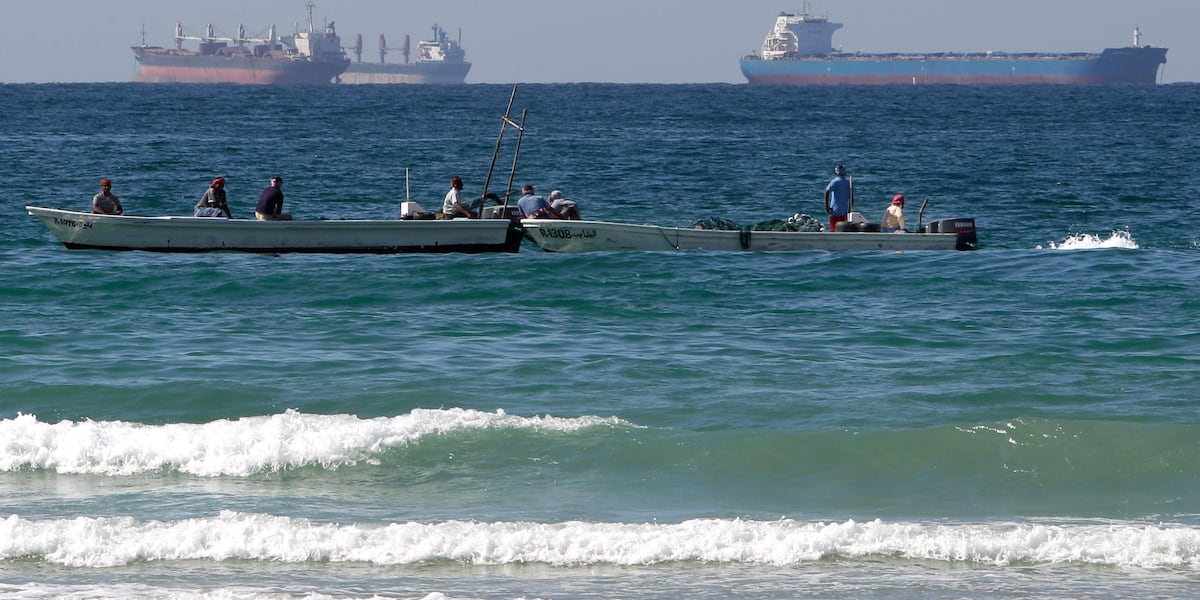
Escalating Middle East tensions could cause oil prices to surge by 50% if the Strait of Hormuz closes, while US-EU trade disputes will significantly alter the demand outlook.

:max_bytes(150000):strip_icc()/130-55e67ef741424d1fb9ef7a902204e17d.png)