News
Circular Economy · Clean Tech · Critical Minerals · EV Battery Recycling
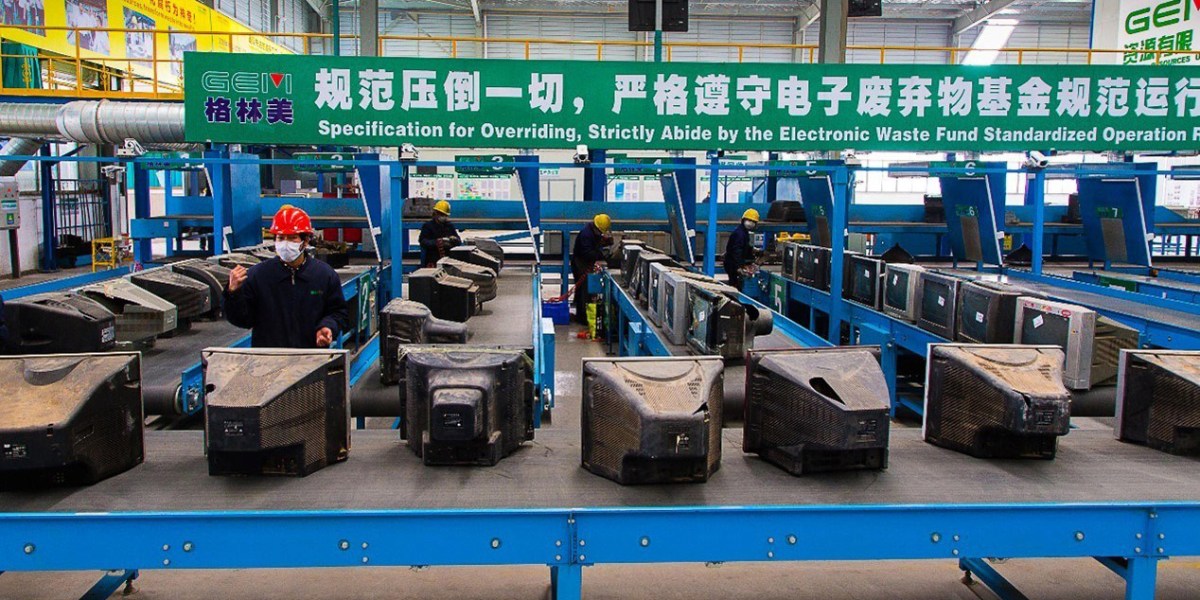
Chinese recycling giant GEM, founded in 2001, recycled over 17,000 tons of EV batteries in 2022, representing more than 10% of China's retired EV batteries, by repurposing them or extracting critical minerals like over 90% of lithium.
GEM, or Green Eco-Manufacture, leverages two decades of experience in battery and electronics recycling, operating "urban mines" to extract minerals such as lithium, nickel, cobalt, magnesium, and tungsten. Its hydrometallurgical techniques are highly effective, extracting nickel from materials with less than 0.1% metal content.
The company reuses batteries with over 60% capacity in mopeds or street lamps, crushing the rest for mineral extraction. GEM has secured deals with over 650 auto companies and EV battery makers, including Mercedes-Benz and Toyota, for battery recycling.
The battery recycling industry is projected to triple from $17.3 billion in 2022 to $54.3 billion by 2030, according to market analysts, driven by the surge in EV sales and the retirement of first-generation EV batteries. GEM's revenue grew 52% in 2022, primarily from selling materials for nickel-cobalt-manganese batteries.
The company is expanding globally with plants in South Korea, Indonesia, and South Africa, and is exploring European sites, aiming to benefit from incentives like the US Inflation Reduction Act. GEM also plans to capitalize on China's export restrictions on germanium and gallium by growing its recycling business for these rare minerals.