News

Competitiveness · Energy Prices · European Industry · Industrial Policy
European industrial electricity prices have hardened into a structural competitiveness risk, with 2023 EU industrial electricity prices 158% higher than in the United States, significantly impacting energy-intensive sectors and shaping investment decisions across the continent.
This issue is no longer a temporary aftershock of the 2022 energy crisis, as retail prices for industry remain two to four times higher than key trading partners, according to the European Commission. An analysis by Compass Lexecon for BusinessEurope confirms energy and climate-related costs will impact competitiveness beyond the current decade.
Energy-intensive sectors like steel, aluminum, chemicals, glass, and paper face squeezed margins, reduced operating rates, and production unit closures. Policymakers in Brussels now frame high energy costs as a competitiveness challenge.
National responses are fragmented, with Germany proposing a subsidized industrial electricity price by early 2026, subject to EU state-aid approval, and Italy implementing an "Energy Release" mechanism at €65/MWh, which the European Commission deemed not state aid. This lack of a coordinated European framework risks permanent market distortions.
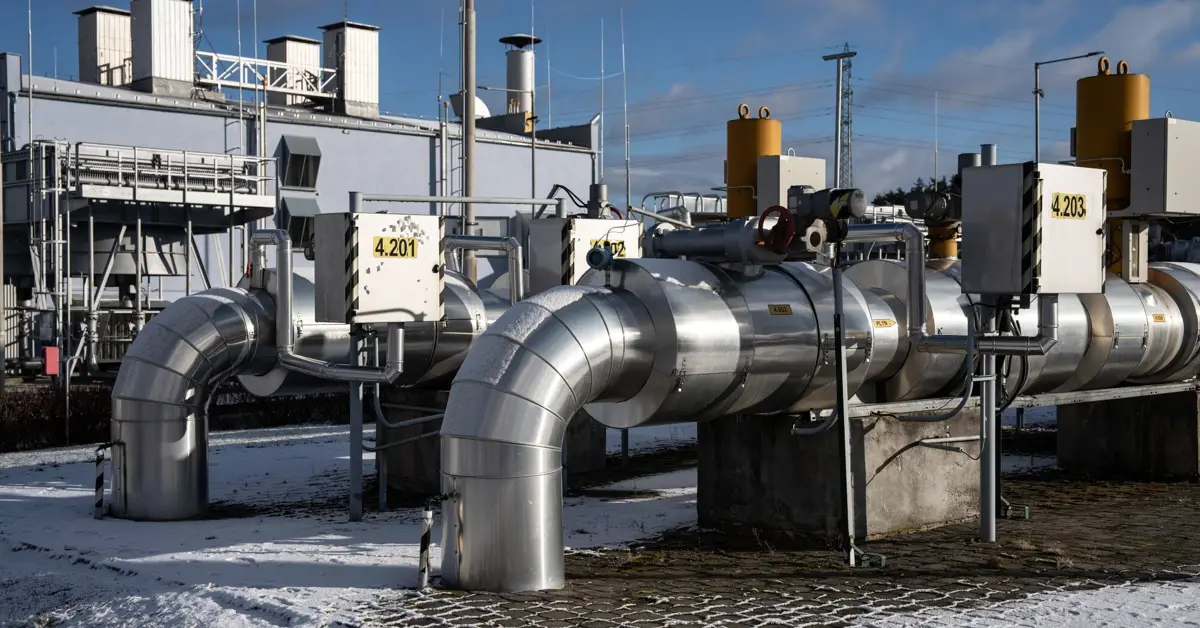
European natural gas prices rose as the escalating conflict in the Middle East heightened concerns over LNG availability.