News
China · Ethnic Policy · Geopolitics · Human Rights
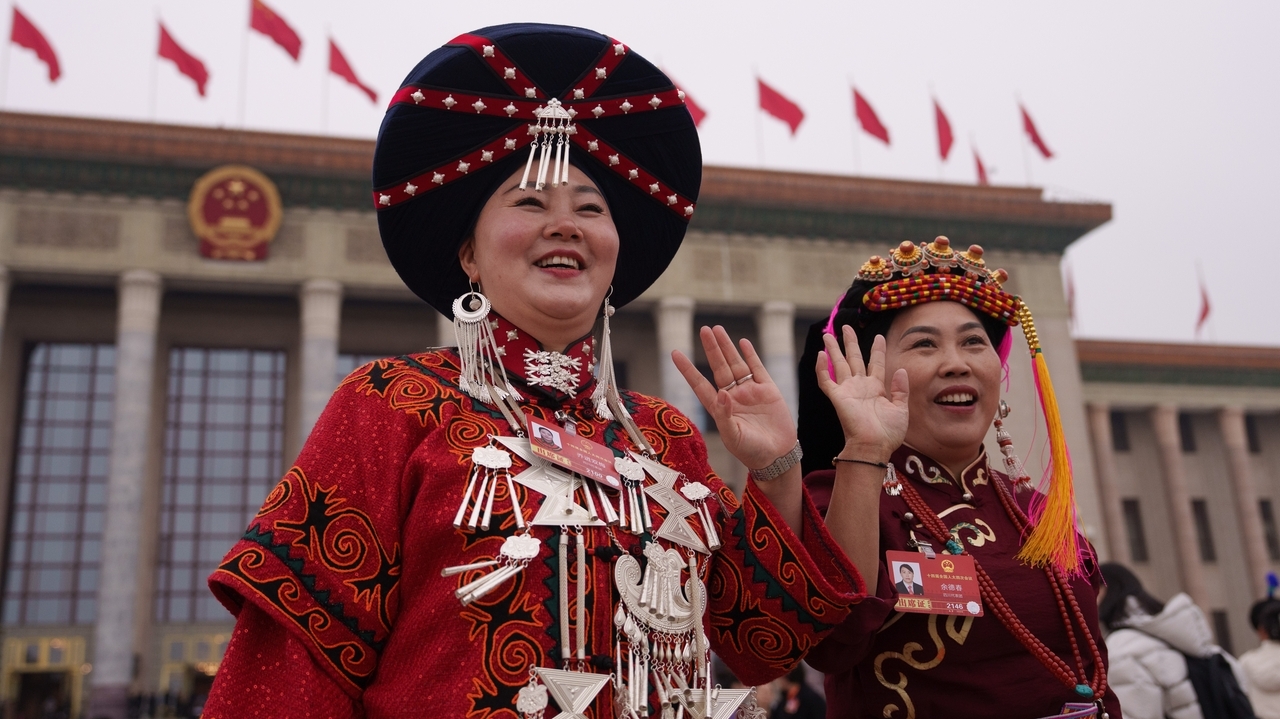
China has enacted a new "ethnic unity" law, effective March 12, 2026, which critics argue will accelerate the assimilation of its 55 ethnic minority groups, comprising 8.9% of its 1.4 billion population.
The legislation mandates Mandarin Chinese as the primary language of instruction in all compulsory education, effectively curtailing the use of native tongues previously allowed under regional autonomy laws. Experts, like James Leibold, view this as a significant rollback of promises for meaningful autonomy, marking a "capstone" in President Xi Jinping's revised ethnic policies.
The law also promotes "mutually embedded community environments," potentially leading to the dispersal of minority-heavy neighborhoods. Furthermore, the new law establishes a legal framework to prosecute individuals and organizations globally for actions deemed detrimental to "ethnic unity," mirroring clauses in Hong Kong's National Security Law.
This provision raises serious human rights concerns, particularly for groups like the Uyghurs, who have faced extensive detention and incarceration. The international community and investors should monitor potential geopolitical ramifications, including increased scrutiny, diplomatic tensions, or sanctions, as China expands its legal reach and intensifies its assimilation efforts.