News
Federal Reserve · Kevin Warsh · Market Volatility · Mortgage Rates
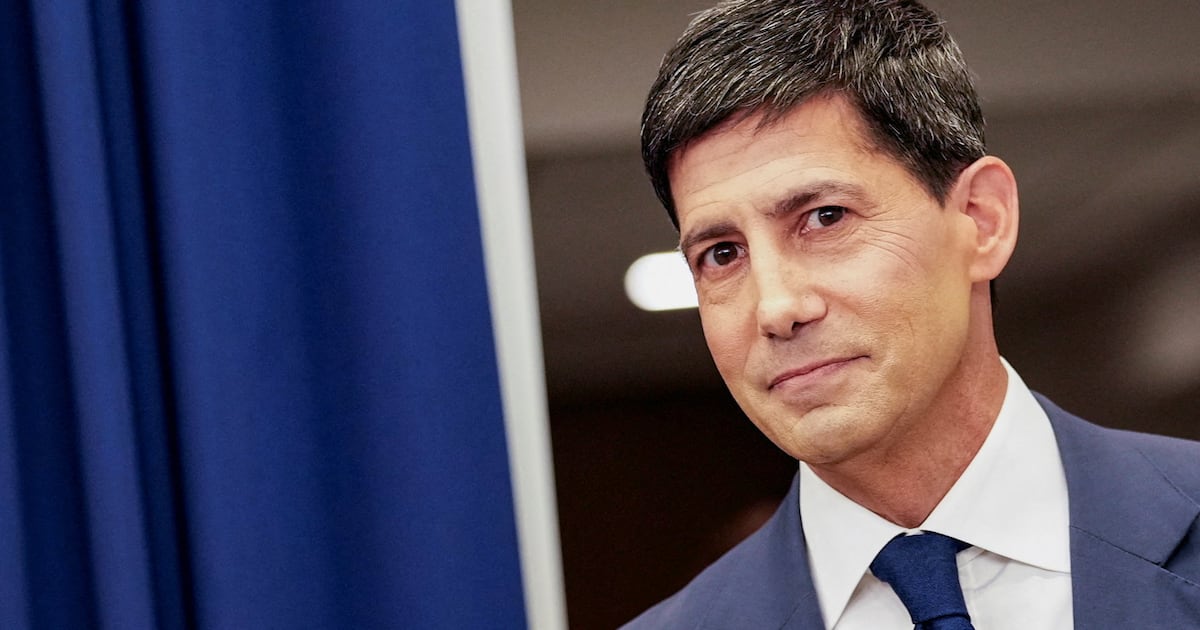
Federal Reserve Chair Kevin Warsh implemented a new communication framework, significantly reducing forward guidance and omitting his personal dot plot, which experts at UMortgage and Cotality state will increase market volatility and mortgage rates due to added uncertainty.
Warsh's hawkish stance, including a revised Personal Consumption Expenditures (PCE) inflation estimate to 3.6% from 2.7% and nine policymakers anticipating rate hikes, signals higher-for-longer mortgage rates in the near term. The Federal Open Market Committee (FOMC) statement was halved, removing forward guidance and the voting roster, a radical approach Warsh believes encourages markets to price based on real economic data rather than Fed signals.
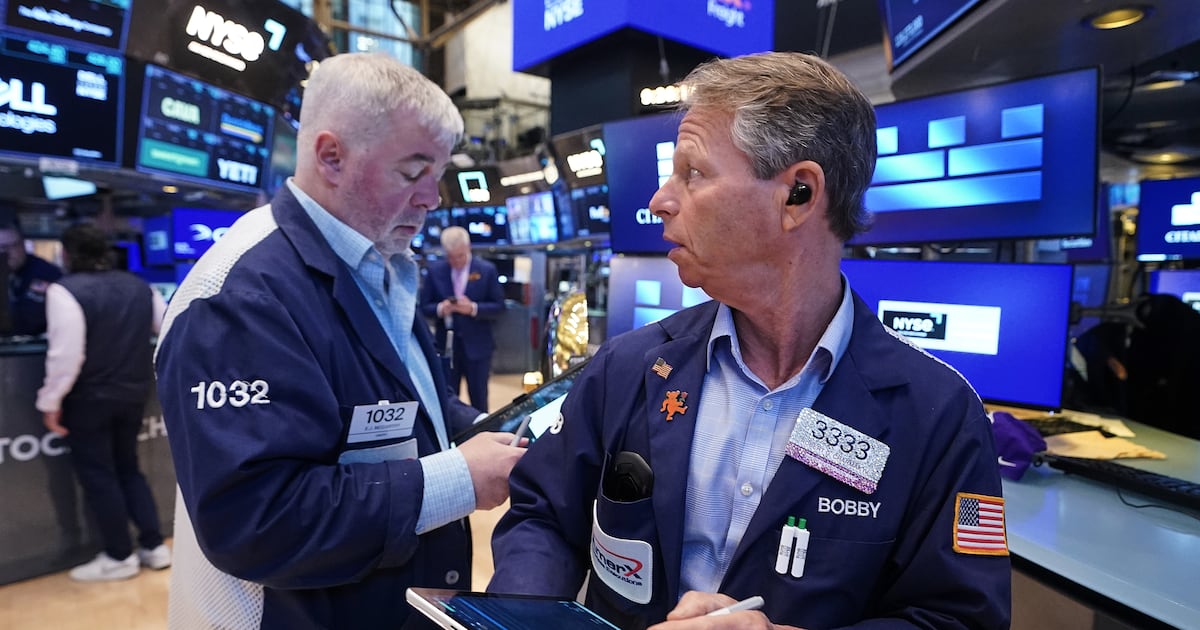
Nash Paradise, director of sales at UMortgage, and Selma Hepp, chief economist at Cotality, both warn this lack of guidance creates an "uncertainty premium" leading to higher mortgage rates. Market repercussions included a 13 basis point jump in the 2-year Treasury yield and a 5 bps rise in the 10-year yield, though the 30-year yield dipped 1 bps.
Bank of America's Jeana Curro noted mortgage spreads did not meaningfully uptick, but acknowledged rate hikes could negatively impact mortgages. Paradise argues a Fed funds rate increase could ultimately benefit mortgage rates by signaling inflation control, noting the current 220 basis point spread between the 10-year yield and 30-year mortgage rate offers room for tightening.
Regarding the Fed's $1.9 trillion mortgage-backed securities (MBS) portfolio, Bank of America expects continued runoff with reinvestment into Treasuries, not active sales, though Wells Fargo analysts state the probability of outright MBS sales has increased under Warsh. Warsh also initiated an internal overhaul, establishing five task forces to enhance Fed operations, data utilization, and inflation measurement, as noted by Marty Green, principal at Polunsky Beitel Green.