
News
Crime · Economy · Organized Crime · Venezuela
Venezuelan security officials announced a 25.1% decline in crime indicators compared to 2023, a figure corroborated by the Venezuelan Violence Observatory (OVV), but this reduction stems from the country's severe economic crisis and criminal underworld reconfigurations rather than effective state responses.
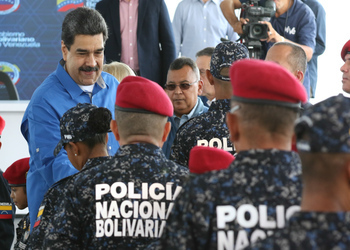
The Venezuelan government, including President Nicolás Maduro, attributes the decrease to large-scale security operations and improved citizen security, citing a 25% reduction in crime. However, the OVV and InSight Crime identify mass criminal migration and the monopolization of violence by non-state armed groups as primary drivers.
Venezuela's economic collapse has diminished opportunities for traditional crimes like extortion and kidnapping, forcing gangs such as Tren de Aragua, Yeico Masacre, and The Meleán to expand operations into other Latin American countries, causing crime spikes there. Furthermore, groups like the National Liberation Army (ELN) have established territorial control and extortion monopolies in regions like Apure state, creating a false sense of security by reducing competition among criminals.
The government's narrative control is evident as it stopped publishing official security data in 2015, and reported crime reduction figures have been inconsistent (25%, 24%, 16%). With elections approaching, the Maduro government leverages these unverified statistics to boost its popularity.