News

Geopolitics · Middle East · Oil Sanctions · US-Iran Deal
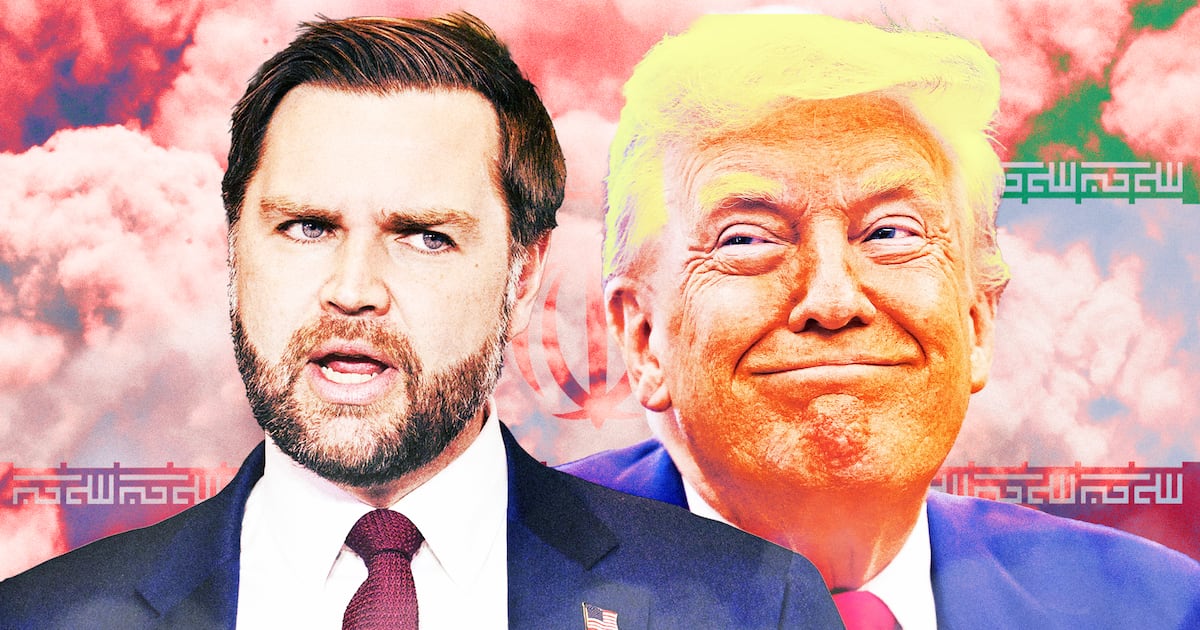
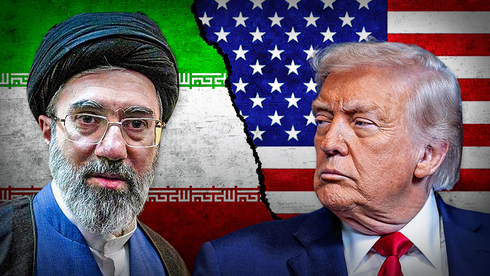
Vice President JD Vance publicly criticized Israeli officials for personally attacking President Trump over a US-Iran memorandum of understanding, which requires Israel to cease strikes on Hezbollah and grants Iran significant financial relief without immediate denuclearization commitments.
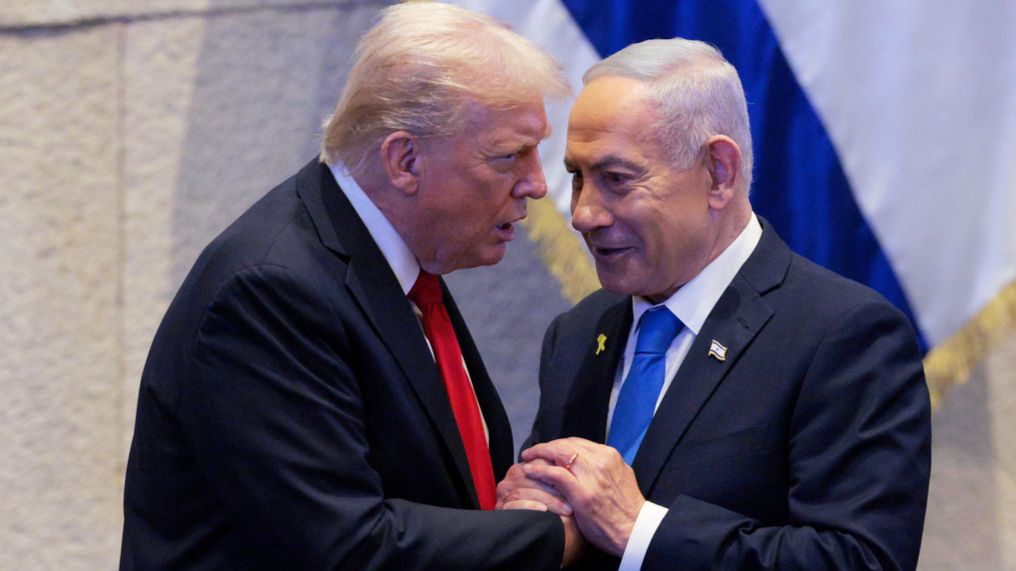
Vance asserted Trump is Israel's sole powerful ally, providing two-thirds of its defensive weapons, and warned against alienating him. The MOU, signed Wednesday evening, ignited a "political firestorm" in Israel, with commentators branding it a "catastrophic capitulation" and "betrayal" of Israeli security interests.
Israeli Minister of Diaspora Affairs Amichai Chikli acknowledged Trump's friendship but stressed Iran's nuclear threat is an "existential issue" for Israel, fearing Iran will use new cash flow to fund regional proxies. Former Israeli National Security Adviser Major Gen.
Yaakov Amidror stated the US "paid with cash and got a letter of intent with many ambiguities," while Ambassador Yechiel Leiter warned Iran would use ballistic missiles. The agreement opens a 60-day negotiation window for denuclearization without tangible steps, calls for a unilateral Israeli-Hezbollah ceasefire, and does not limit Iran's ballistic missile stockpile.
The US waived sanctions on Iranian oil and lifted a naval blockade, providing Tehran with desperately needed cash flow before negotiations began. Critics, including Beni Sabti from Tel Aviv University, view the deal as "very bad for the West, very good for Iran," raising concerns about regional instability fueled by Iran's increased financial resources.