News

Airlines · Antitrust · Merger · Regulation
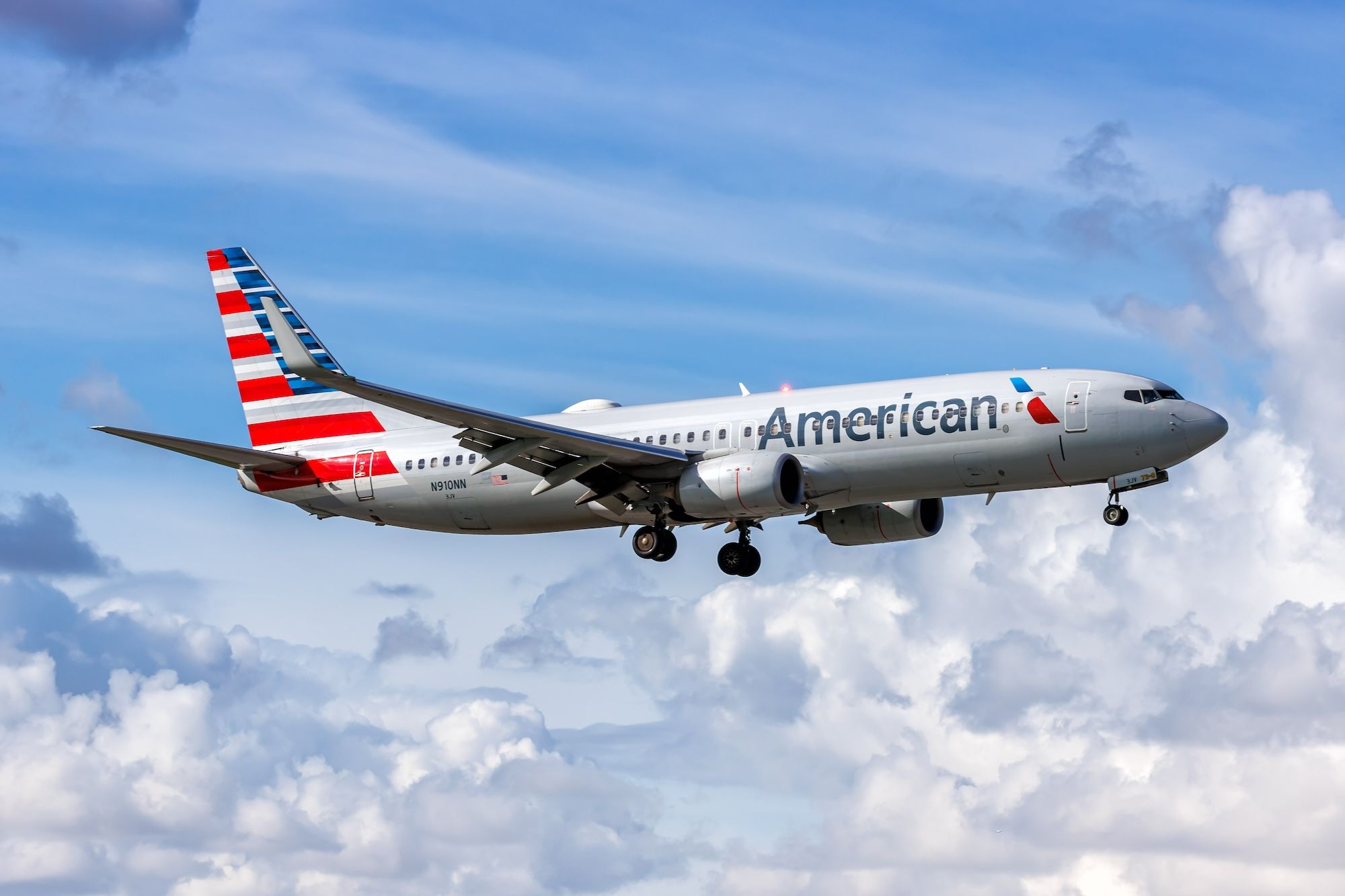
United Airlines CEO Scott Kirby proposed a merger with American Airlines to President Trump on February 25, aiming to create an airline controlling over a third of the U.S. domestic market, a move facing significant skepticism and antitrust hurdles.
The proposal, made during a White House meeting, was met with skepticism from a person close to the administration, Reuters reported. A combined United and American would command over 34.1% of the U.S. domestic market (United 16.7%, American 17.4%), intensifying regulatory scrutiny in an already consolidated industry where four major carriers control 70%.
Shares of American surged nearly 8% and United rose about 2% following the report, reflecting investor optimism. However, recent regulatory actions, including the Biden Justice Department's successful challenge of JetBlue's Spirit takeover in 2024 and the termination of the American-JetBlue Northeast Alliance in 2021, demonstrate the difficulty of securing approval.
William Kovacic, former FTC chair, called the idea "extremely far fetched" due to "overwhelming regulatory obstacles" and head-to-head competition in many markets, predicting "upward pressure on prices" and "less service" for consumers. Michael Boyd, CEO of Boyd Group International, views the proposal as a "trial balloon" given the immense logistical and political hurdles.