News

Airline Capacity · FAA · O'Hare · United Airlines
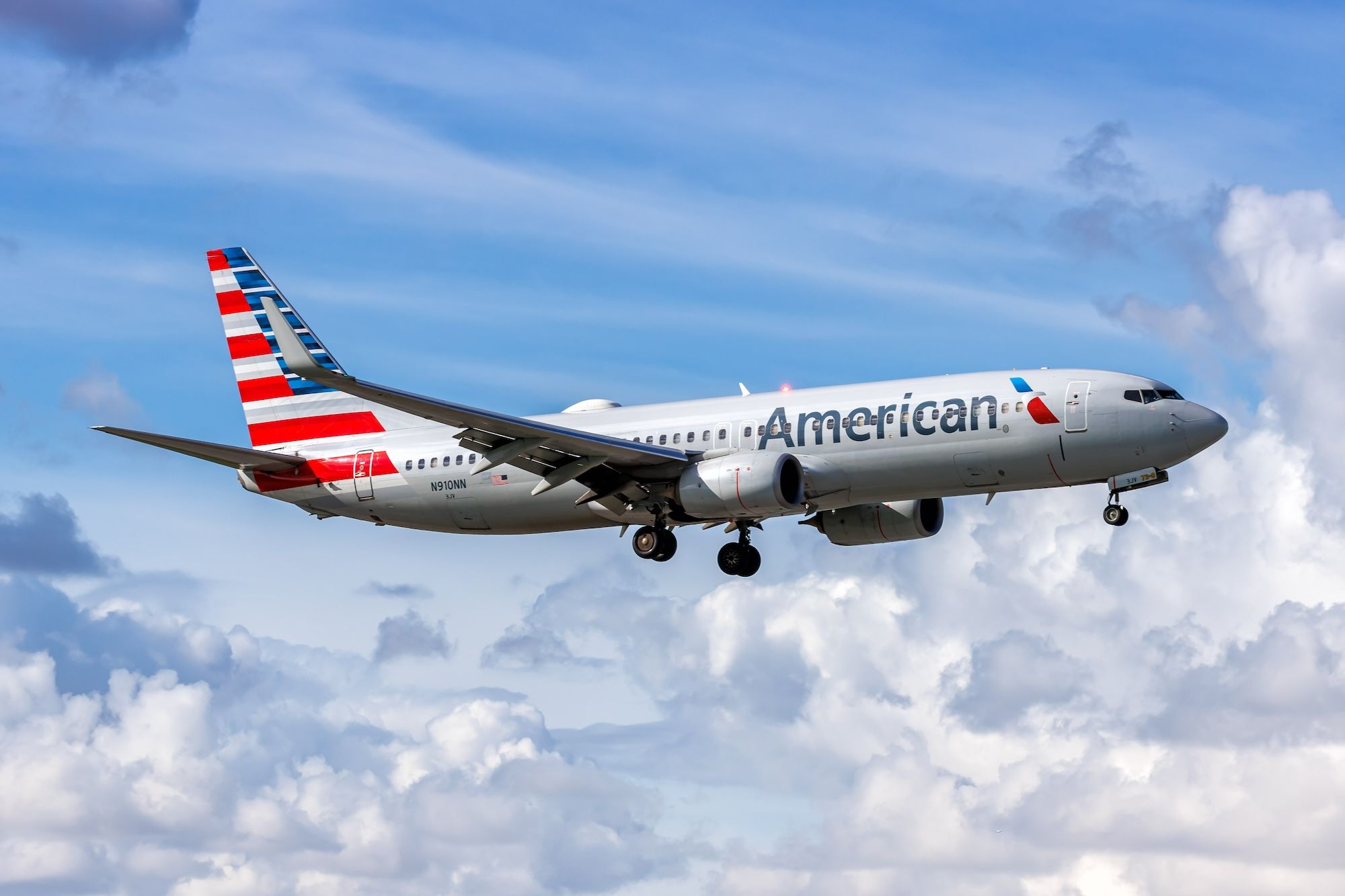
The Federal Aviation Administration (FAA) intervened to cap flights at Chicago O’Hare International Airport (ORD) at approximately 2,800 daily operations this summer, addressing an unsustainable surge in scheduled flights driven by a market-share battle between United Airlines and American Airlines.
United Airlines, headquartered in Chicago, planned to operate around 750 daily departures this summer. American Airlines aimed for over 500 daily departures, adding roughly 100 additional flights, as it rebuilt its O’Hare hub.
American openly criticized United’s scheduling strategy as “reckless scheduling,” CBS reported, claiming United overschedules to secure gates and squeeze competitors. A major trigger was the City of Chicago’s 2024 gate reallocation, which granted United additional gate access.
O’Hare, unlike slot-controlled airports, relies on gate usage agreements, incentivizing airlines to schedule many flights to retain gates. O’Hare is vulnerable to congestion due to intersecting runways, ongoing terminal construction, heavy reliance on connecting traffic, and dense airline hub operations.
The FAA issued a Federal Register notice, warning that 3,080 daily operations on peak days, compared to approximately 2,680 last summer, would stress airport systems. The FAA convened a "scheduling reduction meeting" on March 4, 2026, and will impose the 2,800 daily operations cap if airlines do not voluntarily cut schedules.
This intervention is not new, with the FAA addressing O'Hare capacity constraints since 2004 under Federal Docket FAA-2004-16944.