News
Economic Coercion · Global Instability · Tariffs · US Trade Policy
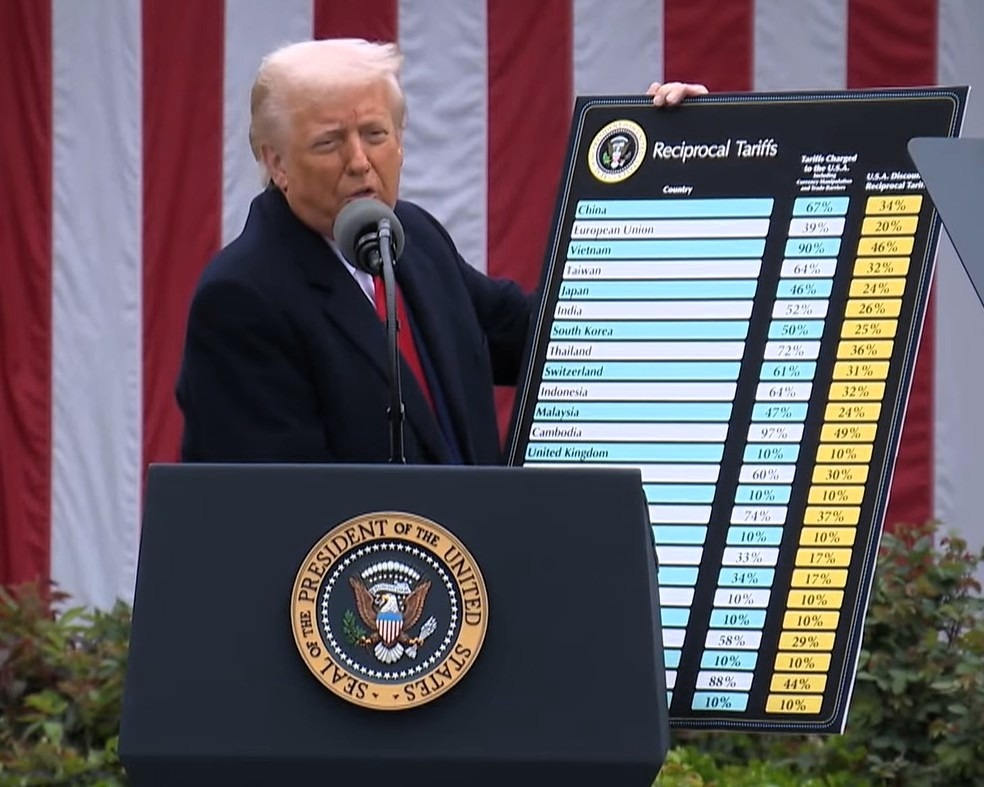
Donald Trump's administration is weaponizing tariffs, transforming them from legitimate tools for fair trade into instruments of economic coercion, a policy shift that threatens to undermine the global economic order and significantly erode US soft power influence worldwide.
This approach, mirroring China's use of trade for political objectives, decouples tariffs from their World Trade Organization (WTO) purpose of addressing unfair trade practices like anti-dumping or subsidized imports. Trump's administration has threatened or imposed tariffs on dozens of nations, including Canada, Mexico, China, Denmark, Taiwan, and the European Union, often citing non-economic issues or questionable national security claims, such as illegal migration and drugs.
This radical departure from the US-led post-war rules-based trade order sends a message that the US is no longer a trusted partner, alienating allies like Canada, a close military ally. Economically, American consumers bear the cost of these tariffs, as studies show they paid for Trump's 2018 tariffs.
For example, the 25 percent steel import tariff created 1,000 jobs in steel production but resulted in a loss of 75,000 manufacturing jobs downstream due to increased input costs. This strategy risks the US losing soft-power acumen and trust from partners, potentially playing into Moscow-Beijing ambitions to undermine the US and its allies across military, economic, and diplomatic domains.
US-China Trade War Escalates, Recession Risk Rises
Trump's Tariffs Undermine US Economy, Global Trust(current)