News

Cuba · Geopolitics · Sanctions · Trade
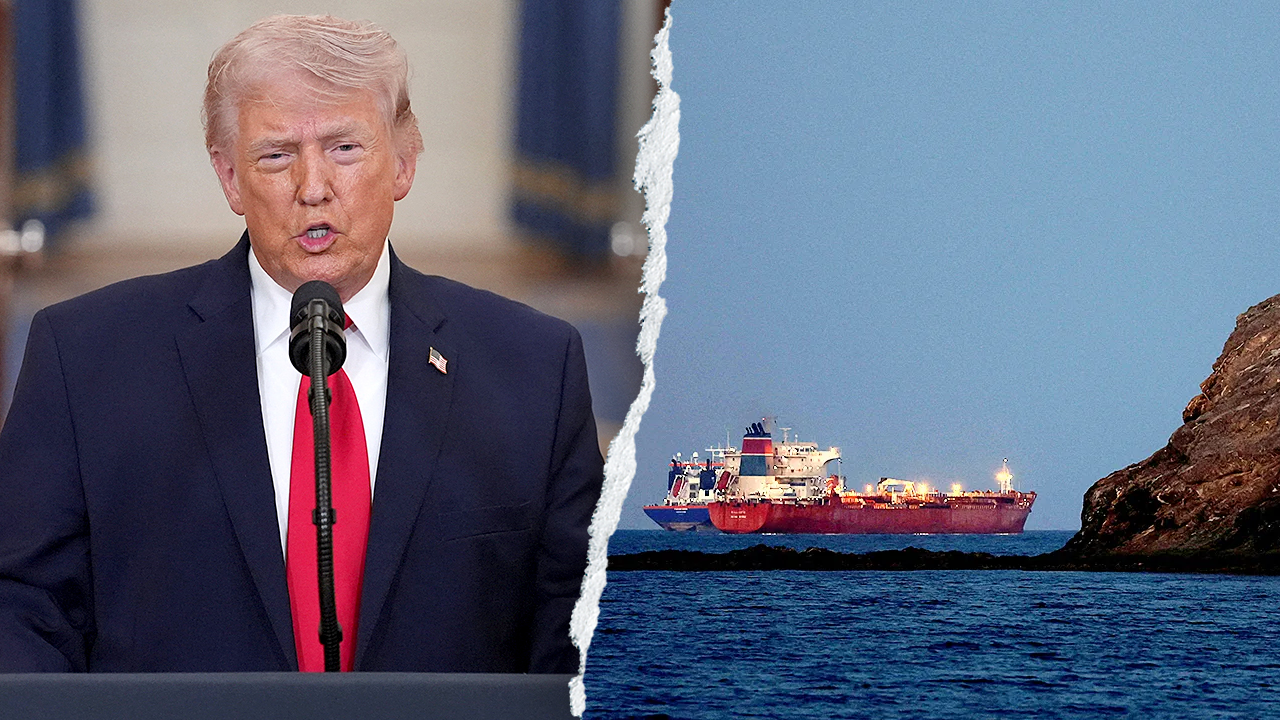
The Trump administration's escalating pressure, including an all-but-declared naval siege, has collapsed trade with Cuba, with foreign-originating tankers falling to zero in March 2026 from an average of 50 per month in 2025, severely impacting the island's 11 million residents.
This aggressive stance follows the successful ousting of Venezuelan President Nicolás Maduro and aims to force regime change, with President Donald Trump stating he expects to "take Cuba" soon. Despite the U.S. not reapplying export restrictions loosened during the Biden administration—which saw U.S. agricultural exports to Cuba soar to $490 million in 2025—the de facto blockade has caused massive blackouts and a breakdown in medical care due to a lack of fuel.
Maritime intelligence firm Windward reported only 11 port calls in March, all domestic. Companies and countries are self-policing to avoid U.S. sanctions, as noted by John Kavulich of the U.S.-Cuba Trade and Economic Council.
While the State Department sent $3 million in humanitarian aid and allowed U.S. companies to send fuel to private Cuban businesses, critics like John Felder of Premier Automotive Export deem the latter strategy unrealistic given Cuba's economic structure.
Trump's Naval Siege Collapses Cuba Trade, Economy(current)