
News
Energy Prices · Geopolitics · Iran · Strait Of Hormuz
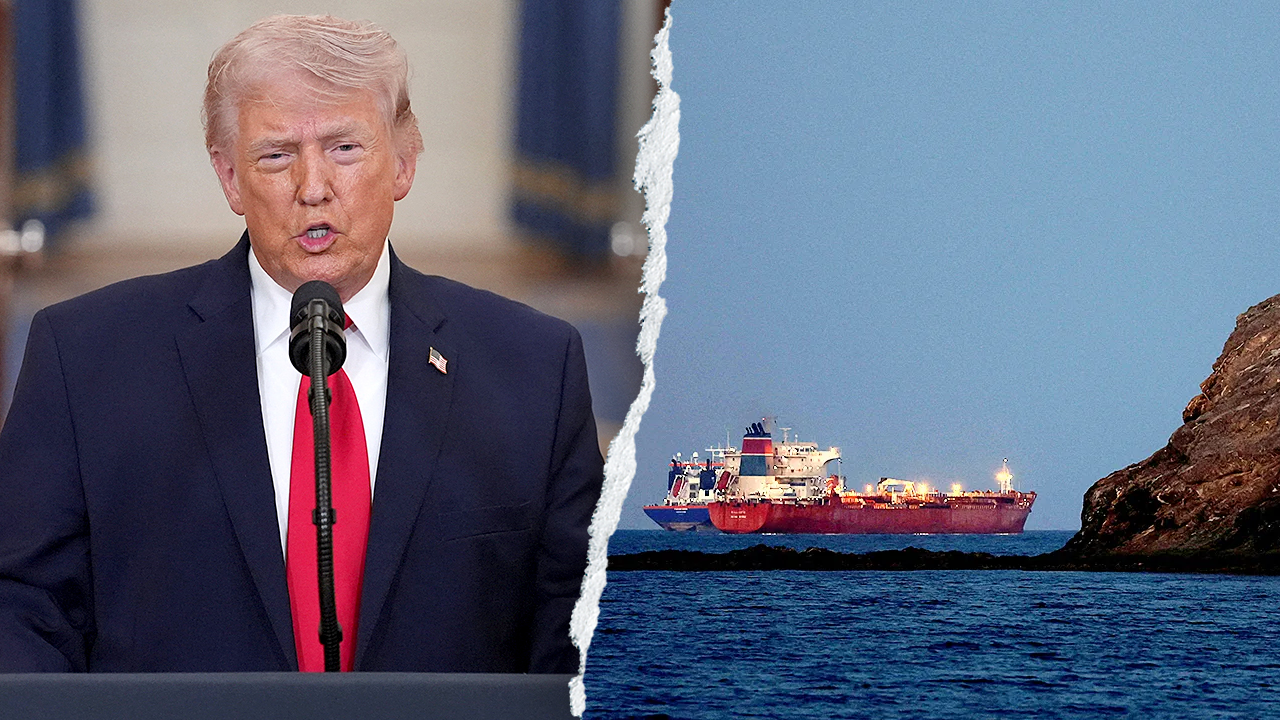
President Donald Trump issued a fresh ultimatum to Iran, demanding the immediate reopening of the Strait of Hormuz by an 8 p.m.
ET deadline, threatening US military strikes on critical infrastructure like power plants and oil wells if the demand is ignored, which has already caused global oil and gas prices to surge. This warning follows weeks of escalating threats and missed deadlines, including previous threats to "obliterate" power plants and Kharg Island, Iran's main oil export hub.
The Strait of Hormuz is a critical maritime passage, transporting approximately 20 million barrels of oil and one-fifth of global liquefied natural gas daily. Iranian officials, including Ali Mousavi, have publicly denied engaging in talks with the US, despite Trump's claims of "productive" conversations and requests for ceasefire.
The US Navy is requesting $3 billion to replenish Tomahawk missiles, indicating recent military engagement. The escalating tensions directly impact global energy markets, with disruptions in the Strait of Hormuz already causing significant increases in oil and gas prices worldwide, including diesel prices topping $8 a gallon in San Francisco.
Political figures like Senator Chuck Schumer criticize Trump's Iran policy, while others like Senator Lindsey Graham express concerns about a potential Iran deal. The situation underscores the volatility of geopolitical events on commodity markets.
Trump Ultimatum to Iran Roils Global Energy Markets(current)


