News
Construction · Housing Affordability · Mortgage Market · Regulatory Reform
President Trump signed two executive orders targeting housing affordability, a critical issue ahead of November elections.
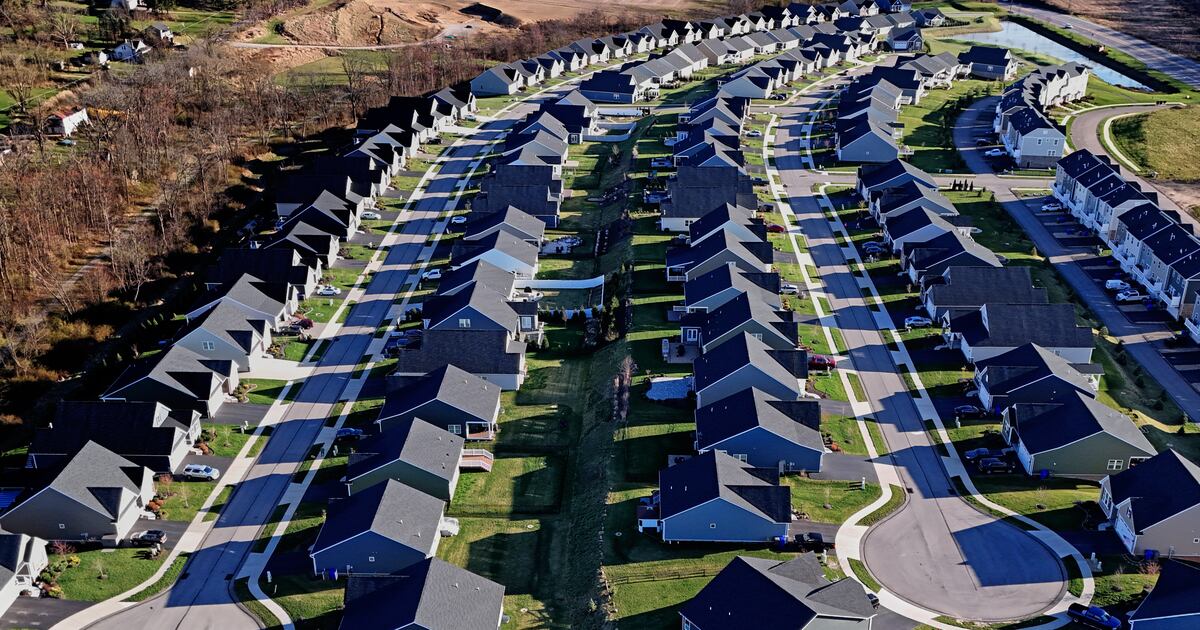
The first order aims to reduce federal housing regulatory burdens and incentivize state and local governments to adopt best practices, such as faster permitting and fewer "green" building codes, to boost construction. Federal agencies like EPA, HUD, and Commerce are directed to review and eliminate regulations increasing costs or restricting development, with officials citing Biden-era mandates potentially adding $9,000 to construction.
The second order streamlines the mortgage process, directing the CFPB to update guidelines to ease lending for smaller banks and reduce regulatory burdens under the Home Mortgage Disclosure Act. The administration believes this will increase competition among lenders, lowering borrowing costs. While the White House expects mortgage regulation changes to impact homebuyers within months, the broader effect on new construction and overall housing costs is less certain and longer-term, given the significant role of state and local policies and market-driven interest rates.
The current housing market faces a multiyear construction shortage, high median prices ($398,000, nearly five times median income), and elevated mortgage rates (6.05% in February). Trump's approach also reveals a tension: while seeking to boost ownership, he has previously expressed a desire to maintain high home prices to preserve existing owners' wealth.