News

Energy · Geopolitics · Oil Prices · Strait Of Hormuz
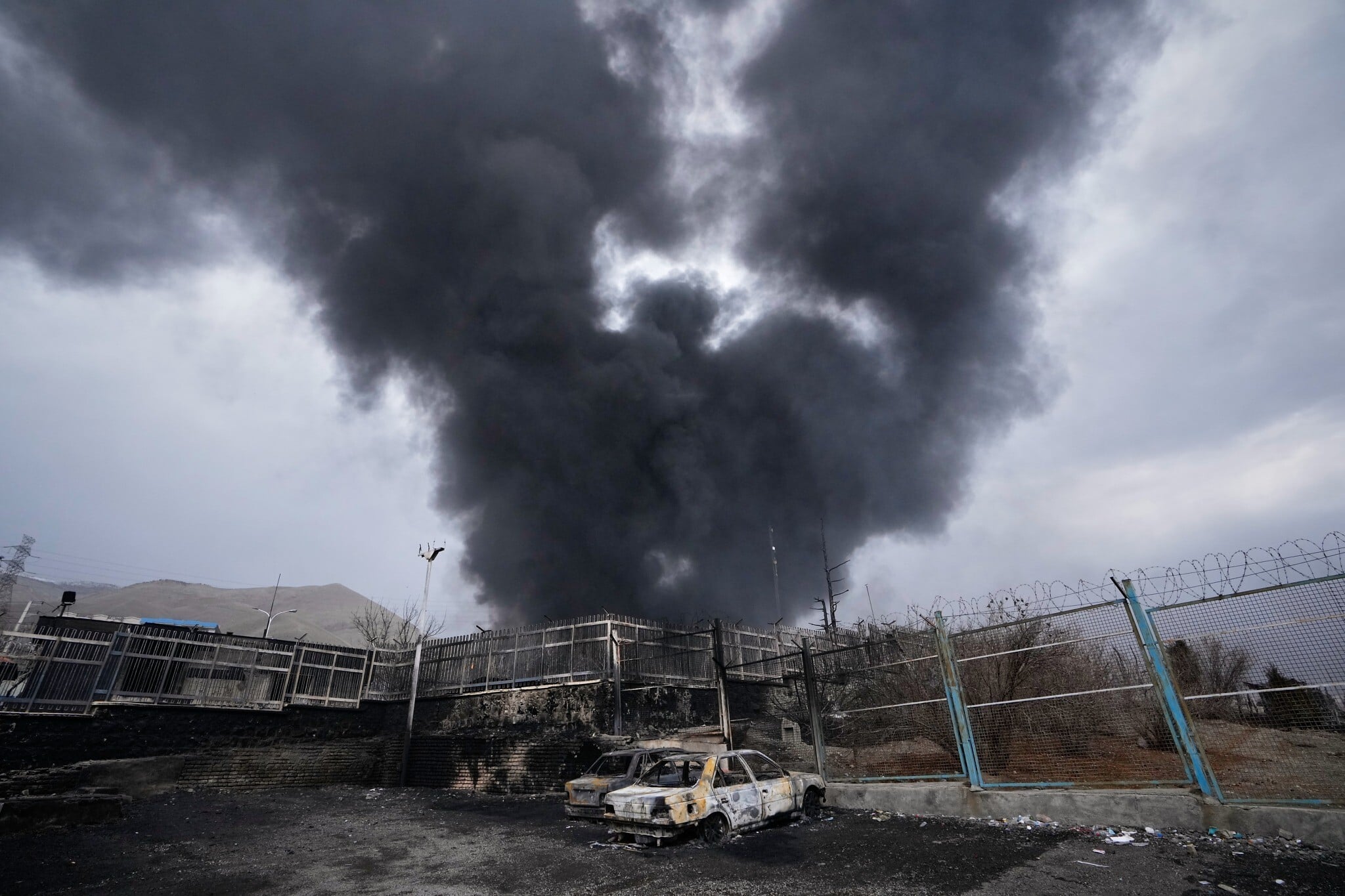
The escalating conflict in Iran has severely disrupted global energy markets, leading to significant oil and gas production shutdowns in Iraq, Kuwait, and Qatar due to the effective closure of the Strait of Hormuz.
This critical chokepoint's closure is forcing producers to halt operations as storage fills, with experts warning of a "silent killer" effect where production capacity can be permanently lost, leading to a long-term increase in the floor price of energy. In response, the U.S. government is stepping in to stabilize markets by offering subsidized insurance for maritime reinsurance, including war risk, through the DFC, and preparing potential naval escorts for tankers in the Persian Gulf.
Despite these efforts, the U.S. oil benchmark has surged above $90 per barrel, a nearly 60% increase year-to-date, with gasoline prices up over 60 cents from January lows. Asian and European economies, heavily reliant on Middle Eastern energy, face even more dramatic impacts.
While Saudi Arabia attempts to reroute some exports via the Red Sea, the vast majority of regional energy exports depend on the Strait. The risk of further escalation, including mining the Strait or targeting infrastructure, poses a severe threat, potentially causing months or years of repair and maintaining a significant risk premium on energy prices even after de-escalation.