Araverus
NewsMarketsResearch
News
HeadlinesThreadsAtlas
© 2026 Araverus
AboutContactPrivacyTerms

Araverus does not provide financial, investment, or trading advice. All content is for informational purposes only. Full disclaimer

  1. News
  2. /
  3. Markets
  4. /
  5. Logistics

PepsiCo Scales Driverless Trucks, Boosts Supply Chain Efficiency

Araverus Team|Monday, June 8, 2026 at 9:30 AM

PepsiCo Scales Driverless Trucks, Boosts Supply Chain Efficiency

Araverus Team

Jun 8, 2026 · 9:30 AM

Autonomous Trucking · Gatik · PepsiCo · Supply Chain Automation

Autonomous TruckingGatikPepsiCoSupply Chain Automation

Key Takeaway

This strategic deployment positions PepsiCo for significant long-term operational efficiency gains and cost reductions within its supply chain, directly impacting its profitability and competitive standing. This means increased pressure on traditional logistics and trucking sectors to adopt similar automation, potentially disrupting established business models and accelerating the shift towards autonomous solutions for predictable routes. For labor markets, it means a continued re-evaluation of roles in transportation, with a focus on retraining and new skill development as repetitive tasks become automated.

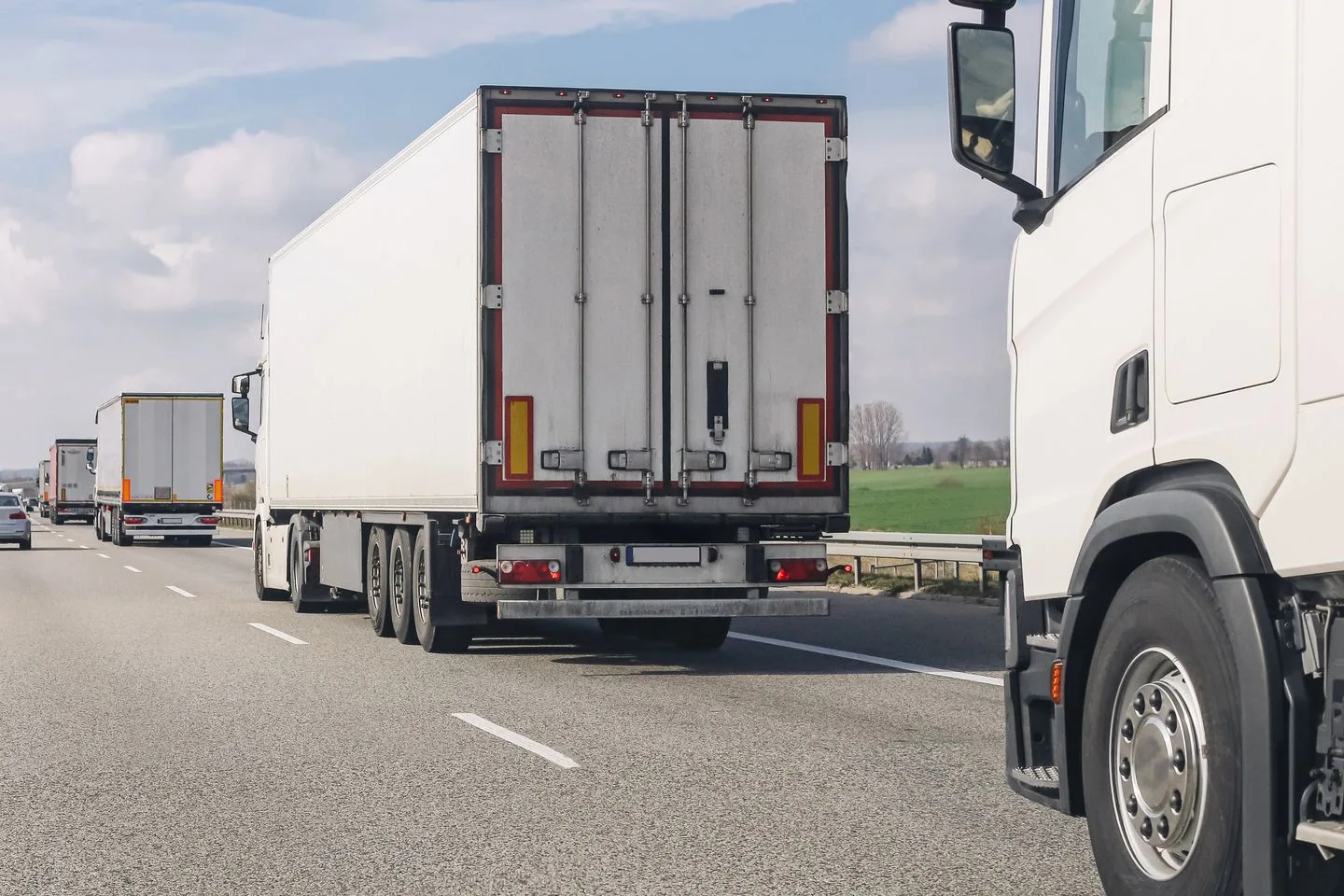
PepsiCo, in partnership with autonomous-truck startup Gatik, now operates 41 driverless trucks across Arizona, Texas, and Arkansas, becoming the first major U.S. consumer-goods company to deploy large-scale autonomous trucking on public roads, achieving 99% on-time arrival.

This initiative, built with Gatik using Isuzu Motors' medium-duty and heavy-duty box trucks equipped with cameras, radar, and lidar, follows years of testing with human safety drivers before going fully driverless in June 2025. PepsiCo reports zero accidents on public roads to date.

The company's push is driven by a hunt for reliability and lower labor costs, addressing a tightening pool of human truck drivers and their operational limitations. Gatik's strategy focuses on predictable "middle mile" repetitive short hauls, such as a 14-mile loop between a Gatorade plant and storage facility, where efficiency gains compound.

PepsiCo plans to expand these short-haul trips and locations, freeing up human delivery drivers for sales roles and filling gaps during peak seasons. Gatik has secured $600 million in multiyear contract revenue and operates over 20 trucks for Loblaw in Canada.

However, this automation raises labor concerns, with PepsiCo expecting to hire fewer drivers over time and the Teamsters union actively opposing the rollout. Regulatory uncertainty also exists, as there are no federal laws governing autonomous vehicles, and a patchwork of state rules or a single high-profile accident could impede expansion.
Read More On

Driverless Trucks Are Here—and They’re Delivering Bags of Doritoswsj.comPepsiCo Now Runs 41 Driverless Trucks Hauling Doritos - Business Model Analystbusinessmodelanalyst.comPepsiCo deploys 41 autonomous delivery trucks running Gatik self-driving tech across Arizona, Arkansas, and Texas - Diggdigg.comPepsiCo is now delivering Doritos and soft drinks to stores using driverless trucks - The Independentindependent.co.ukPepsiCo rolls out driverless trucks to deliver chips, soda to stores - WNTZ-TV FOX 48cenlanow.com

Related Articles

Markets★★★Similarity: 64% · 15d ago

America’s Four-Year Trucking Slump Is Finally Over

Freight rates are climbing after hundreds of thousands of carriers were driven out of the industry by low earnings, new regulations.

Tech★★Similarity: 55% · 12d ago

The Job That AI Was Supposed to Kill Needs More Humans Than Ever

Court reporters outmatch the technology in skill, but their profession faces another crisis: a shortage of workers.

Markets★★★Similarity: 54% · 11d ago

SpaceX’s Retail-Powered Debut Helps Steady Shaky Markets

A crucial element in SpaceX’s soaring IPO was the army of do-it-yourself traders who bought some $118 million of SpaceX stock on the first day of trading.

Politics★★★Similarity: 54% · 10d ago

How the Pentagon Plans to Fix Its Pricey Missile Problem

The U.S. military is asking defense contractors to cut years off production time and slice hundreds of millions of dollars in costs.