Araverus
NewsMarkets
News
HeadlinesThreads
© 2026 Araverus
AboutContactPrivacyTerms
News/Politics/Policy

Pentagon Seeks $200 Billion; Congress Faces Scrutiny

Araverus Team|Thursday, March 19, 2026 at 7:34 PM

Pentagon Seeks $200 Billion; Congress Faces Scrutiny

Araverus Team

Mar 19, 2026 · 7:34 PM

Congressional Funding · Defense Spending · Iran War · National Debt

Congressional FundingDefense SpendingIran WarNational Debt

Key Takeaway

The Pentagon's $200 billion funding request signals increased defense spending, but faces significant political hurdles. This means potential short-term volatility for defense sector stocks as the congressional debate unfolds, while the broader market watches for implications on national debt and fiscal policy. Prolonged debate means uncertainty for government contractors and a potential drag on overall economic sentiment due to fiscal concerns.

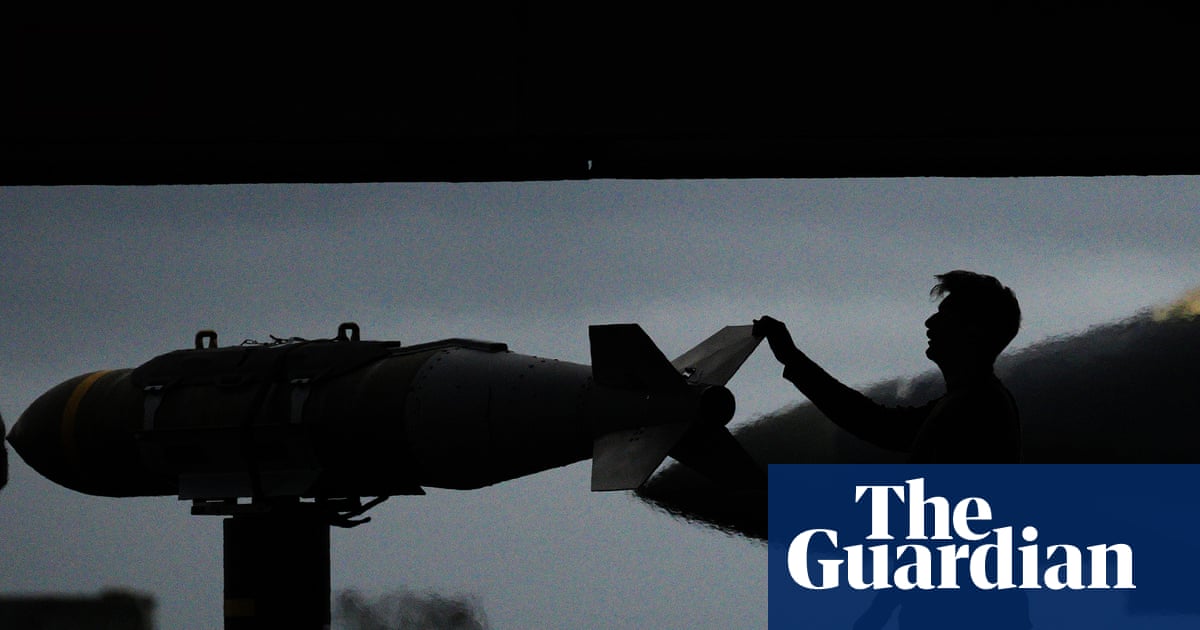
The Pentagon is seeking an additional $200 billion in funds for the Iran war and military readiness, a request sent to the White House that faces significant scrutiny and uncertain approval from Congress amid rising national debt and lawmaker unease.

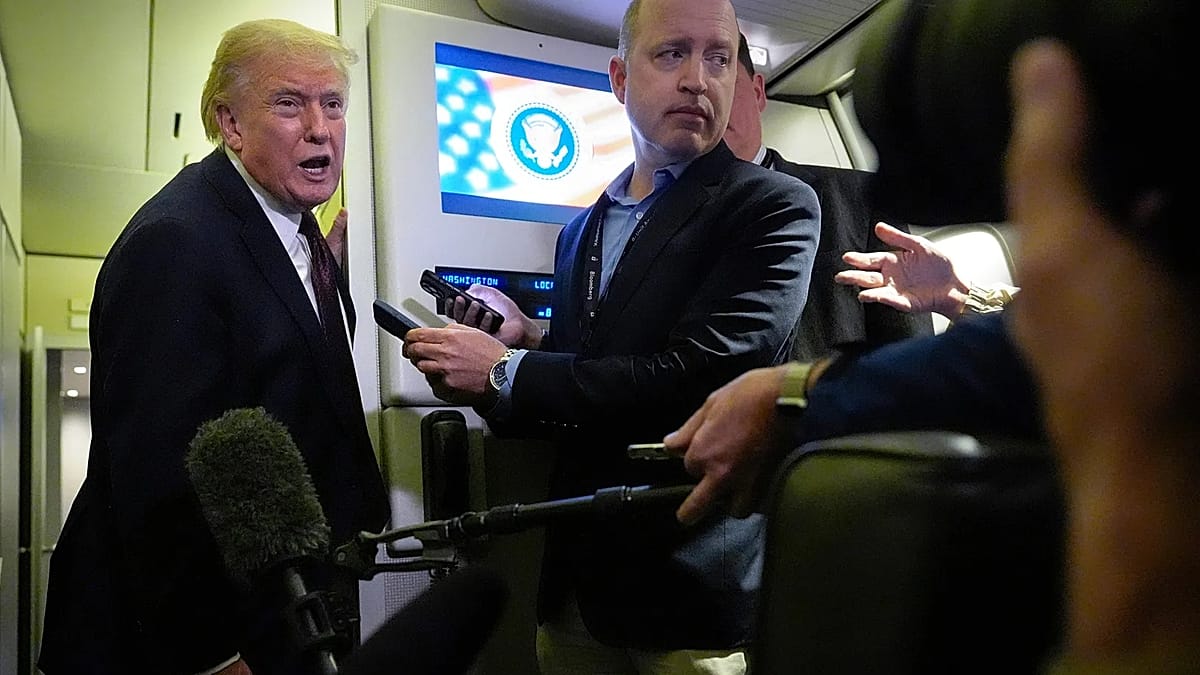
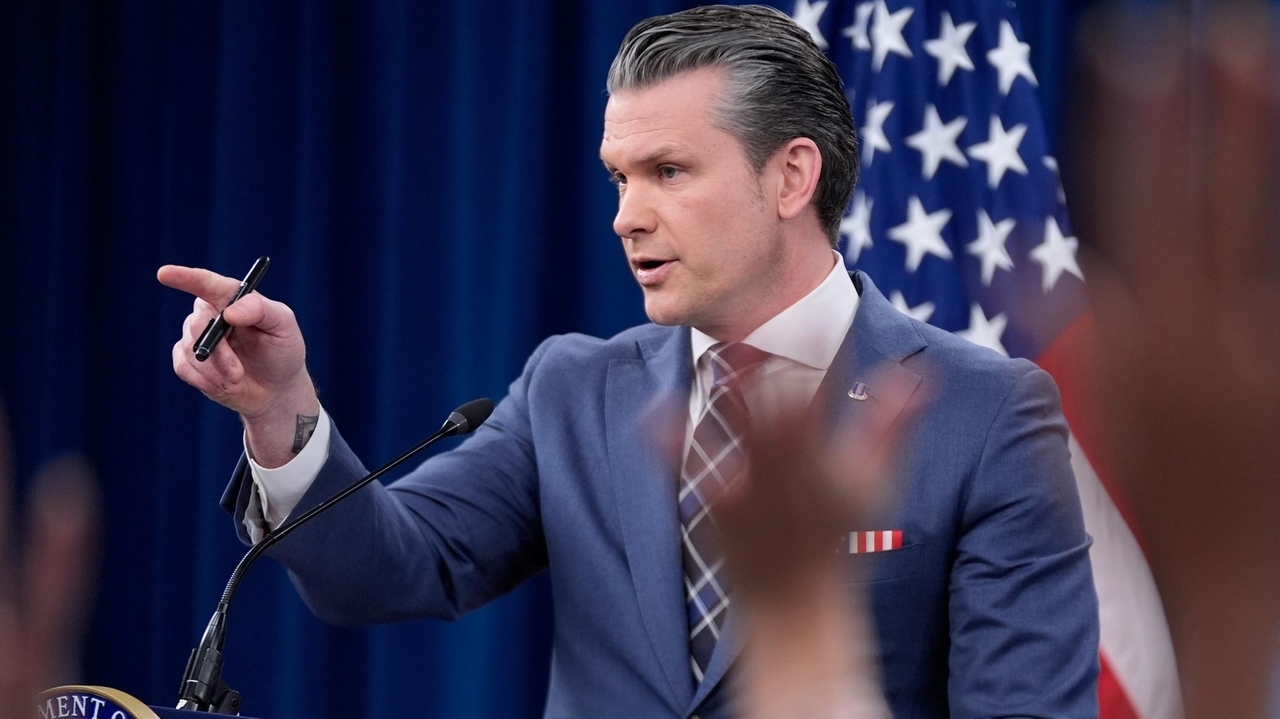
Defense Secretary Pete Hegseth confirmed the need for funding but did not directly confirm the $200 billion figure, stating it could change. President Donald Trump also indicated the funds are for broader global volatility, not solely Iran, calling it a "very small price to pay." This substantial request comes after the Defense Department already received $150 billion last year through Trump’s tax cuts bill.

The nation's debt has surpassed a record $39 trillion, and the Congressional Budget Office projects a $1.9 trillion annual deficit this year, even before this supplemental request. Congress, which has not authorized the war, shows growing unease with the military operation's scope and strategy.

While House Speaker Mike Johnson supports adequate defense funding, conservative Republican fiscal hawks and most Democrats express strong opposition. Rep.

Ken Calvert, Republican chair of the House subcommittee overseeing defense spending, advocates for replenishing munitions. However, Rep.

Betty McCollum, ranking Democrat on the same subcommittee, demands detailed plans and refuses to issue "blank checks," citing the administration's failure to explain previous $150 billion spending. Rep.

Rosa DeLauro, ranking Democrat on the House Appropriations Committee, called the $200 billion price tag "outrageous." House Majority Leader Steve Scalise confirmed negotiations with the White House on the final amount are ahead, indicating a bipartisan package will be necessary to overcome objections.

Read More On

Defense Secretary Pete Hegseth said the Pentagon planned to request money from Congress to pay for its war in Iran and replenish munitionswsj.comHegseth says no ‘timeframe’ for war on Iran as Pentagon asks for $200bn - Al Jazeeraaljazeera.comHegseth says potential $200 billion Iran war spending request could shift: 'Takes money to kill bad guys' - CNBCcnbc.comPentagon is said to seek $200 billion in additional funds for the Iran war - The Boston Globebostonglobe.comPentagon seeks more than $200 billion in budget request for Iran war - The Washington Postwashingtonpost.com

Related Articles

Politics★★★Similarity: 69% · 2d ago

Damian Paletta, The Wall Street Journal’s Washington coverage chief, answers reader questions about President Trump and the Iran war. Read more in today’s WSJ Politics Newsletter:

Plus, Trump’s advisers close ranks as signs of dissent emerge on the Iran war.
World★★★Similarity: 69% · 17h ago

Trump’s Iran War Frays Ties With Allies as Oil Prices Surge

Multiple countries are offering assistance but not on the scale that the White House wants.

Politics★★Similarity: 69% · 3d ago

Why Defense-Contractor Stocks Aren’t Rallying

War should result in higher military spending, but things aren’t so simple for the biggest weapons makers.

World★★★Similarity: 67% · 3d ago

U.S. Allies Rebuff Trump’s Demand for Help Opening Strait of Hormuz

Germany, Australia and Japan say they won’t be joining U.S. efforts, while the U.K. and France say they are willing to discuss options.