Araverus
NewsMarketsResearch
News
HeadlinesThreadsAtlas
© 2026 Araverus
AboutContactPrivacyTerms

Araverus does not provide financial, investment, or trading advice. All content is for informational purposes only. Full disclaimer

  1. News
  2. /
  3. Markets
  4. /
  5. Commodities Futures
Top Headline

Oil Surges as US-Iran Talks Canceled, Mideast Tensions Rise

Araverus Team|Friday, June 19, 2026 at 7:58 AM

Oil Surges as US-Iran Talks Canceled, Mideast Tensions Rise

Araverus Team

Jun 19, 2026 · 7:58 AM

Energy Markets · Geopolitics · Middle East · Oil Prices

Energy MarketsGeopoliticsMiddle EastOil Prices

Key Takeaway

Geopolitical instability in the Middle East directly means increased volatility for global oil prices. Canceled diplomatic efforts and escalating regional conflicts mean heightened risk premiums for energy markets and broader global equities. This situation means investors must closely monitor geopolitical developments for their direct influence on commodity prices and overall market sentiment.

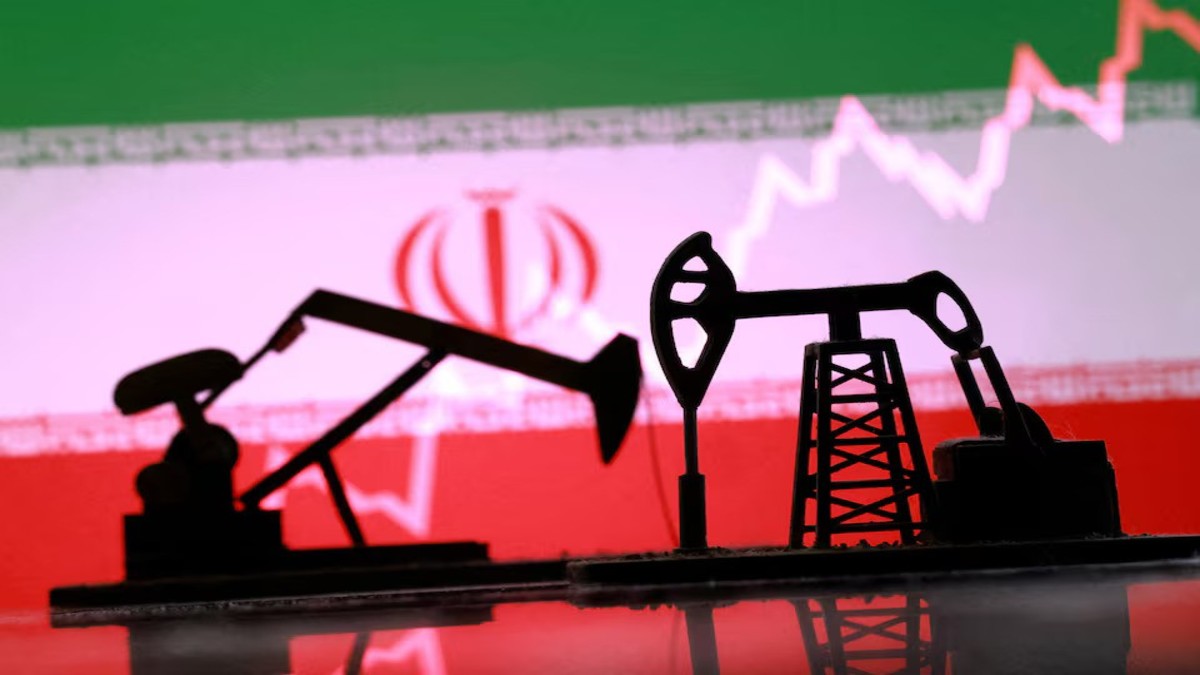
Brent crude futures surged above $80.11 per barrel as investors reacted to renewed geopolitical risks following the cancellation of planned US-Iran talks and fresh Israeli attacks in Lebanon, despite improving shipping conditions in the Strait of Hormuz.

The Swiss Foreign Ministry confirmed the discussion planned at Burgenstock was canceled after the White House announced US Vice President JD Vance would not depart for Switzerland, citing unresolved logistical details for expected technical talks with Iran. This cancellation raised concerns regarding the next phase of diplomacy after the US-Iran interim peace agreement, which previously ended a prolonged conflict and triggered significant supply disruptions.

Concurrently, Lebanon’s National News Agency reported Israeli bombing and artillery attacks on Nabatieh city and surrounding towns killed at least 24 people and wounded several others. However, these geopolitical risks were partially offset by signs of normalization in energy flows.

The US Central Command lifted restrictions on traffic to and from Iranian ports and coastal waters, while the Joint Maritime Information Center advised vessels to follow a route closer to Oman’s coastline to reduce mine risks. Tankers carrying previously stranded crude began exiting the waterway, and Kuwait announced it would begin increasing production.

This improved shipping outlook limited oil’s gains, with prices erasing nearly all increases recorded since the Middle East conflict began in late February and remaining on course for a sharp weekly decline.
Read More On

Oil Rises After Vance Postpones Travel to Switzerland For Iran Talkswsj.comOil rises as uncertainty mounts over US-Iran truce - Reutersreuters.comBrent rises after Vance warns Israel against breaking ceasefire - Reutersreuters.comOil and US dollar rising on news that Vance cancelled his trip to negotiate with Iran - investingLiveinvestinglive.comBrent rises after Vance warns Israel against breaking ceasefire, Money News - AsiaOneasiaone.com

Related Articles

Markets★★★Similarity: 79% · 2d ago

Oil Falls on Signs of Progress in U.S.-Iran Peace Talks Despite Challenges

Oil prices fell after mediators Qatar and Pakistan said the U.S. and Iran agreed on a roadmap aimed at reaching a final deal within 60 days.

Markets★★★Similarity: 78% · 6d ago

Oil Slides After Trump Signs Iran Deal, Boosting Supply Outlook

Oil prices fell more than 2% after Trump signed an agreement to end the Iran war and reopen the Strait of Hormuz.

Markets★★★Similarity: 78% · 4d ago

Iran Can Now Sell Oil. How Fast Can It Ramp Up?

The Washington-Tehran deal allows Iranian oil shipments on the open market for the first time since 2018.

Markets★★★Similarity: 77% · 11d ago

Why Oil Prices Haven’t Shot Through the Roof—Yet

The prospects for a peace deal, falling Chinese demand and some workarounds to the Strait of Hormuz closure have helped to stop the crude market from going haywire.