News
Crude Prices · Geopolitical Risk · Iran Deal · Oil Market
The oil market has prematurely priced a lasting peace following a US-Iran memorandum of understanding, driving Brent crude to $80 and WTI to $77, erasing nearly all of the 45% wartime premium built since February 28, despite significant geopolitical risks remaining unaddressed by the bilateral agreement.
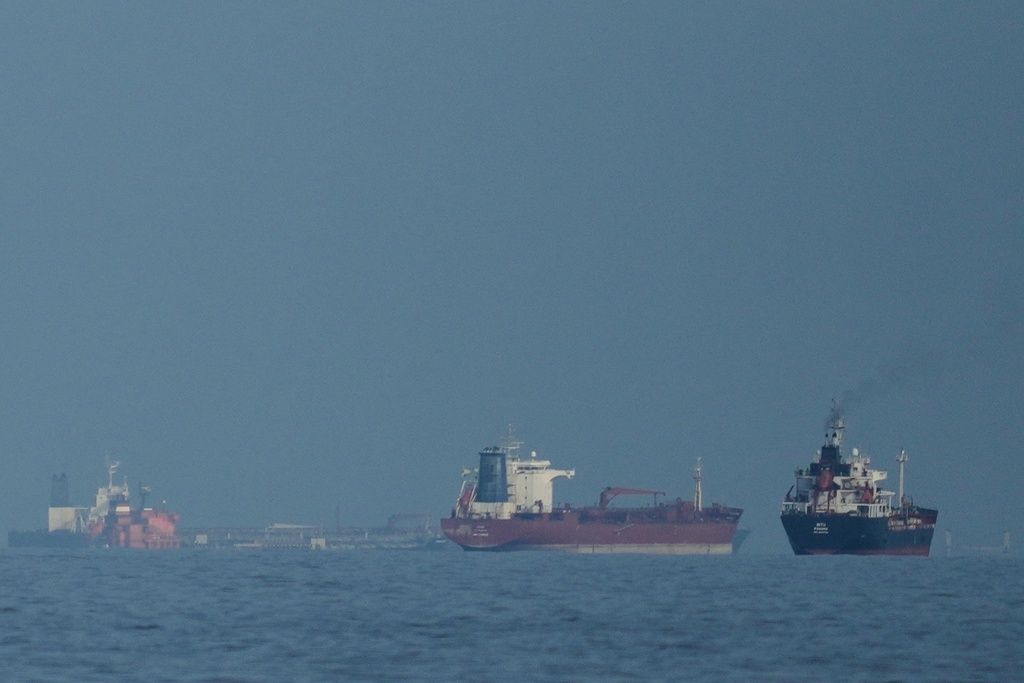
The article argues this market reaction is premature, as the deal is bilateral between the US and Iran, yet the conflict involves Israel and Hezbollah, who are not signatories. The Strait of Hormuz, crucial for a fifth of global crude, remains partially mined and its traffic is controlled by Iran's Islamic Revolutionary Guard Corps, with Iran disputing US claims of a toll-free opening.
Technical talks for a nuclear settlement have already failed, with Iran demanding Israel's withdrawal from Lebanon. This situation mirrors a failed "all-clear" pricing in April, when crude cratered 16% on a ceasefire announcement only to reverse sharply after Israeli strikes killed over 350 people in Beirut.
The author concludes that three unbound actors—Israel, Hezbollah, and Iranian hardliners—can easily disrupt the fragile peace, making the current $80 Brent price too cheap given the inherent risks.