News

Cluster Munitions · Geopolitics · Missile Test · North Korea
North Korea test-launched five upgraded surface-to-surface Hwasong-11 Ra ballistic missiles equipped with cluster bomb warheads, marking the second such test this month, as leader Kim Jong Un and his daughter observed, signaling an intensified effort to enhance capabilities against U.S. and South Korean defenses.
The official Korean Central News Agency (KCNA) reported the launches, which South Korea, Japan, and the U.S. detected Sunday off North Korea's east coast. Kim Jong Un expressed satisfaction, stating the launches are "of weighty significance in military actions to boost the high-density striking capability." An earlier test this month involved Hwasong-11 Ka missiles with cluster bomb warheads, capable of reducing a target area of 6.5-7 hectares (16 to 17.2 acres) to ashes.
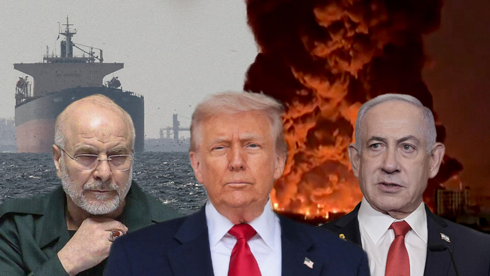
Observers note the ongoing Iran war likely prompted North Korea to showcase and accelerate its cluster munitions development, as these warheads scatter dozens of smaller bomblets across wide areas, making them difficult to intercept. While over 120 countries ban cluster munitions, North Korea, Iran, Israel, and the United States are not signatories.
Since the collapse of nuclear diplomacy with U.S. President Donald Trump in 2019, North Korea has expanded its nuclear arsenal and pursued high-tech weapons like multi-warhead nuclear missiles, hypersonic weapons, and submarine-launched ballistic missiles, which increase the prospect of defeating U.S. and South Korean missile defenses. Trump has expressed a desire to restore diplomacy, and Kim Jong Un has left open the door for dialogue, provided Washington drops demands for nuclear disarmament as a precondition.
North Korea's recent testing activities aim to increase its leverage in future dealings with the U.S., particularly as a Trump-Xi Jinping summit in May could provide a diplomatic opening with Pyongyang.