News
Geopolitics · North Korea · Nuclear Program · Sanctions
North Korea consistently accelerated its nuclear and missile programs from 2012 to 2019, conducting multiple nuclear tests and intercontinental ballistic missile (ICBM) launches, despite international sanctions and high-level diplomatic engagements with the United States and South Korea, which ultimately failed to halt its weapons development.
The nation conducted its third underground nuclear test in February 2013, followed by a claimed hydrogen bomb test and its fifth and most powerful nuclear weapon detonation in 2016, alongside dozens of ballistic missile tests. By July 2017, North Korea successfully launched ICBMs with an estimated range exceeding 5,000 miles (8,000 km), theoretically placing the mainland United States within striking distance.
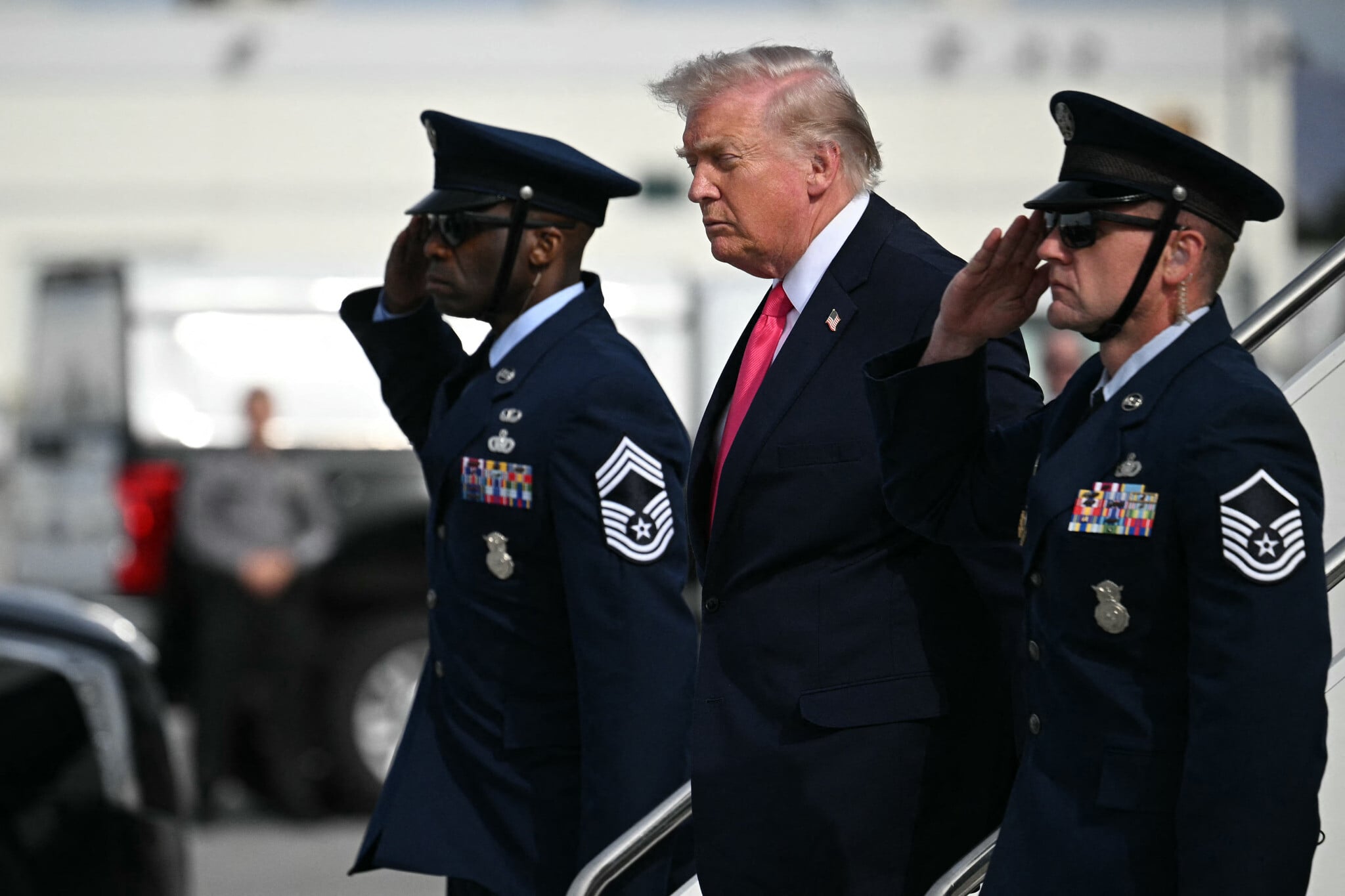
These actions prompted expanded UN Security Council sanctions, restricting key exports like coal, and strained relations with China. Despite diplomatic overtures, including historic summits between Kim Jong-Un and U.S. President Donald Trump in Singapore and P’anmunjŏm, and engagements with South Korean President Moon Jae-In, denuclearization efforts collapsed, as seen in the failed Hanoi summit in February 2019.
Recent reports from The Guardian and NBC in April 2026 confirm North Korea's continued rapid expansion of its nuclear weapons capability and ongoing missile tests.