News

Business Impact · Labor Costs · Minimum Wage · New York City
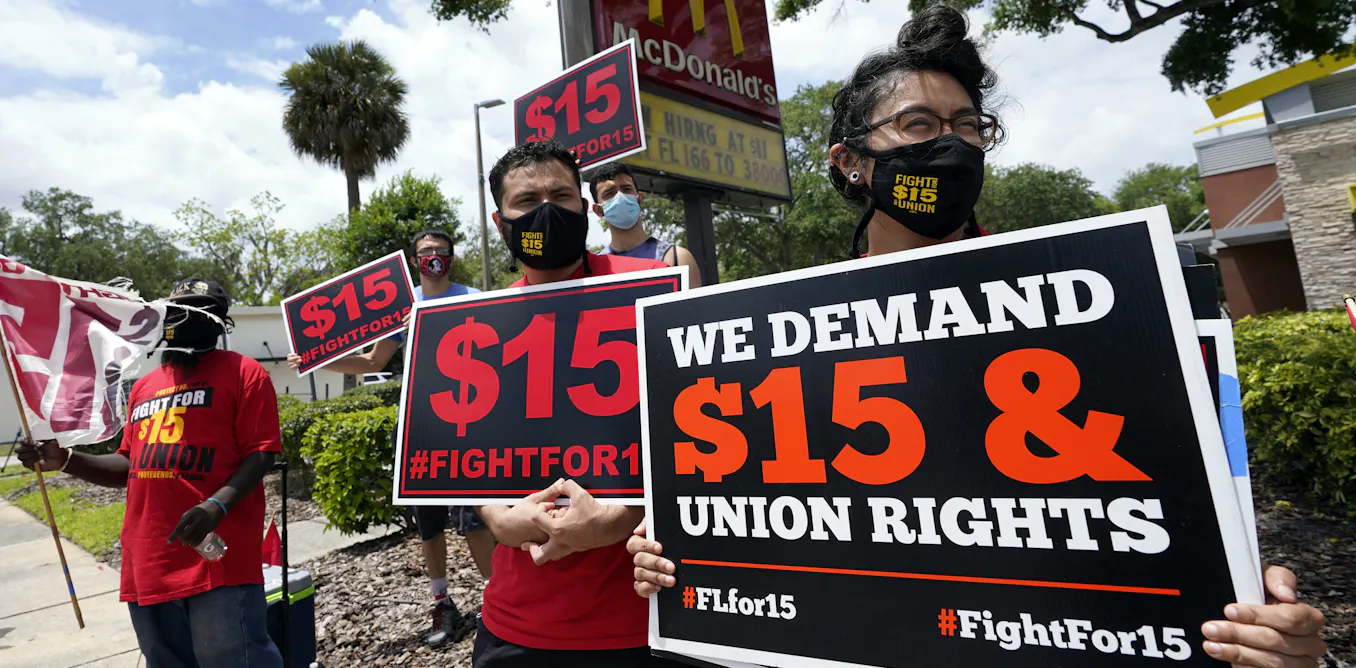
New York City is proposing a radical bill to nearly double its minimum wage from $17 to $30 per hour, a key pledge by Mayor Zohran Mamdani to combat the city's exceptionally high cost of living.
The plan outlines a phased implementation: large businesses (500+ employees) would reach $20 by 2027 and $30 by 2030, while small and mid-sized businesses (under 500 employees) would hit $21.50 by 2028 and $30 by 2032. The wage would also adjust annually for inflation and cover delivery workers. This ambitious proposal faces fierce opposition from businesses and economists.
Small businesses, which comprise over half of NYC's private sector jobs, argue such a steep hike is unaffordable, threatening closures, deepening monopolies, and limiting consumer choice. Conservative think tanks like the Heritage Foundation warn of massive labor cost shocks, pushing low-skilled workers out of the market, and ultimately increasing prices for consumers.
They cite examples like Seattle's minimum wage hike leading to increased unemployment and California's fast-food wage increase resulting in 18,000 job losses and a 14.5% rise in menu prices. The backlash is expected to escalate into large-scale legal battles, with corporate coalitions preparing preliminary injunctions citing constitutional business rights and procedural issues.
Such litigation could indefinitely suspend the policy, leaving it in limbo.