News
Aerospace · Artemis II · NASA · Space Exploration
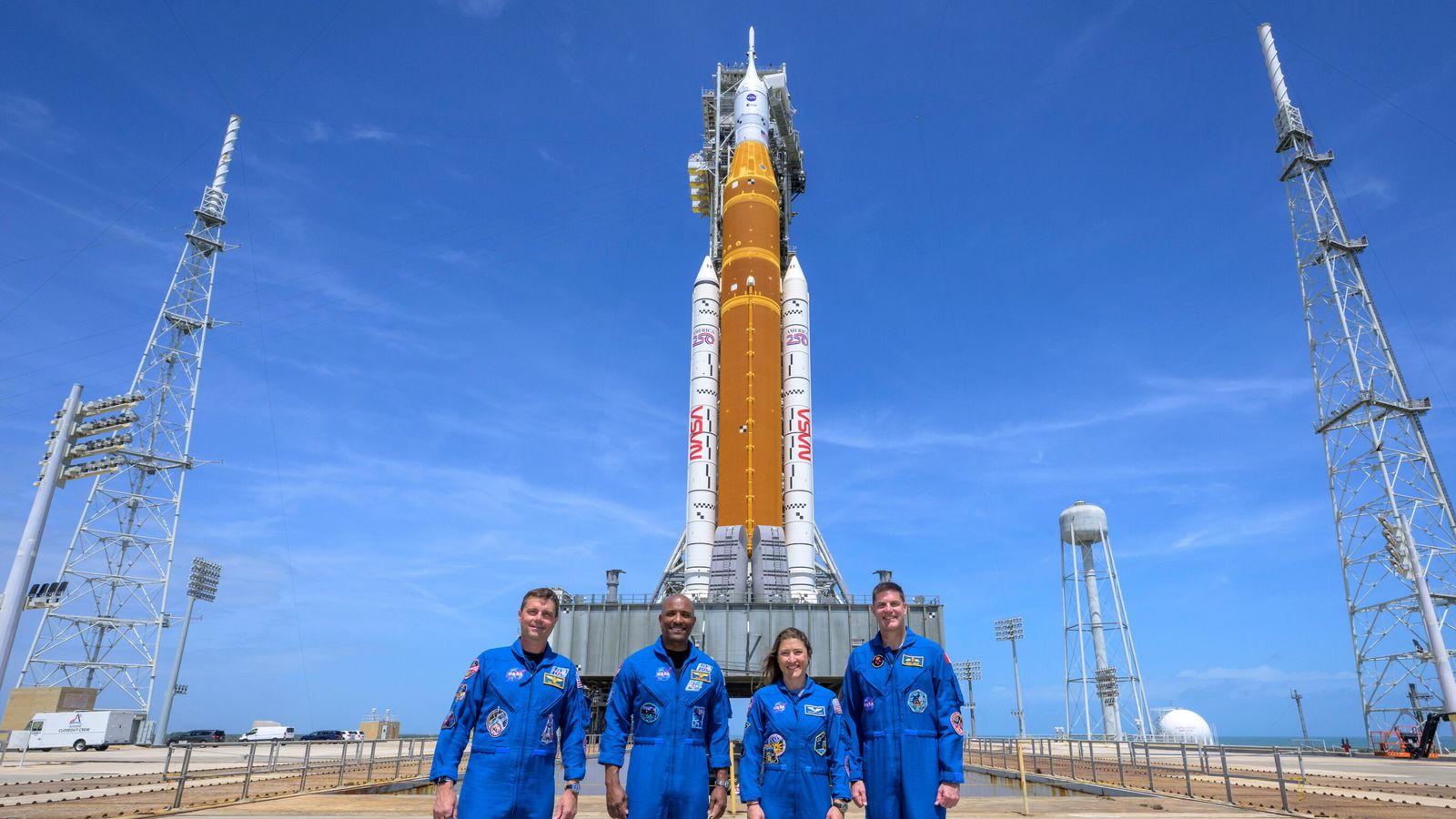
NASA's Artemis II mission, the first manned lunar flyby in over 50 years, is set for launch on Wednesday, March 31, 2026, from Kennedy Space Centre, sending four astronauts on a 10-day journey around the moon.
The mission utilizes the 32-storey Space Launch System (SLS) rocket, which is 98m tall. NASA chief flight director Emily Nelson confirmed teams and crew are "ready to go" following a liquid hydrogen leak that delayed a February practice launch.
This mission follows the uncrewed Artemis I in November 2022 and precedes Artemis III, which aims for a moon landing. The broader Artemis program seeks to establish a lunar base camp and eventually facilitate human travel to Mars.
The crew includes NASA astronauts Reid Wiseman, Victor Glover, and Christina Koch, alongside Canadian Space Agency's Jeremy Hansen. Europe, including the UK, contributes significantly, with British astronaut Major Tim Peake highlighting the European service module's role in powering the Orion spacecraft.
NASA has a launch window through the first six days of April before a stand-down until month-end.